Palacios · Gulf Coast
A Town Is a Team Sport
The supporting cast behind a place that works.
By Clayton Hollingsworth
I went looking for a story about philanthropy in Palacios and found a library ramp.
More precisely, I found a thank-you letter. In the October 3, 1985, *Palacios Beacon*, library president Bob Herlin credited Mary Eggemeyer and the local Palacios Area Fund committee with a challenge grant that helped launch an auction. He thanked 78 donors, the organizing committee, bidders, and the people working concessions. The fundraiser had exceeded its goal for ramps; the surplus would help buy a microfilm reader and printer.
There, in the newspaper’s letters column, was a whole little diagram of how something gets done. Someone recognizes a barrier. Someone puts up the first money. Other people organize, contribute, show up, and keep track of what happens next. The thank-you note makes their work visible.
I can admire a handsome building as much as the next person. I’m increasingly interested in whether people can get inside it—and who notices when they can’t.
The Palacios Area Fund began in 1981 with contributions from the Trull and Herlin families. Today, Communities Foundation of Texas describes a local fund whose work includes grants, help developing proposals, scholarships, medical assistance, and public facilities. Its reach is a reminder that community life refuses to fit neatly into a single fundraising category.
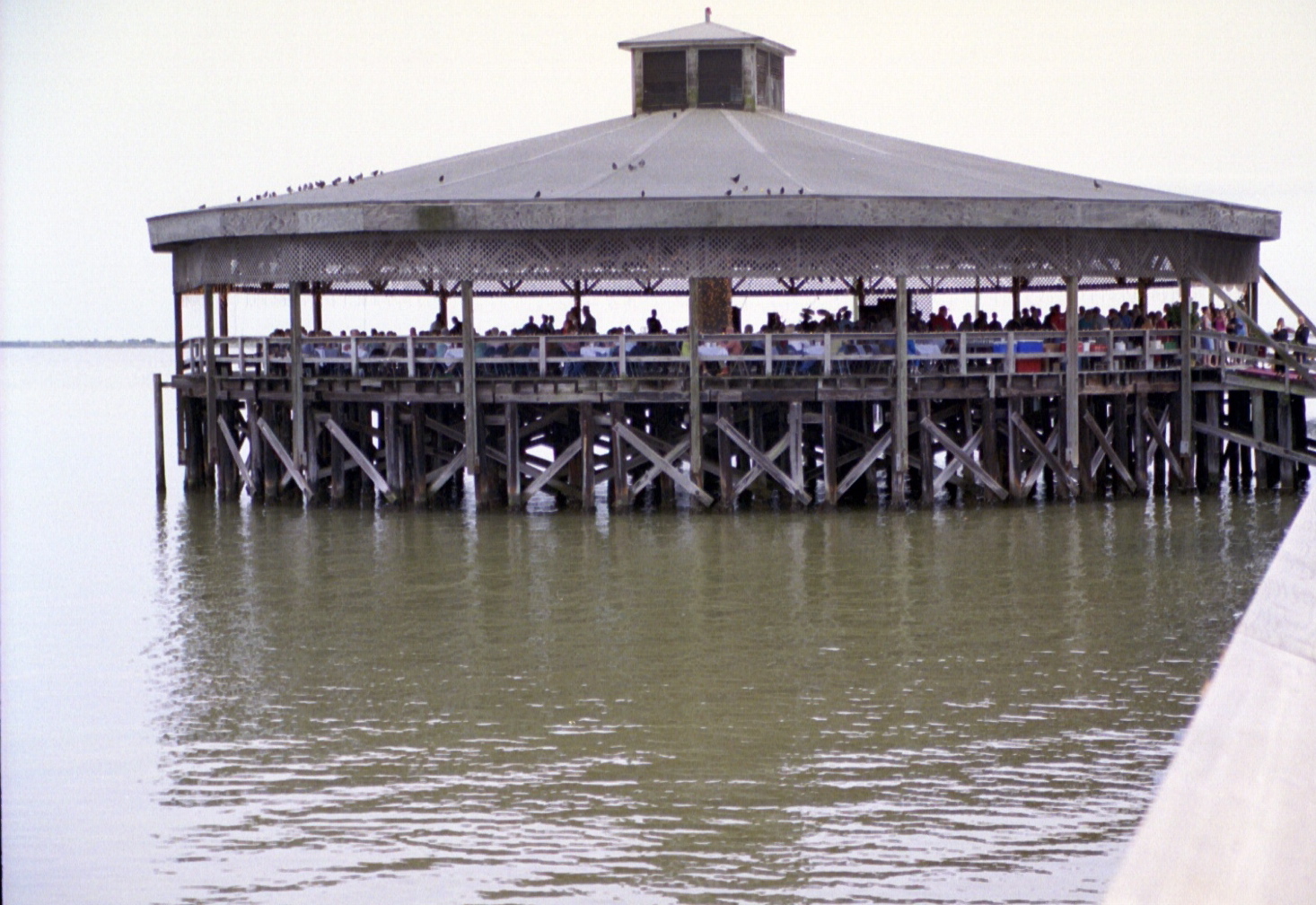
In its September 2024 history, CFT identifies support for the Palacios Library, volunteer fire department, City by the Sea Museum, and a rural health clinic, among other projects. It also describes work around storm preparation and relief, cultural festivals, and the bayfront pavilion.
Health, safety, learning, pleasure, memory. Those belong together when you are trying to make a life somewhere.
That is part of what I want The Giving Fields to notice. A place can have a beautiful view and still need a functioning institution. It can celebrate its history while making room for people whose families arrived last month. It can take pride in doing things for itself while admitting that useful help sometimes comes from somewhere else.
The public descriptions of the Palacios fund make another kind of work visible: helping organizations find funding and prepare proposals. I want to know what that assistance looks like on an ordinary working day. How much time does it save? What might otherwise never get submitted? Which worthwhile idea needs help becoming something somebody can actually fund?
Those are reporting questions. An appealing mission statement cannot answer them, and I don’t want to pretend it can. I would like to hear from the person making the application, the person weighing it, and the neighbor who experiences the result.
The same goes for the word “community.” It sounds comfortably unanimous until a real decision arrives. Who gets invited into the conversation? How do priorities change? What happens when a donor’s favorite project differs from what residents say they need? A useful story has room for those questions alongside the gratitude.
I don’t want to make rural Texas carry another sentimental assignment. People deserve to be interesting without becoming symbols of a simpler time. A young person may want to leave, stay, return, or reserve judgment until after graduation. An older resident may care more about a dependable service than a visitor’s admiration for local character. The reporting should leave space for them to tell us.
Palacios offers a starting point, not a finished verdict. The next step is to understand one current project closely: its people, actual costs, decisions, difficulties, and results. Then we can connect readers with a specific, verified way to participate, whether that involves money, time, or a useful skill.
The old library letter stays with me because it remembers the supporting cast. Fundraising can make the final number sound like the entire story. Herlin’s account leaves us with the people whose combined work made a practical improvement possible.
That is the kind of attention I want to bring to The Giving Fields. The open door matters. So do the people who made it easier to reach.
Sources & further reading
Public materials reviewed October 13, 2026.