In the Fields / feature
West Texas Food Bank
The Long Road to the Dinner Table
Across an enormous West Texas service area, fighting hunger means building the distribution system that makes a local meal possible.
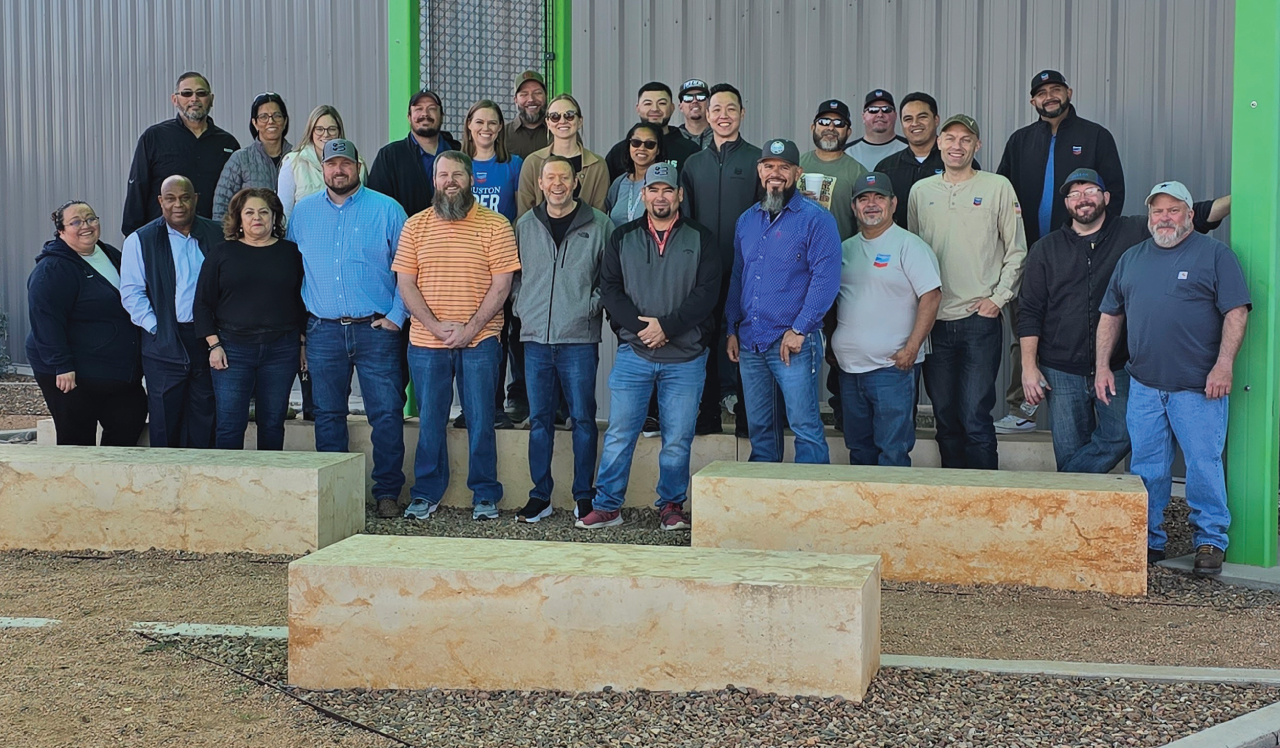
The work, made visible
From the warehouse to the table.
A regional food network depends on volume, local partners and a reach measured in counties.
FY ended September 30, 2024
14.2Mpounds of food distributed
Approximately 14.2 million pounds distributed to agencies and individuals. Food volume, not a count of meals or people.
West Texas Food Bank FY2024 Form 990, Part IIIFY ended September 30, 2024
100+community partner agencies
Reported network of more than 100 agencies including pantries, kitchens, churches, shelters and other community organizations.
West Texas Food Bank FY2024 Form 990, Part IIIFY ended September 30, 2024
19West Texas counties served
Geographic service area, not an outcome measure.
West Texas Food Bank FY2024 Form 990, Part IIIHow the work connects
Gather the food
Food is sourced and handled through the food bank’s distribution system.
Connect locally
Partner organizations provide familiar routes into communities.
Reach the table
Food reaches agencies and individuals across the service area.
All three measures are reported in the Form 990 for the year ended September 30, 2024. Pounds measure food volume, not meals or unique people.
How to read these numbers
These figures describe the organization’s reported activity or service reach. Each keeps its own reporting period and definition. They are not a ranking, a count of identical outcomes, or a promise of what a particular gift will buy.
The Short Version
A regional food distribution network connecting children, families and older adults in 19 West Texas counties with food and nutrition resources.
Distance is part of the mission
A food donation has to travel before it becomes dinner. In West Texas, that journey can be an especially important part of the charitable work. The West Texas Food Bank serves 19 counties across approximately 34,000 square miles, including Brewster and Pecos. A regional operation has to connect that large geography with the much smaller geography of a household kitchen.
Founded in Odessa in 1985, the organization describes its central role as a distribution center. Food arrives through donations, surplus supplies and purchases. It must be inspected, stored and prepared for distribution before partner agencies help move it into communities. Odessa houses the central operation, while Midland provides a Volunteer and Education Center. Giving here supports the practical capacity that allows many local points of assistance to function.
When the school week ends
The Food 2 Kids umbrella brings together several approaches to a problem that changes with a child's age and calendar. The organization's published programs include infant formula assistance, weekend backpacks, school pantries, Kids Café and summer feeding. That range matters: an elementary student's Friday afternoon and a teenager's household grocery needs require different arrangements.
In the backpack program, school staff identify students showing signs of hunger. Children receive ready-to-eat food to take home for the weekend. The food bank says it purchases the contents to keep the packages consistent. The philanthropic question extends beyond whether food is available somewhere in town. It is whether a child can get food at the moment school meals are unavailable, in a form the household can use.
The costs behind the box
The senior programs make another part of the operating model visible. The food bank lists a Senior Client Choice Pantry and a Commodity Supplemental Food Program, also called the Senior Box Program. Its program description explains that reimbursement for food does not eliminate the costs of boxes, fuel and personnel.
For a donor, that distinction is useful. Food in a warehouse is an input; a household receiving it is the intended result. The intervening work requires people and equipment. A gift that helps pay for distribution can be closely connected to the mission even when it does not purchase a particular item on a grocery list. It is worth asking the organization which part of that chain most needs support now.
Making food useful
The food bank also describes nutrition education and gardening activities at its Midland and Odessa facilities. Its published materials connect cooking demonstrations, shopping on a limited budget and meal planning with gardens and greenhouses. The emphasis adds a practical dimension to food access: ingredients have greater value when people have the information and confidence to prepare them.
These programs create several possible entry points for community participation. A volunteer can help with the physical handling of food; another supporter may be drawn to education or gardening. Organizations considering a group project should ask about current needs and scheduling. The most useful service opportunity is the one that fits the food bank's actual workload.
A place to begin
Chief Executive Officer Libby Stephens leads the organization. Its leadership roster also identifies Kelly Boydstun as Director of Impact and Strategy, with grantwriting and fundraising responsibilities, and Martha Carrasco as Director of Community Involvement and Events. Supporters interested in a partnership, group service project or designated gift can reach the organization through its public contact form or Odessa office.
The official donation page offers general and tribute gifts. For anyone considering a substantial or designated contribution, a conversation about current priorities can connect a broad concern about hunger with a specific operational need. West Texas Food Bank's distinctive contribution is its regional reach: the shared system that helps a local act of generosity arrive where it is needed.
The people behind the work
Leadership & contacts
Select a person’s card to open their official leadership page. Public roles and contact routes reviewed 2026-10-12.
Libby Stephens
Chief Executive Officer
Open leadership sourceKelly Boydstun
Director of Impact and Strategy
Open leadership sourceMartha Carrasco
Director of Community Involvement and Events
Open leadership sourceConnect with the organization
432-580-6333Contact the organization ↗Use the organization’s public contact route for profile inquiries, partnerships and introductions.
More than one way in
Bring what you can.
Stock the shelves
The published food-drive request includes breakfast foods, protein staples, easy-open canned foods and family essentials. Coordinate a collection with the food bank.
standing in-kind request · checked 2026-10-13 · SourceParticipation routes checked October 13, 2026. Contact the organization for current availability and requirements.
Where the work reaches
Complete 19-county service area published by the Feeding Texas network. Pantry schedules and eligibility vary.
Andrews, Borden, Brewster, Crane, Dawson, Ector, Glasscock, Howard, Jeff Davis, Loving, Martin, Midland, Pecos, Presidio, Reeves, Terrell, Upton, Ward, Winkler counties.
Check the organization’s geography ↗Put generosity within reach
Give directly.
Stay connected.
Official giving page with general and tribute donation options.
Give to West Texas Food Bank ↗Your gift is handled by the receiving organization. UNSUPERVISED* does not process it or take a percentage.Go to the source
Read further.
Organization-published sources, reviewed 2026-10-12.