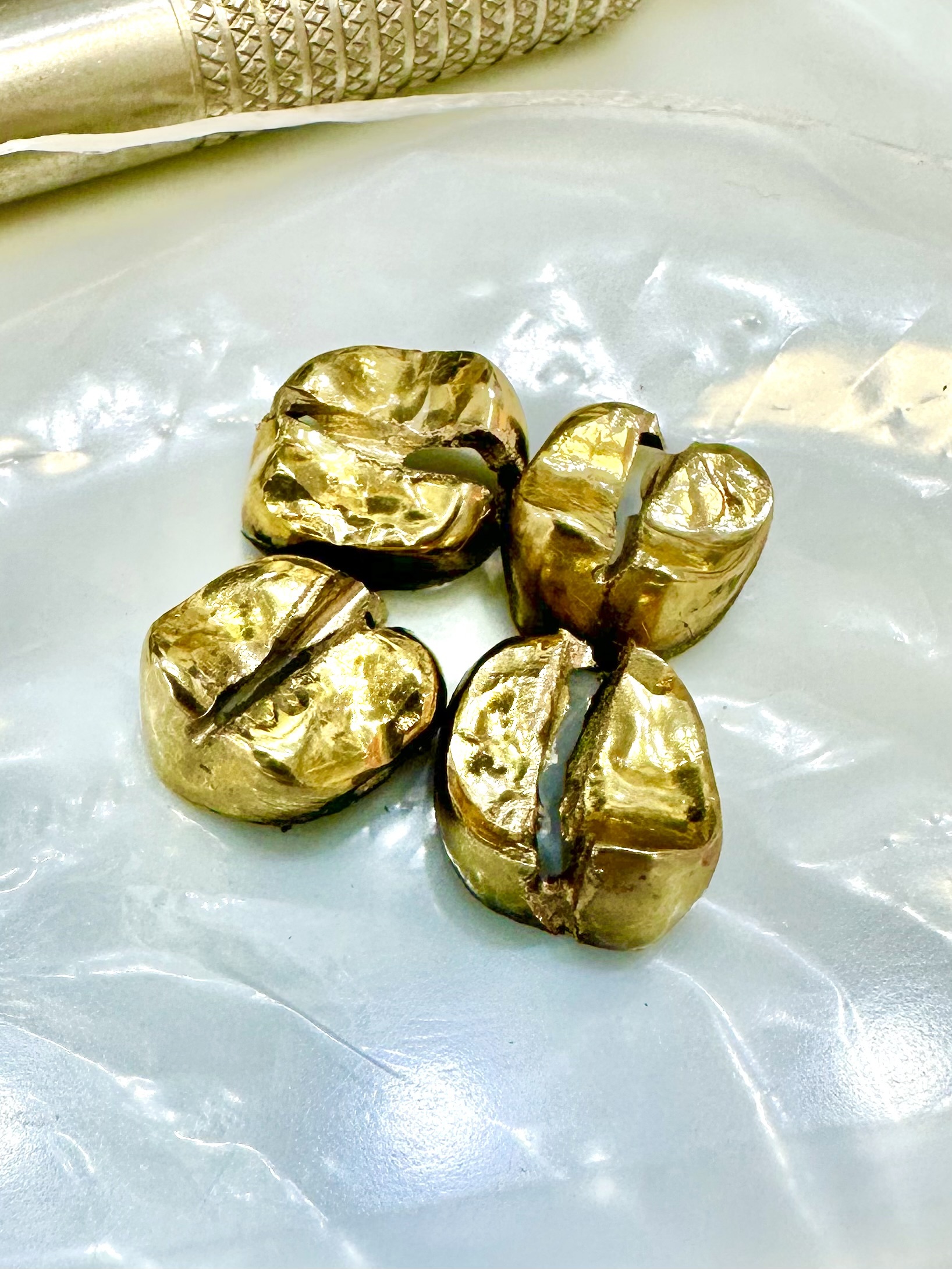
There are weeks when life communicates through metaphor. Then there are weeks when the dentist hands you four pieces of your former mouth in a plastic bag.
I had dental work done and, thankfully, the gold crowns came out. This was excellent news for my smile and a surprisingly complicated development for my estate planning.
I am now the custodian of four tiny monuments to previous dental decisions. Together they weigh exactly 13.8 grams. They may be worth enough to offset part of the bill. They may be worth enough for a respectable dinner. Either way, this is the first time a medical procedure has concluded with something that looked remotely liquid.
At forty-three, even my old dental work has entered the secondary market.
The timing felt appropriate. The week had already been about deciding what travels forward, what stays behind and what acquires value simply because we managed not to lose it.
But the market value was never really the point. Gold is easy to weigh. The past is not. We can carry an old injury, an old disappointment or an old version of ourselves for years simply because it has been with us long enough to feel like part of the structure.
My old boss used to say, “Let Go. Let God.” At the time, I heard it as one of those suspiciously tidy instructions people offer when they have already survived the thing you are still trying to understand. I hear it differently now. Letting go is not pretending the past did not happen, and it is not declaring that what hurt us did not matter. It is deciding that the past has already taken enough.
This week my daughter Perry Kate moved into a dorm room, my second-great-grandmother Della Mae Ferguson’s clock kept its place in the family, and four obsolete pieces of dentistry left mine. The lesson is not that everything old should be discarded. Some things deserve preservation. Some deserve an honest appraisal. And some can be thanked for their service, placed gently on the counter and released.


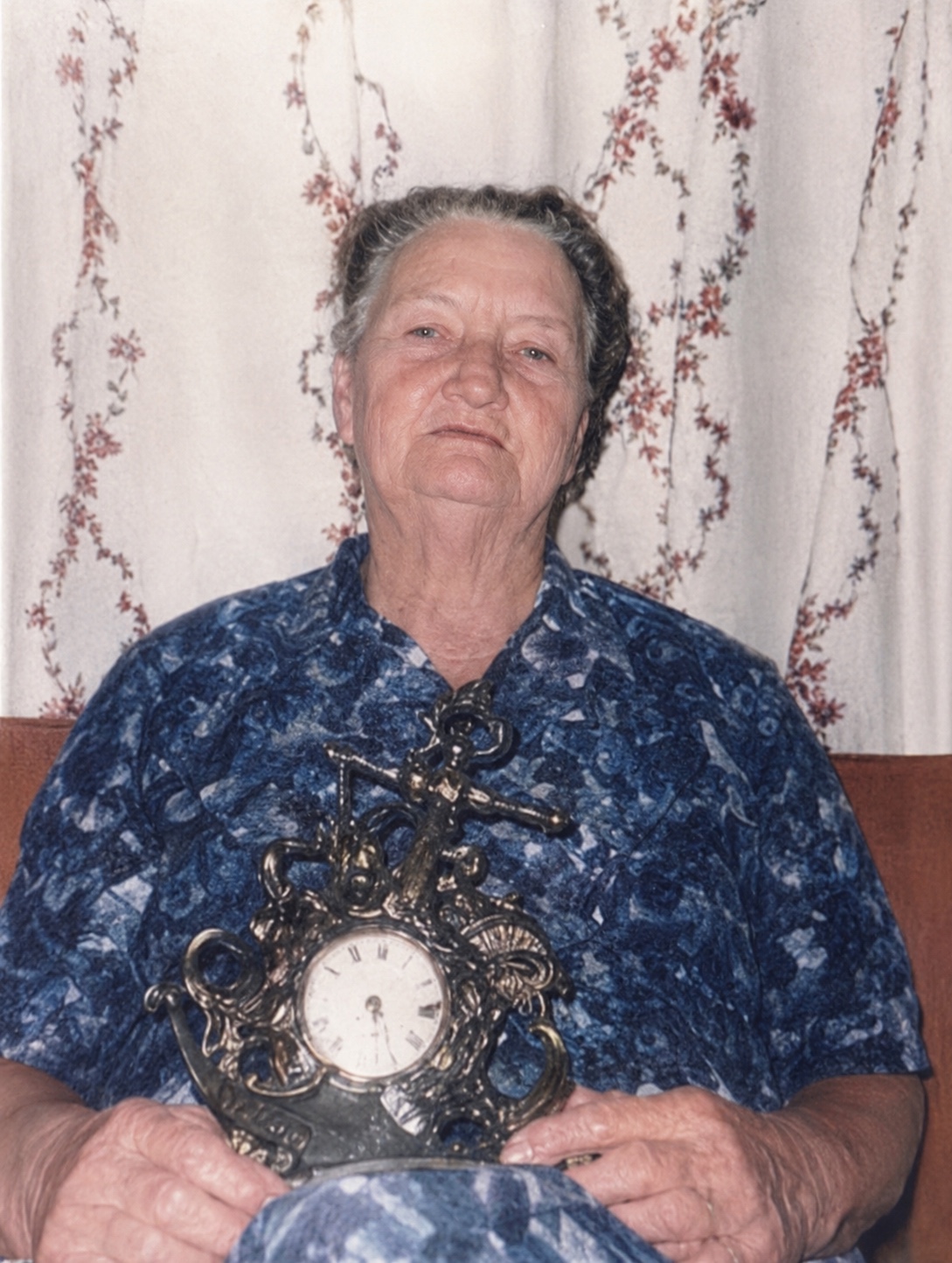 Identification recorded according to family memory.