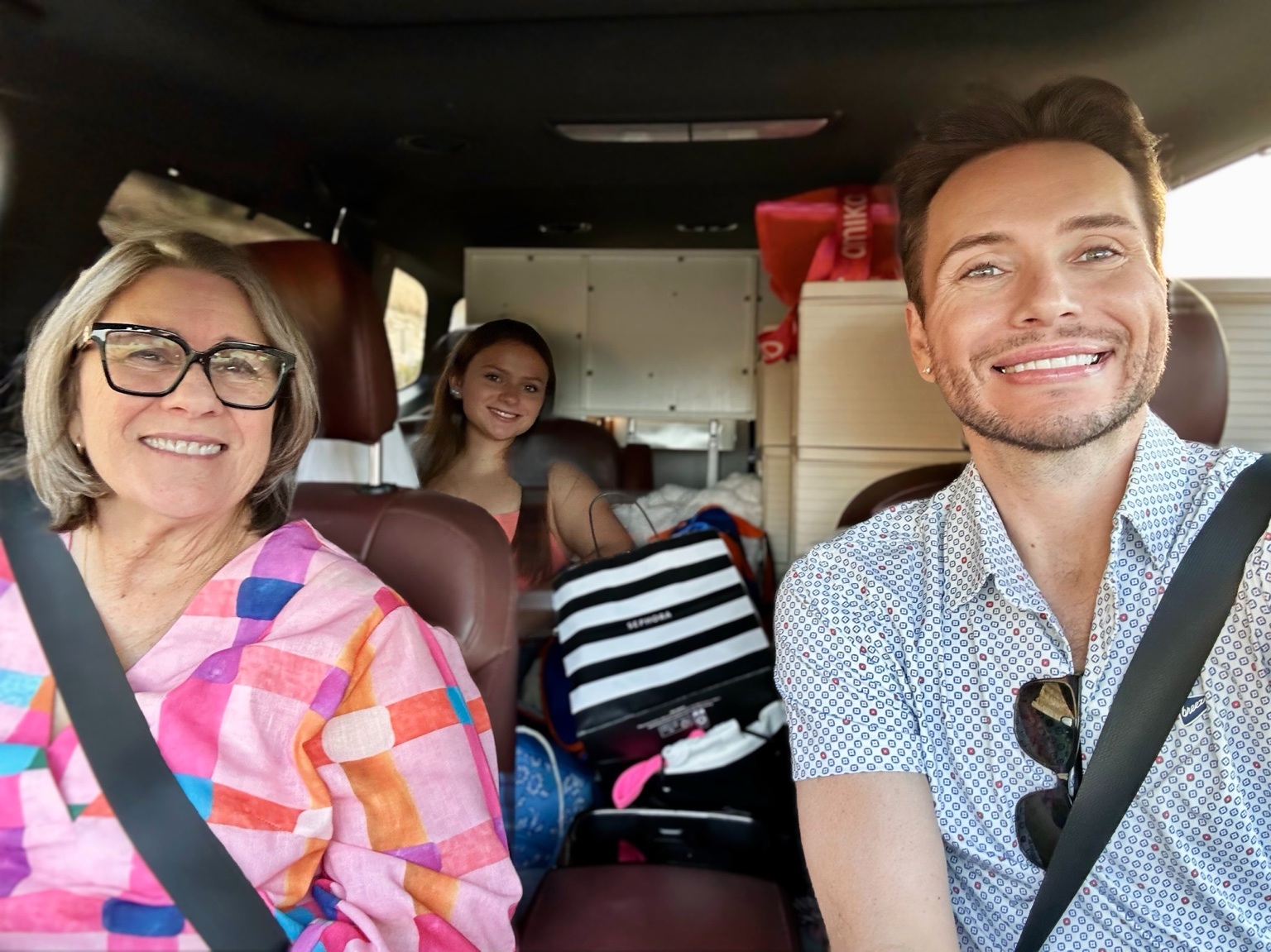
The car was packed before I was ready.
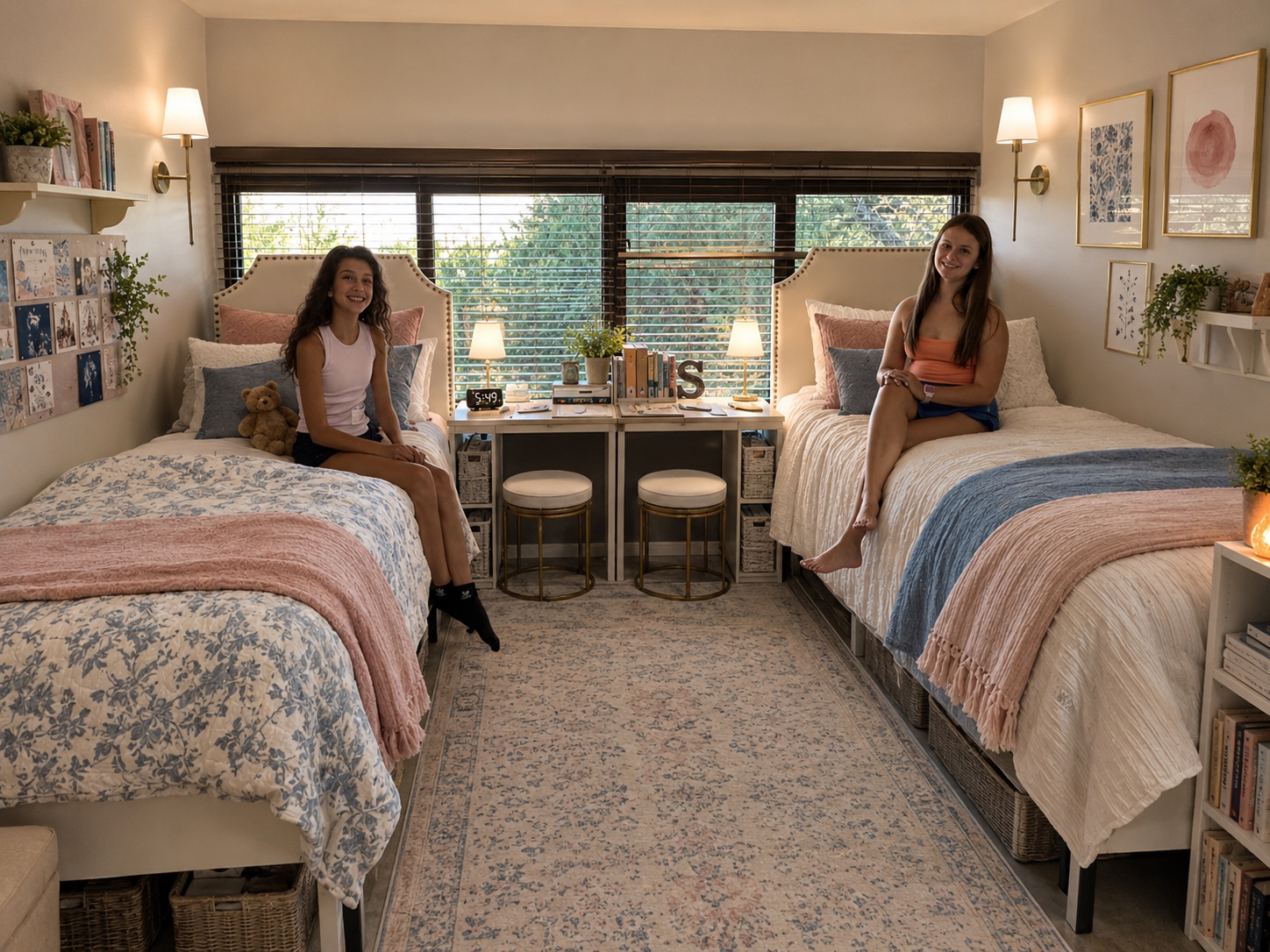
This is not a metaphor. It was an SUV with my daughter Perry Kate, my mother—whom Perry Kate calls Gigi—and me, plus enough dorm-room organization to establish a small consulate. Every useful object had been labeled, folded, purchased, charged or wedged behind a seat.
The emotional preparation remained incomplete.
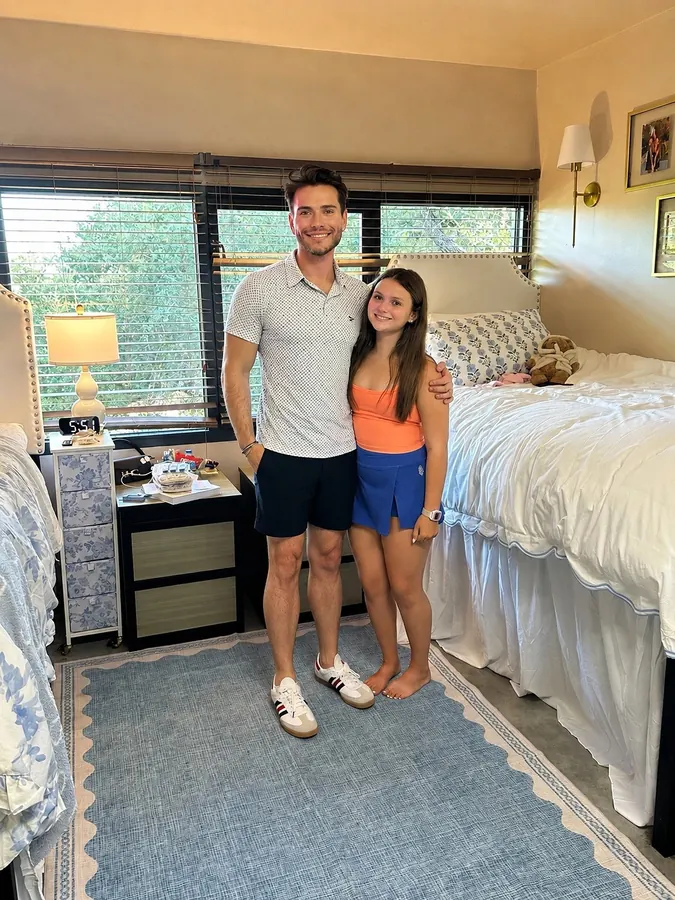
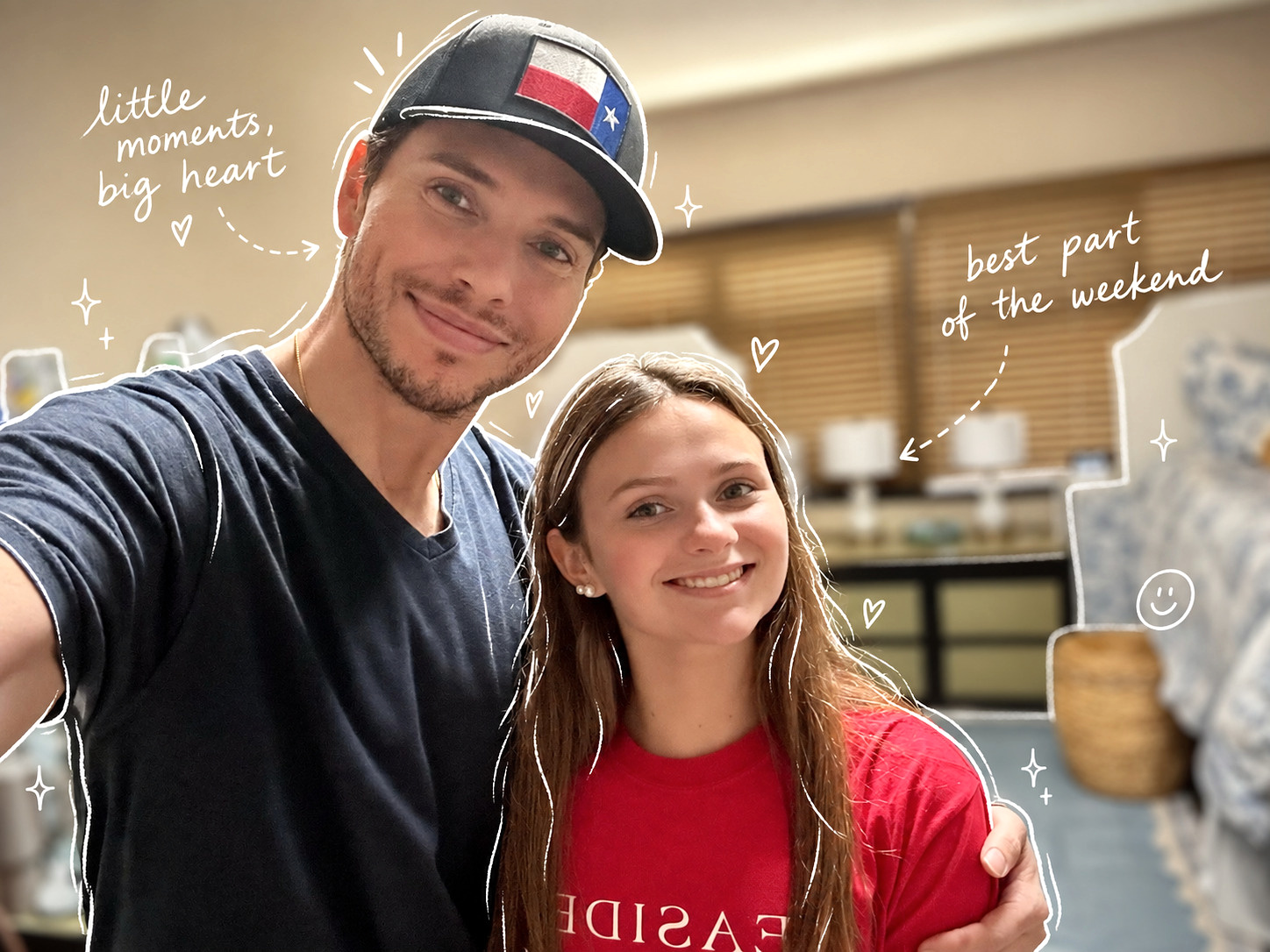
Moving a child into boarding school is a peculiar family performance. Everyone is excited, proud, efficient and trying not to become the person who makes the room feel smaller by refusing to leave it. We assembled, arranged, adjusted and admired. Then came the moment when helping became hovering.
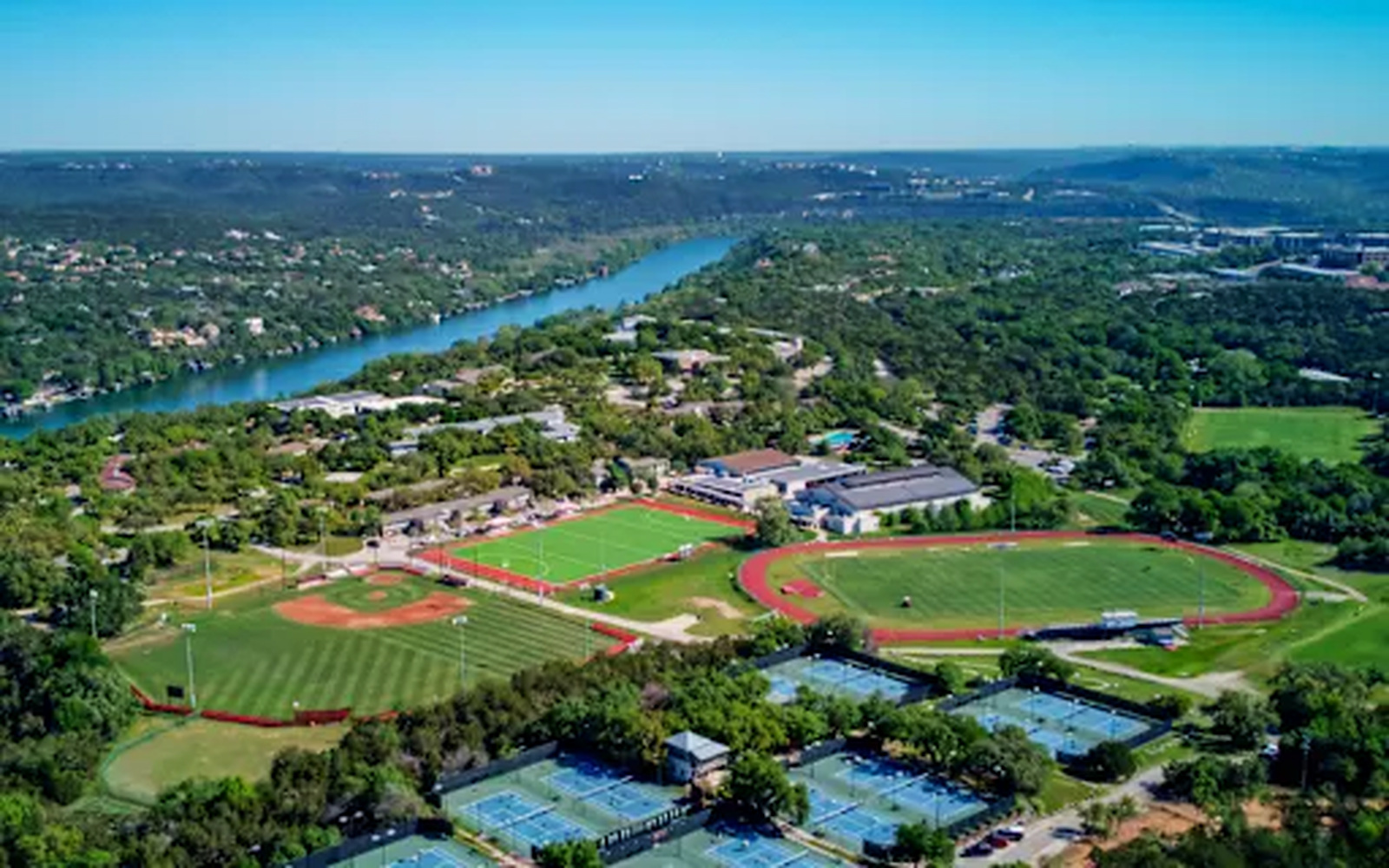
Perry Kate was not simply leaving home. She was stepping into the extraordinary opportunity to learn, live and play tennis at St. Stephen’s Episcopal School in Austin. Pride made the goodbye easier to understand. It did not make it easier to perform.
Fatherhood had been built from visible work: breakfast, transportation, reminders, equipment, schedules and knowing which tone of silence meant something was wrong. Boarding school did not end that work. It converted it into attention at a distance—and required me to learn the difference between being available and being everywhere.
The drive home had less cargo and more weather. Three generations arrived; two drove away. There was grief in that arithmetic, but also evidence of a family doing exactly what families are supposed to do: carry one another to the next threshold, then trust the person we carried to walk through it.
You leave the dorm room. You resist one more instruction. You remain a father without demanding constant proof that fatherhood is still happening.