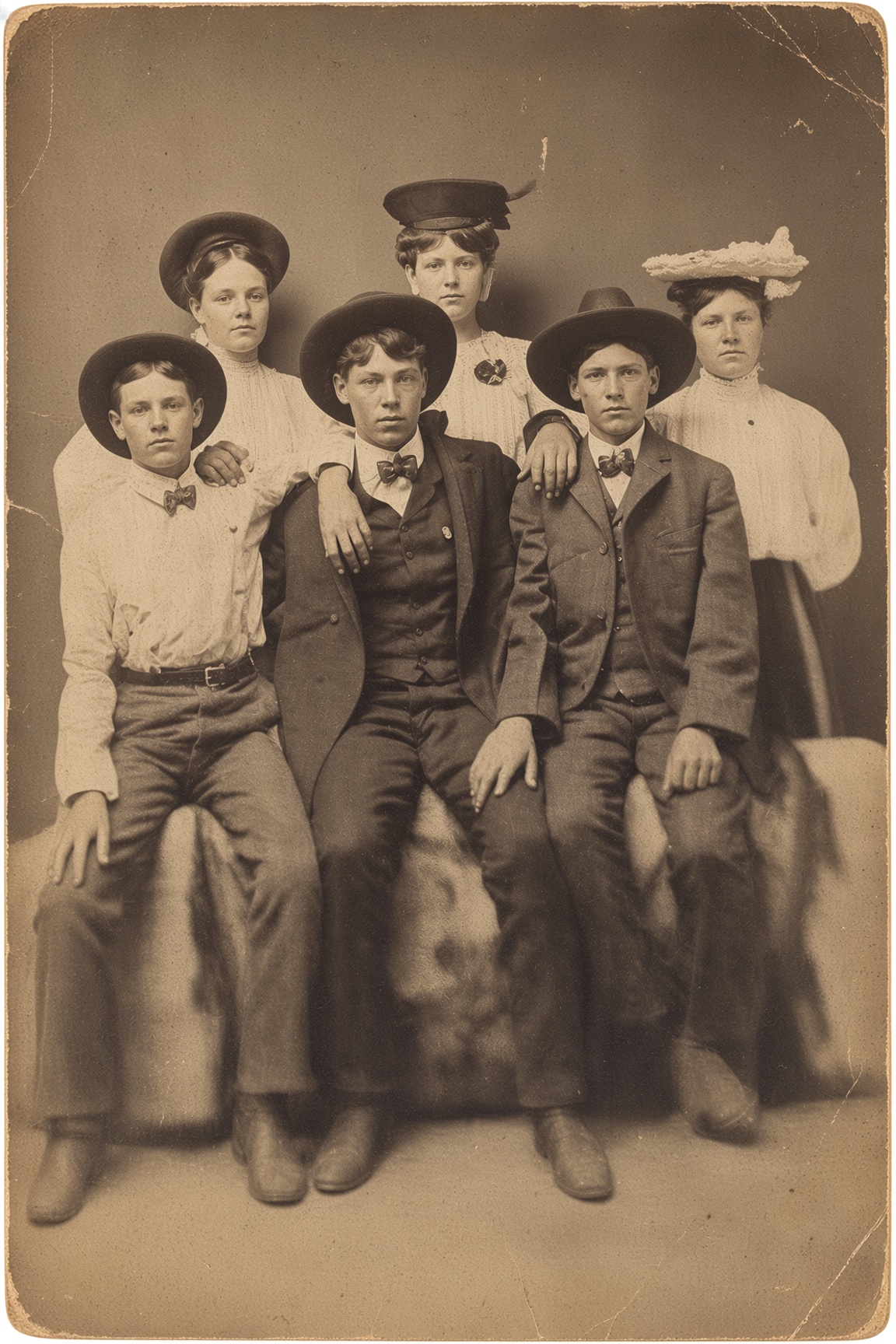
A family photograph is not proof of every story told about it. It is proof that, for one fraction of a second, these people stood here.
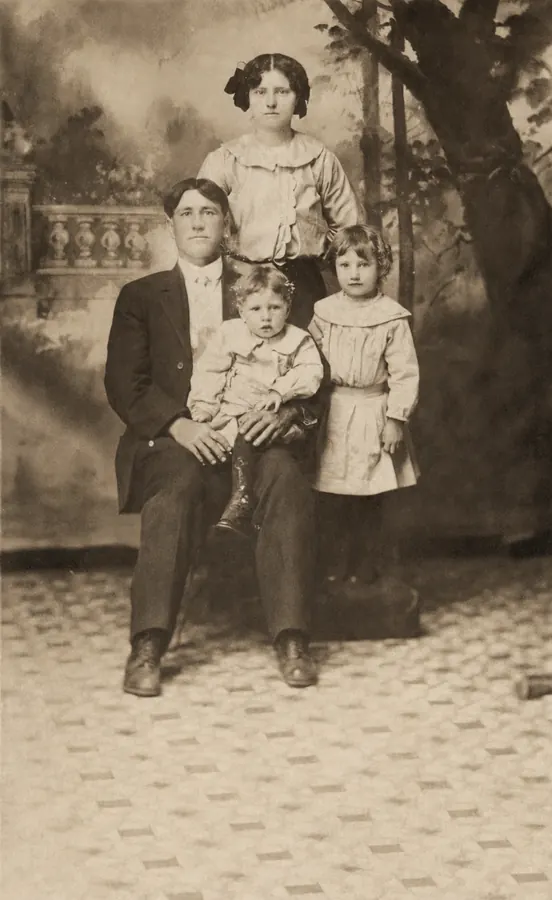
This week I found myself looking again at six young people in a Ferguson family photograph, probably made in Haskell County around 1905. Family notes place my second-great-grandmother Della Mae Ferguson in the group with her sisters Mary and Nora, two brothers and a cousin. The names matter. So does the word probably.
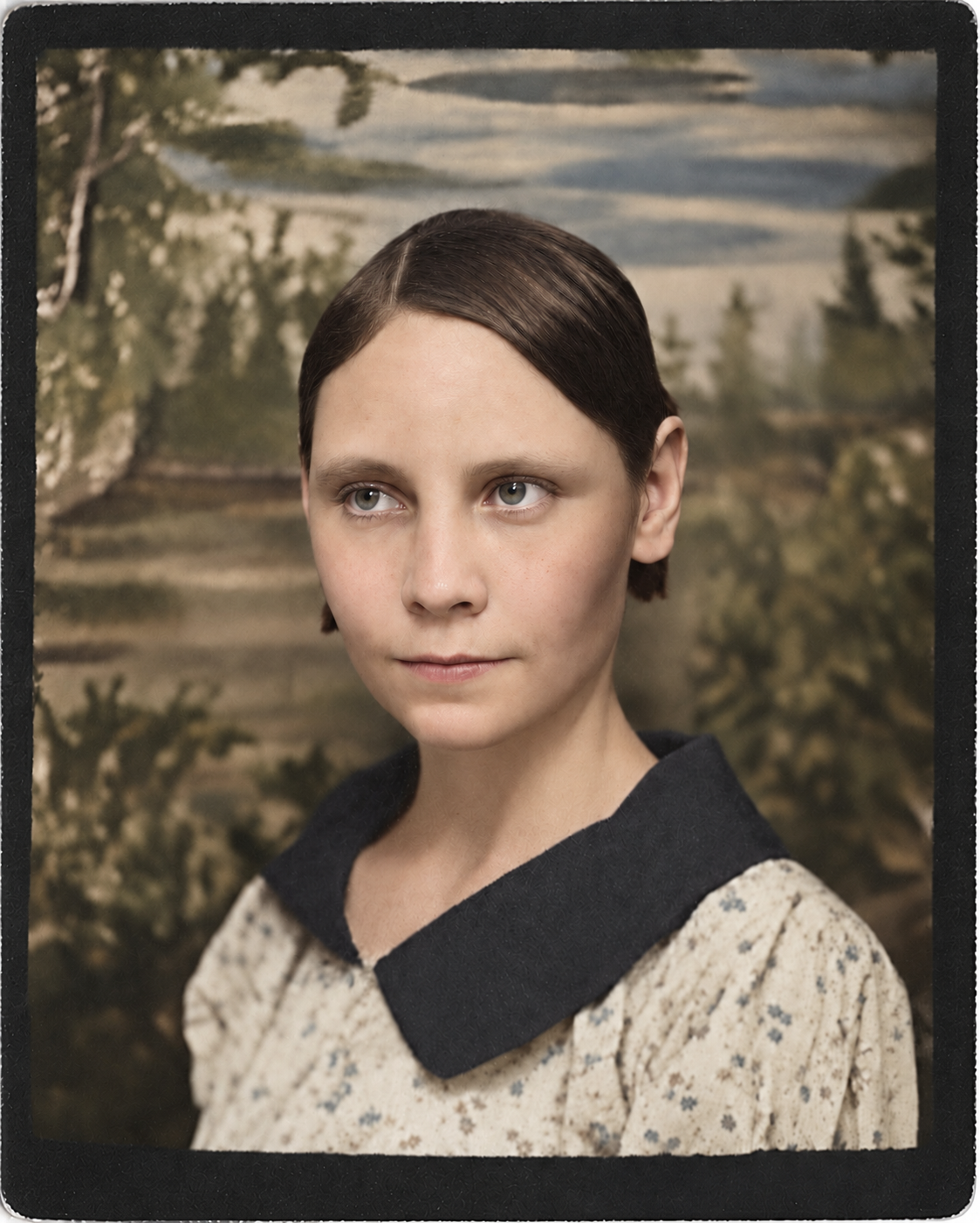
Restoration can reveal a face, repair a torn edge, recover tonal detail and return dignity to an image nearly erased by time. It can also tempt us to improve the past until it becomes something the camera never saw. A sharper jaw arrives. A dress acquires decoration. A tired child becomes strangely luminous. Soon we have not restored the evidence; we have auditioned new ancestors.
That temptation is especially dangerous in family history because a polished image feels authoritative. The eye trusts the clean surface. But confidence in the pixels is not confidence in the identification. A restored face may be easier to study while the name beneath it remains family memory rather than documentary proof.
My rule is simple: remove damage, not history. Preserve the original. Label the derivative. Record what is known, what is believed and what remains uncertain. A restoration may correct fading, scratches, stains and contrast. It may not redesign a face, replace a hand, invent clothing or move six people into a prettier arrangement.
The faithful version of this photograph still carries its old border, uneven tonal field and surviving marks. Those are not presentation failures. They are part of the object’s history. The faces, postures and spacing remain where the camera placed them, because documentary integrity matters more than the seduction of a flawless result.
There is also a lesson here about the family tree itself. I descend directly from Della Mae through my great-grandfather Edgar “Tex” Hollingsworth, my paternal grandfather Billy Joe Hollingsworth Sr., and my father Perry Wayne Hollingsworth. Her sisters and brothers belong in the record because they help establish her world; they do not need to become equal tags on every story. Connection is not the same thing as editorial focus.
As a father, I recognize the larger moral problem. Perry Kate should be free to revise the stories she inherits when better evidence appears. My job is not to hand her a polished legend and demand loyalty to it. My job is to preserve enough truth, context and uncertainty that she can make an honest judgment of her own.
History asks for the same discipline. Intelligent skepticism is not cynicism. It is respect for the people who actually lived, whose lives were more complicated than our captions and whose faces should not be altered merely because software can make them more agreeable to us.
The photograph therefore teaches a practical kind of humility: look closely, keep the original, write down who told you the names, date the image with a defensible circa, and leave room for correction. The blank space is not a failure. Sometimes it is the most honest thing in the archive.
Accuracy does not make a story cold. It gives the real people room to remain complicated.