Recovered / A longer memory
26 October 2026 · 6 minute read
I Want to Know
the Leaves.
A family tree gives me a place to begin. I want to know the people who lived between the names and dates.
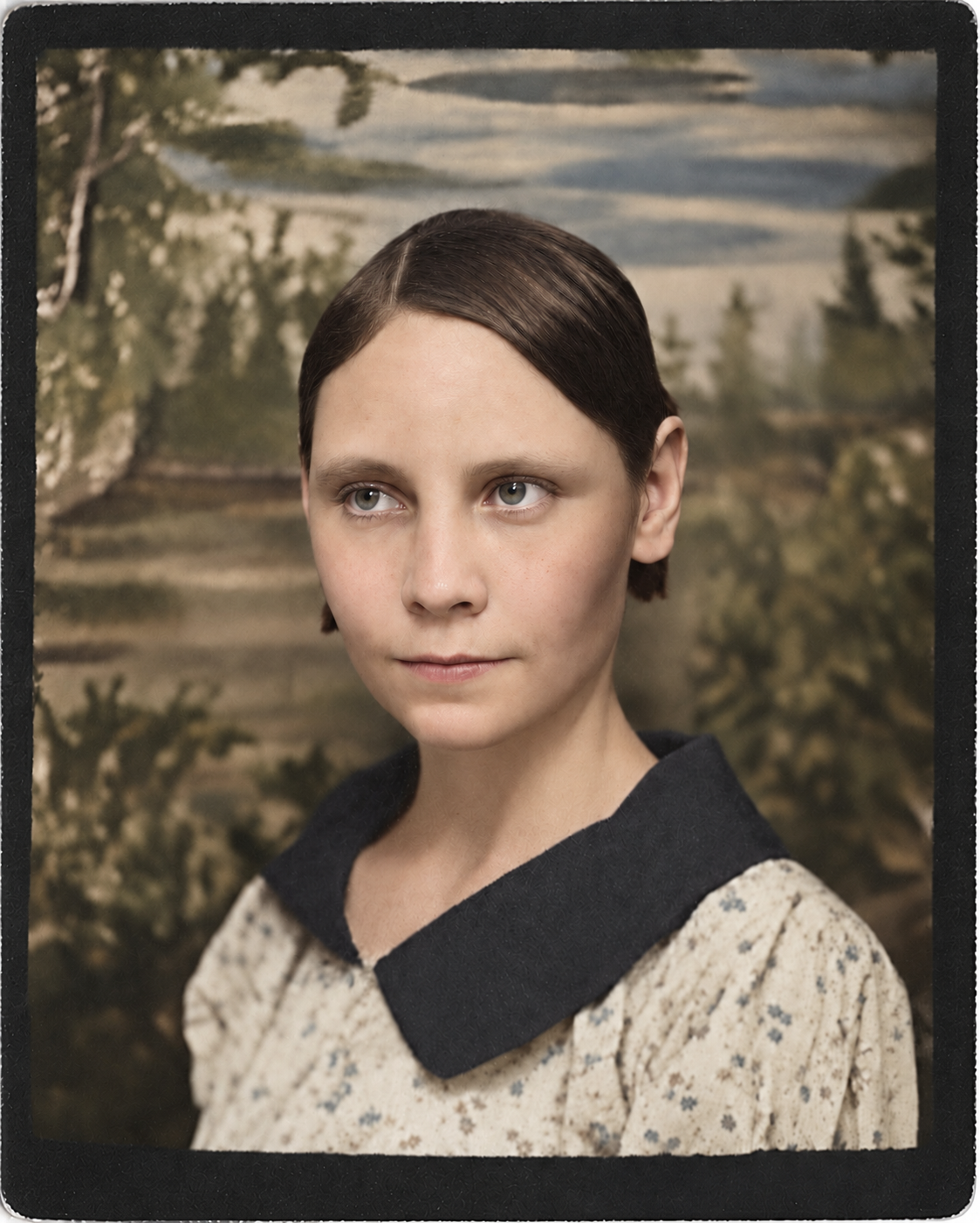
My great-grandmother deserves better than a name on a family tree. So does yours.
I get an unreasonable amount of satisfaction from studying my ancestors. Give me an old photograph, a half-remembered name and a question nobody has quite answered, and I can stay occupied for a while. The best part comes when a person begins to emerge from the paperwork. Someone who had been a date and a relationship starts to feel like somebody I might have known.
Now, don’t get me wrong, a decent filter can do a body good. I’m guilty. But when I’m working with history, I have a duty to be faithful to reality, even when that reality is inconvenient.
That is what keeps me at it. I want to understand where I came from, including the people who were gone long before anyone I knew could remember them.
A family tree gives me a place to begin. Lately, though, I’ve become much more interested in the leaves. What nourished these people? What made them happy? Who made them laugh? What did they hope would happen, and what did they do when it didn’t?
I may never find all of those answers. I still think they are worth asking.
Between the entries.
My great-grandmother Tennie Lee Smith Anderson helped give this project its purpose. The thought of her being forgotten stayed with me. I wanted to know more about her, and following her life meant learning about the people who came before her, too.
The family papers I’m working through place her grandmother Mary E. Cope’s death in 1888, when Mary was about twenty-four. Mary’s daughter Jessie was still a little girl. Jessie later became Tennie’s mother. That gives me a line of descent, but it also leaves me with a young woman whose life ended early and a child who would have grown up with very little time to remember her.
I can establish a relationship and keep looking for evidence. I cannot turn a few entries into a complete account of what either of them felt. That gap matters to me. It is one of the reasons I keep searching.
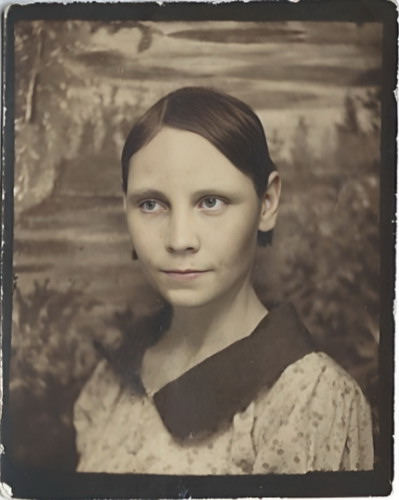
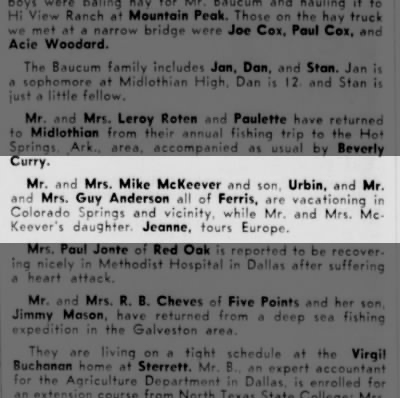
So much of what I find about the women in my family comes through someone else: a husband, a father, a child. I want to give them room in their own stories. I’d like to know what interested them when nobody needed anything from them. Who were they allowed to become? What did they manage to make of the choices they had?
To me, this is the next step in genealogy. We have become very good at connecting names. I want to spend more time understanding the human beings attached to them. They lived years, sometimes centuries, away from us, but they still had to get through a day. I can recognize something of myself in that without pretending their world was the same as mine.
The satisfaction I get from this work is difficult to explain until a small discovery catches you off guard. A photograph begins to make sense. A place acquires a connection. Someone you had scarcely thought about becomes a person you want to defend against being forgotten. I’m sharing what I learn because I hope a little of that curiosity catches on. There may be somebody in your family waiting for you to ask a better question.
The family behind Together Again
Three lives I’m still learning about.
Swipe through the portraits →
 Jessie Quenile WalkerTennie Lee Smith Anderson
 Billy Guy Anderson
Faithful to the person.
HIM, Historical Intelligence Machine, grew out of thirty years of trying my best to restore photographs faithfully to known likenesses. I developed it to bring that work together with historical research, visual storytelling and careful preservation. I want the person to remain recognizable, with the evidence behind the story kept intact.
Working on these photographs has also given me a vocabulary I didn’t expect to need. Identity drift is what happens when a face begins to wander away from the person in the source. Cumulative artifacts are the small errors that build up when each generated version becomes the starting point for another.
Mottling is the uneven, blotchy variation in tone that can make a face look patchy or dirty.
Fine pores and lines are called microtexture. A tool can invent or exaggerate that texture, giving somebody wrinkles the photograph never supported. That is hallucinated texture, and it can make a person look older with every pass. I’m not giving an ancestor a fresh set of wrinkles just because a program decided they looked convincing. I keep the supplied image and return to it when a treatment begins changing the person. That responsibility comes with the work.

The choices we inherit.
I also believe there is a larger reason to do this.
History helps me question the idea that whatever we are living through now was inevitable. People made decisions. Other people lived with the consequences. If I ignore how we arrived here, I’m more likely to mistake a familiar danger for something new, or accept an old injustice because I’ve been told that is simply how things are.
Learning history won’t make us incapable of repeating it. I wish it were that easy. But it gives us something to work with: evidence of choices, consequences and occasions when somebody decided things could be different.

I want that honesty in my own family history. I don’t want to polish every ancestor into a person I would have agreed with. If I find harm, I need to face it. If I find courage in someone the official story barely noticed, I want to make room for that, too. A comforting version of the past can leave an awful lot out.
I’m tired of the resignation that treats some terrible ending as the only possible future. I cannot promise that understanding our mistakes will spare us another one. I do believe we stand a better chance if we bother to understand them. We may not see all the benefit in our lifetime. I still think the people who come after us are worth the effort.
Together Again.
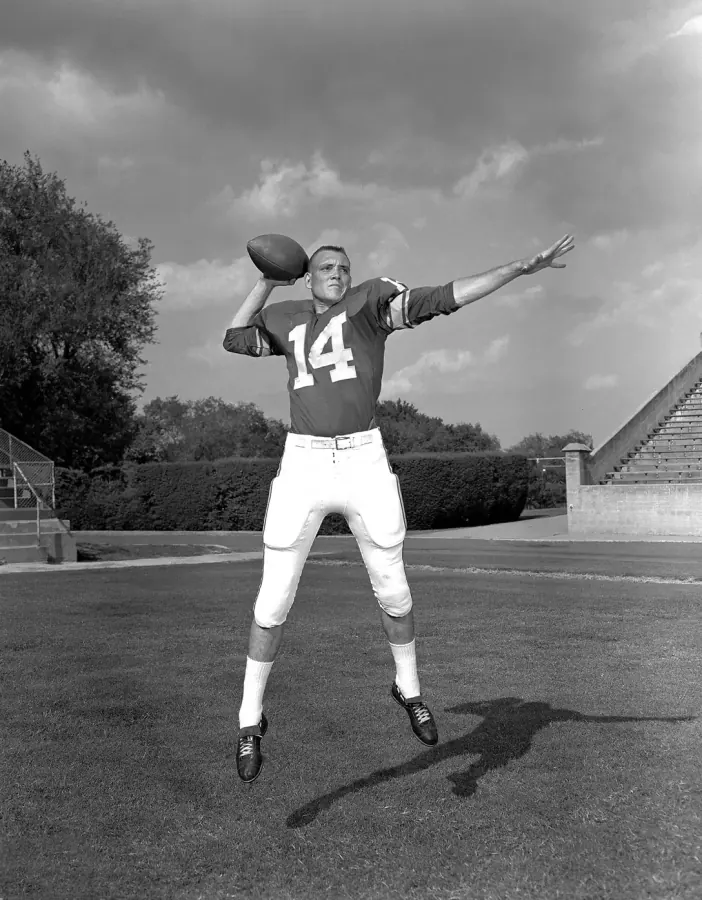
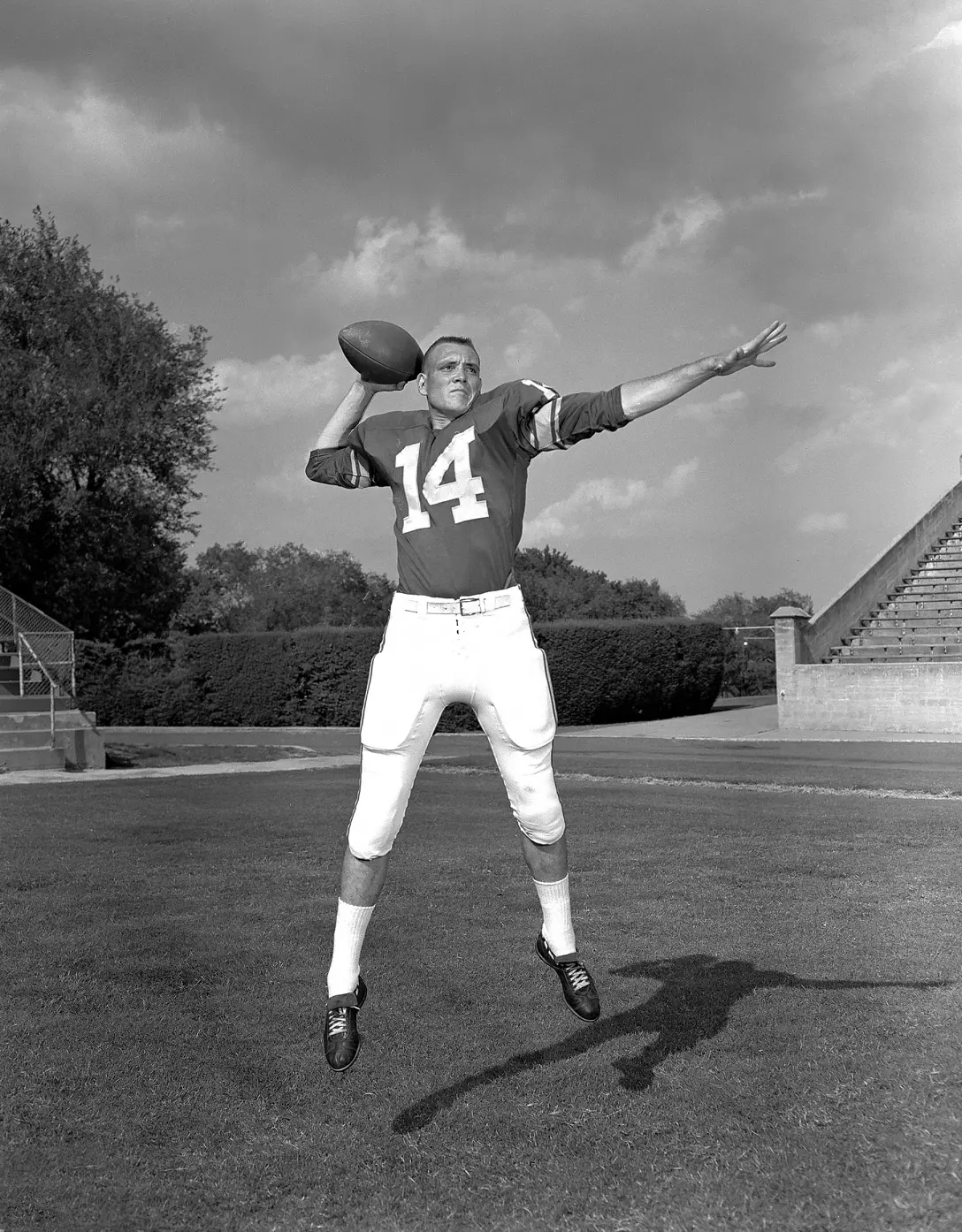
That belief is part of why I made Together Again. I imagined Jessie and Tennie meeting at a station at the edge of Heaven, then Billy Guy arriving in his number 14 uniform. It is a reunion I made for them, built around real people whose lives I want to keep learning about.
I made it with the unsung people in mind, especially the women in my family. It also belongs to anyone who has felt forgotten, dismissed or unable to speak. I want you to know I’m listening. I see courage in the effort to keep going, and I believe hope still has a place in this world.
Leave something in your own words.
There is something the rest of us can do now, while we have the chance. Tell your story. Put names on the photographs. Explain why you left, why you stayed, what you loved and what you got wrong. Ask the person you keep meaning to ask. Leave an answer to a question your grandchildren may not know to ask yet.
You don’t have to produce a beautifully bound memoir. A few pages in your own words would be a wonderful start.
I don’t want all that remains of a person in a hundred years to be a block of granite taking another beating from a weed eater. The stone can tell me when you were here. I’d like to know something about being here with you.
I’m trying to offer that chance to the people who come after me, and the same courtesy to the people who came before.