24 October 2026 · Clayton Hollingsworth
France in the Streets and on the Page
Student protests in France, my own marches in 1998, and the first full printed draft of an illustrated memoir.
This week I printed the first full draft of my illustrated memoir, UNTITLED — France 1998, at home. I wanted to sit down with the assembled work and give it its first complete review on paper.
At the same time, I was reading about students protesting in France again.
Reuters has traced the current movement to school conditions, including teacher shortages, before it broadened into protests about public services and living costs. Its October 24 reporting describes another day of demonstrations and a large security deployment following the previous weekend’s unrest. Those are developments in 2026, with their own participants, decisions, and consequences.
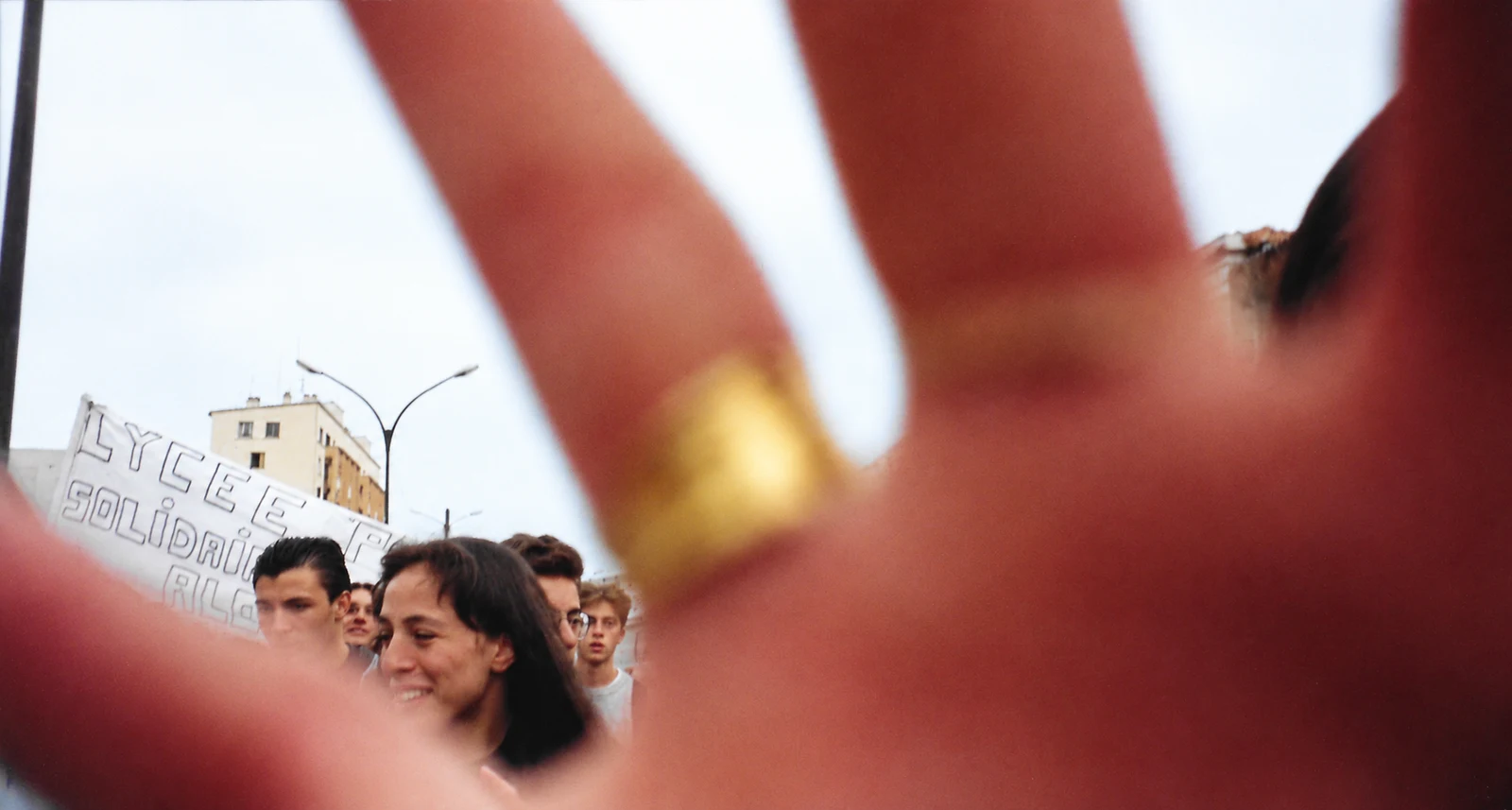
They also brought me back to 1998, when I was a student in France and took part in student protests myself.
That connection deserves more care than a familiar photograph or a claim that history repeats. Twenty-eight years separate those experiences. I cannot stand in for the students protesting today, and my memories do not explain everything happening around them. They do give me a particular reason to pay attention to the people inside a story that could otherwise arrive as another headline from abroad.
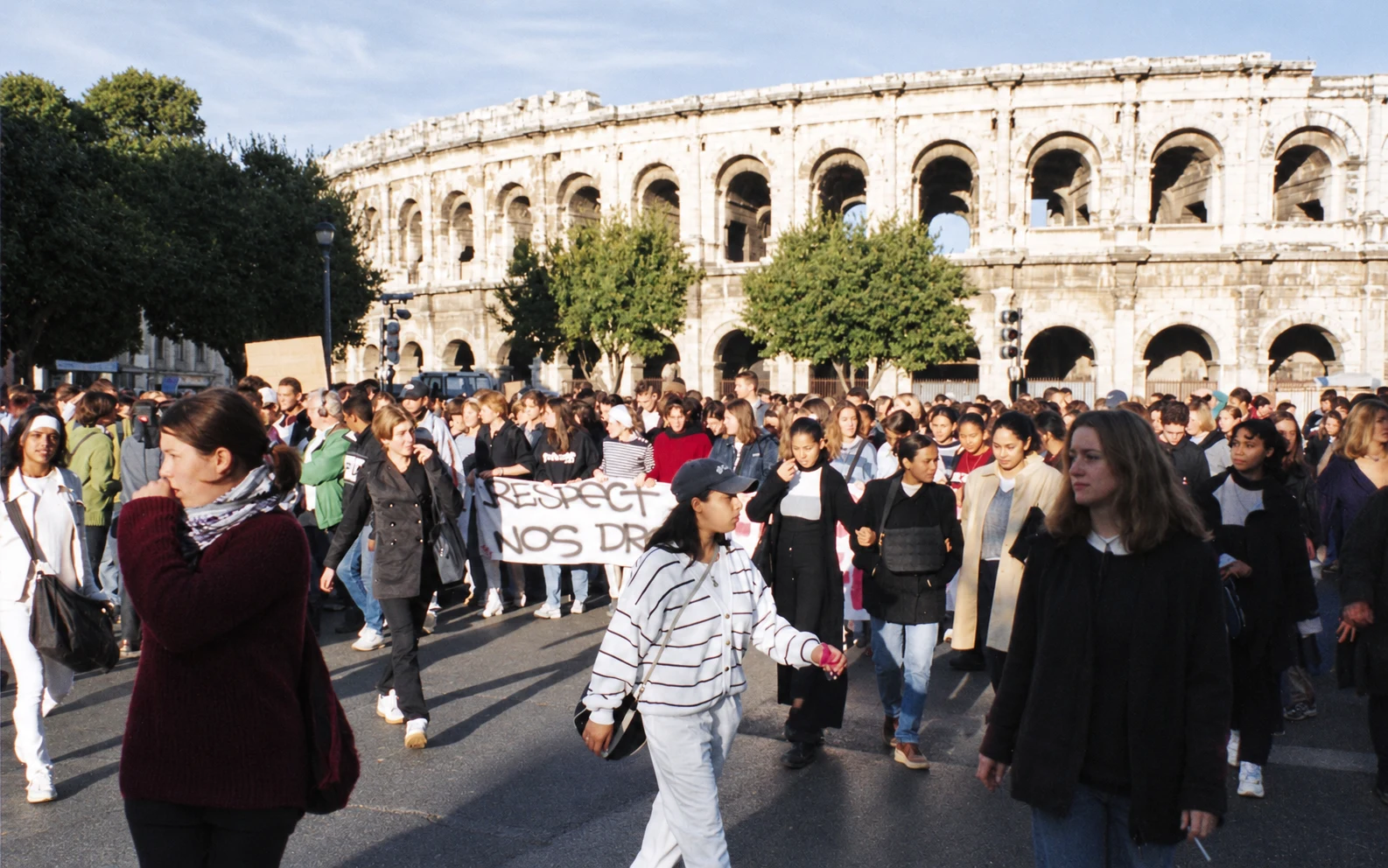
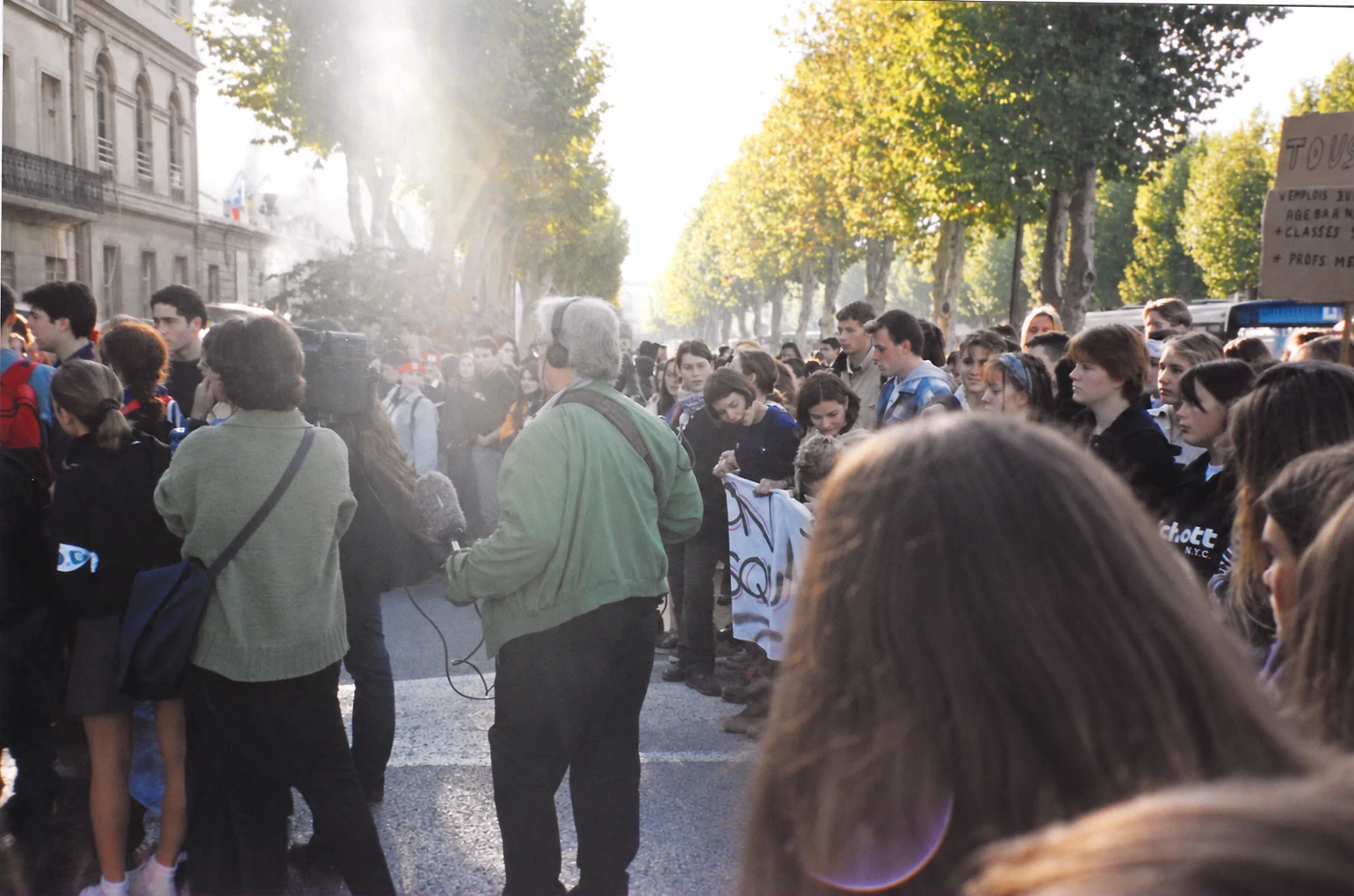
In Nîmes, students were protesting overcrowded classrooms and shortages of teachers. I marched with them on several days. I admired their confidence, and I also enjoyed getting out of class. That last part belongs in the memoir too. Remembering myself as more solemn than I was would make a tidier account and a less honest one.
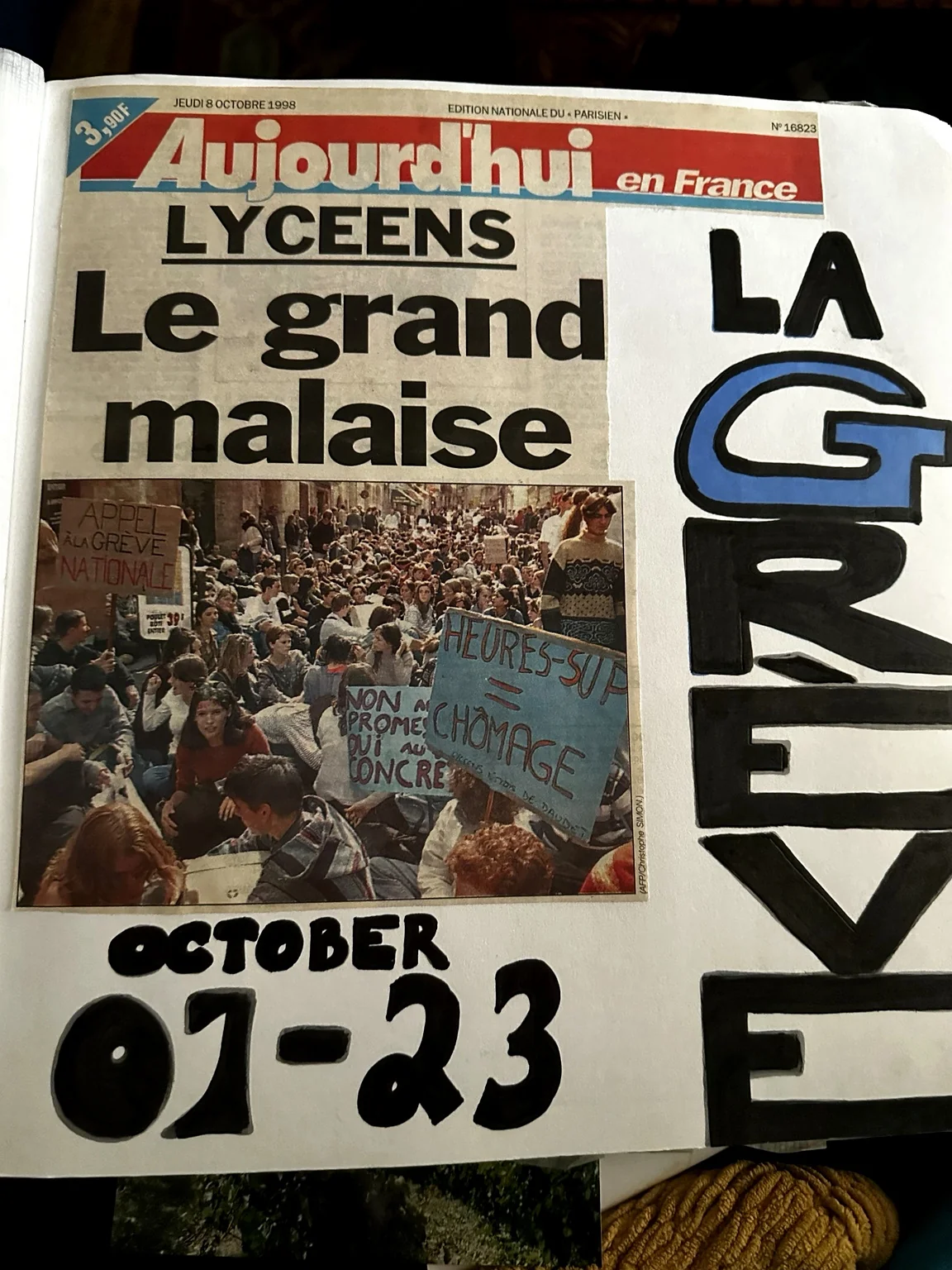
An October 8, 1998 Aujourd’hui en France student-strike clipping belongs among the documentary references for that earlier period. It helps place the memoir against the public record. A newspaper can establish what was reported at the time; my account supplies the part I experienced. Each has limits, and using them together should make those limits clearer.
The illustrations matter for the same reason. School documents, photographs, letters, and other surviving material give the reader something to examine beside my recollection. They can locate a person, a school, or a moment. They can also raise questions I need to answer before the book is ready.
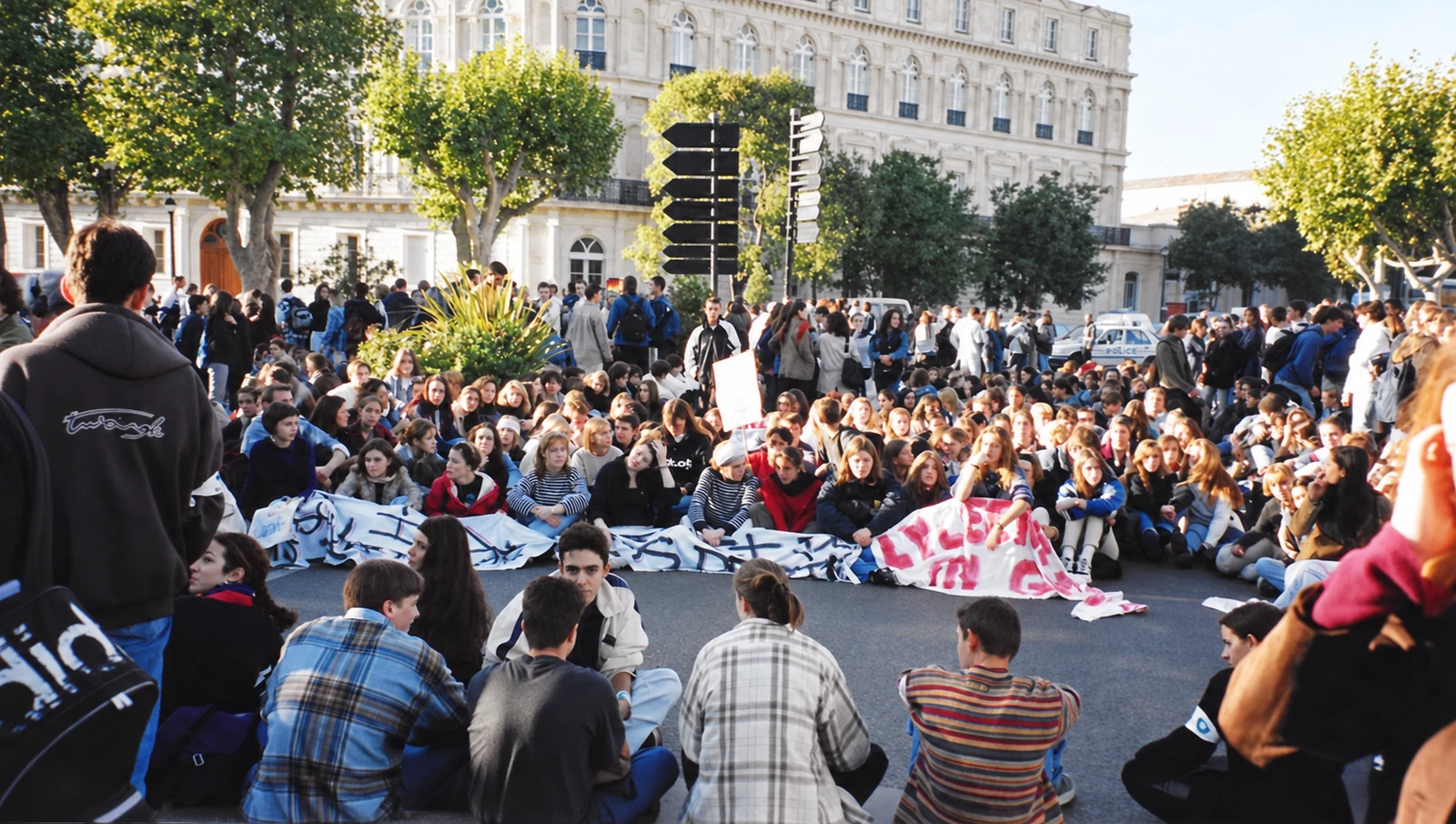
Printing the draft does not mean the memoir is finished. It means I have reached a stage where I can review the whole illustrated work in another form. A page asks different things of a photograph than a phone screen does. A caption has to sit beside its image and do its job. The sequence has to carry a reader who was never there.
That is the task I have put in front of myself. I am reviewing a life I remember while also checking what the surviving evidence can support. The current news gives the school and protest material a timely point of connection, but the memoir will have to earn that connection through specifics.
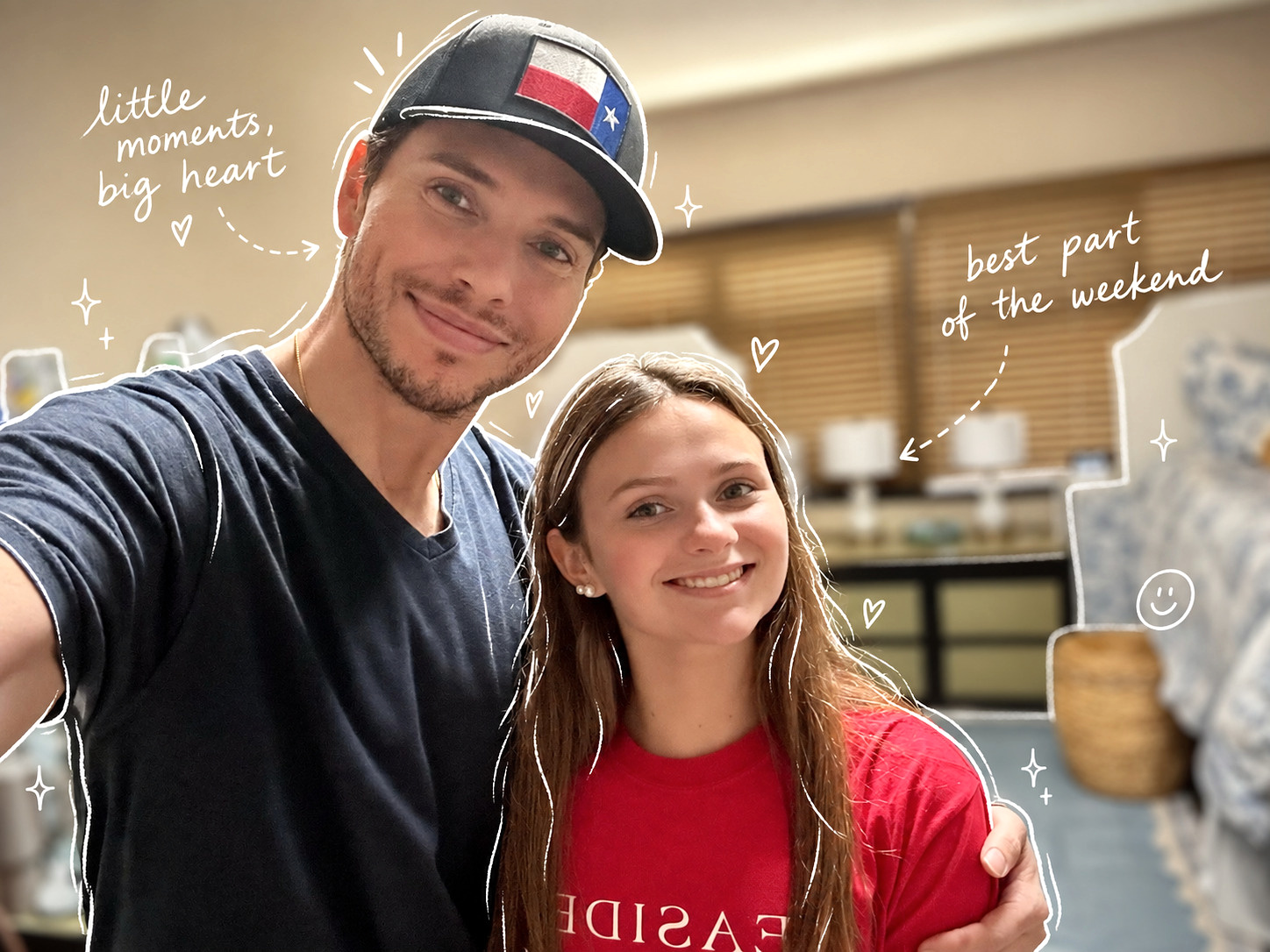
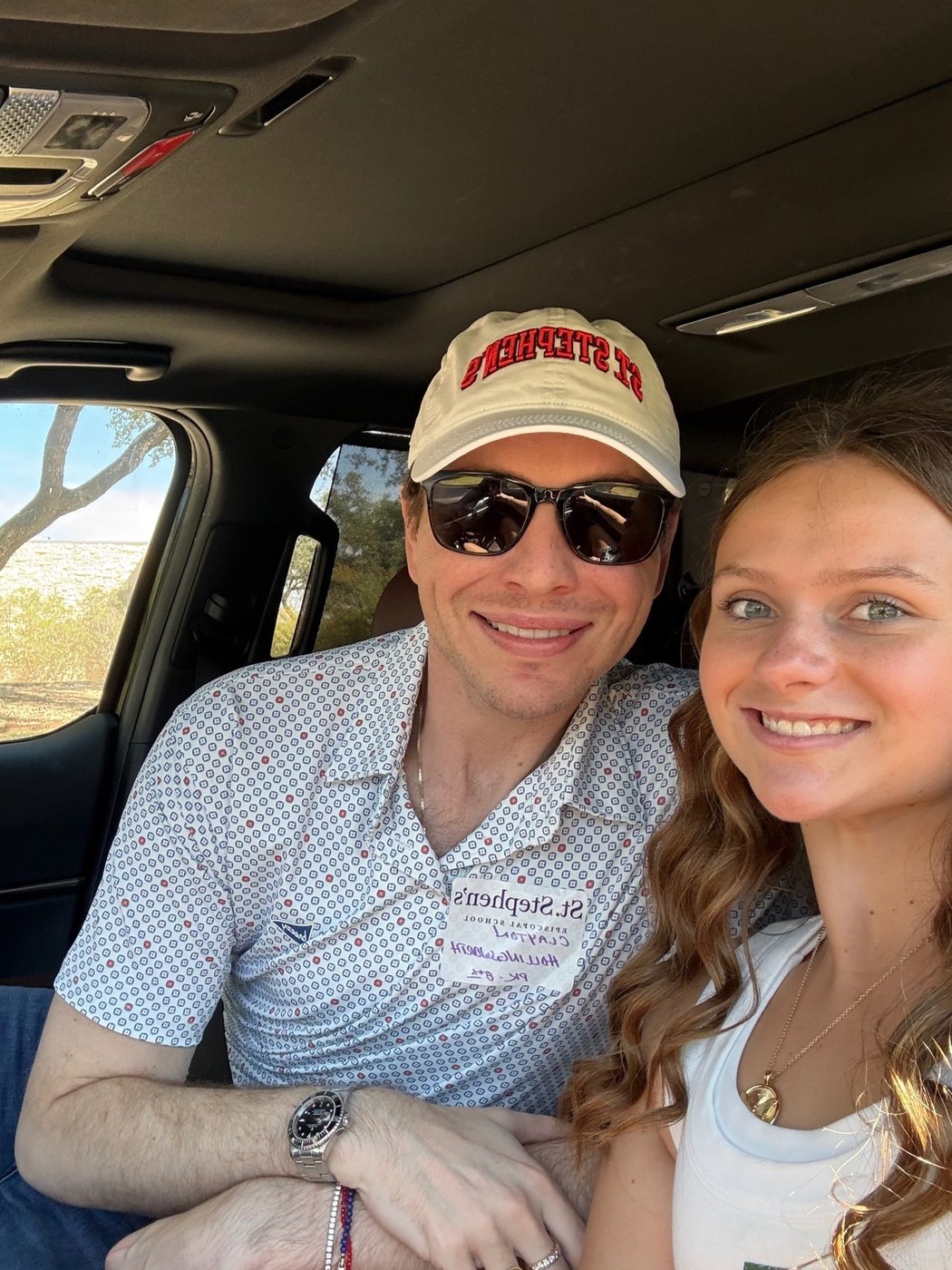
There is another perspective in the room now: I am a parent. This week also included Parents’ Day in Austin and bringing Perry Kate home for Fall Break. I can look at an earlier student life while participating in my daughter’s school life today. That does not make the experiences interchangeable. It gives me more than one position from which to consider education, independence, and what young people need from adults and institutions.
For now, the printed draft is ready for my full review. France is in the news again, students are speaking for themselves, and I have a reason to return carefully to what happened when I was one of them.