01 / France, 1998
The president came with me.
To read the Starr Report, I had to leave the house. In 1998, the Internet was somewhere I went, and in Nîmes I paid for time at a computer so I could investigate an American president’s sex life. I was fifteen. The sexual details were an inducement. So was the argument about what he had said, what he had done, and whether those were legally the same thing.
I read the whole damn thing.
I had crossed the Atlantic through AFS to learn French, see the world, and become considerably more sophisticated. Almost immediately, I found myself following a scandal from home while struggling to produce an ordinary sentence at school. Whatever France was going to make of me, it would first have to contend with the boy Texas had sent.
02 / France, 1998
A household above the clouds.
First came the Escojidos in Nîmes, then L’Itaca near Nyer. My brother Colby would later tell people I lived in a castle. This was generous reporting. The family would eventually stay in a château; my own accommodations had a different relationship with grandeur.
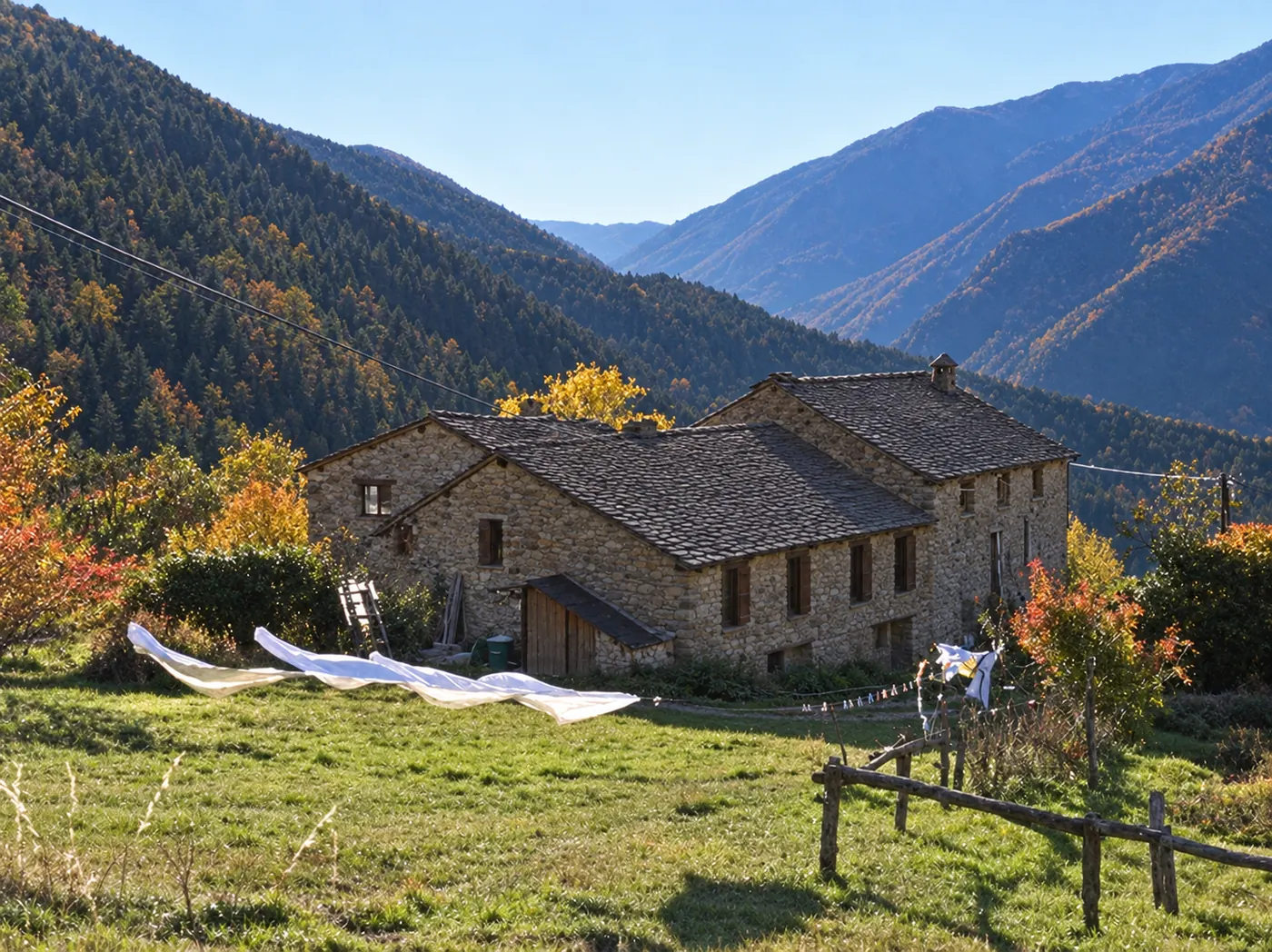
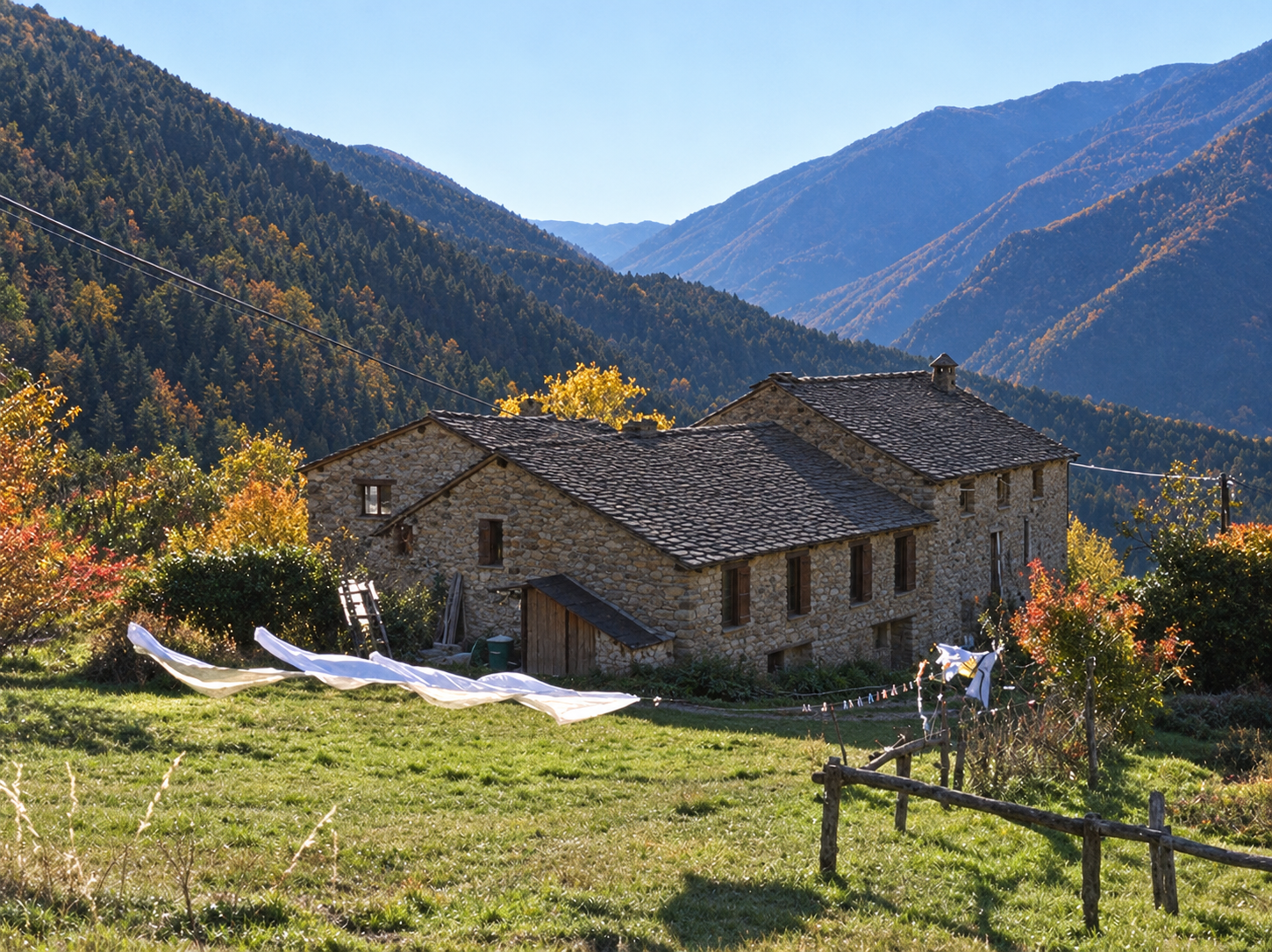
At fifteen, I lived above the clouds at L’Itaca, the agricultural commune at Mas de Porsignan. I initially told its story as though Jo Falieu and Marie-Thérèse (“Marithé”) Louis had created it alone. My former host sister Marica, writing to me in October 2026, supplied a fuller account. Jo, Marithé and her twin sister Anne-Marie had been connected through their lives around Font-Romeu. In 1982, they and other participants—including a cattle breeder, a potter and a physiotherapist—acquired L’Itaca collectively. Together they rebuilt four houses on the property. It brought farming, teaching, children, visitors and an unconventional household together on one mountainside. I arrived in 1998 thinking the place was peculiar. I had no idea how much work and conviction it represented.
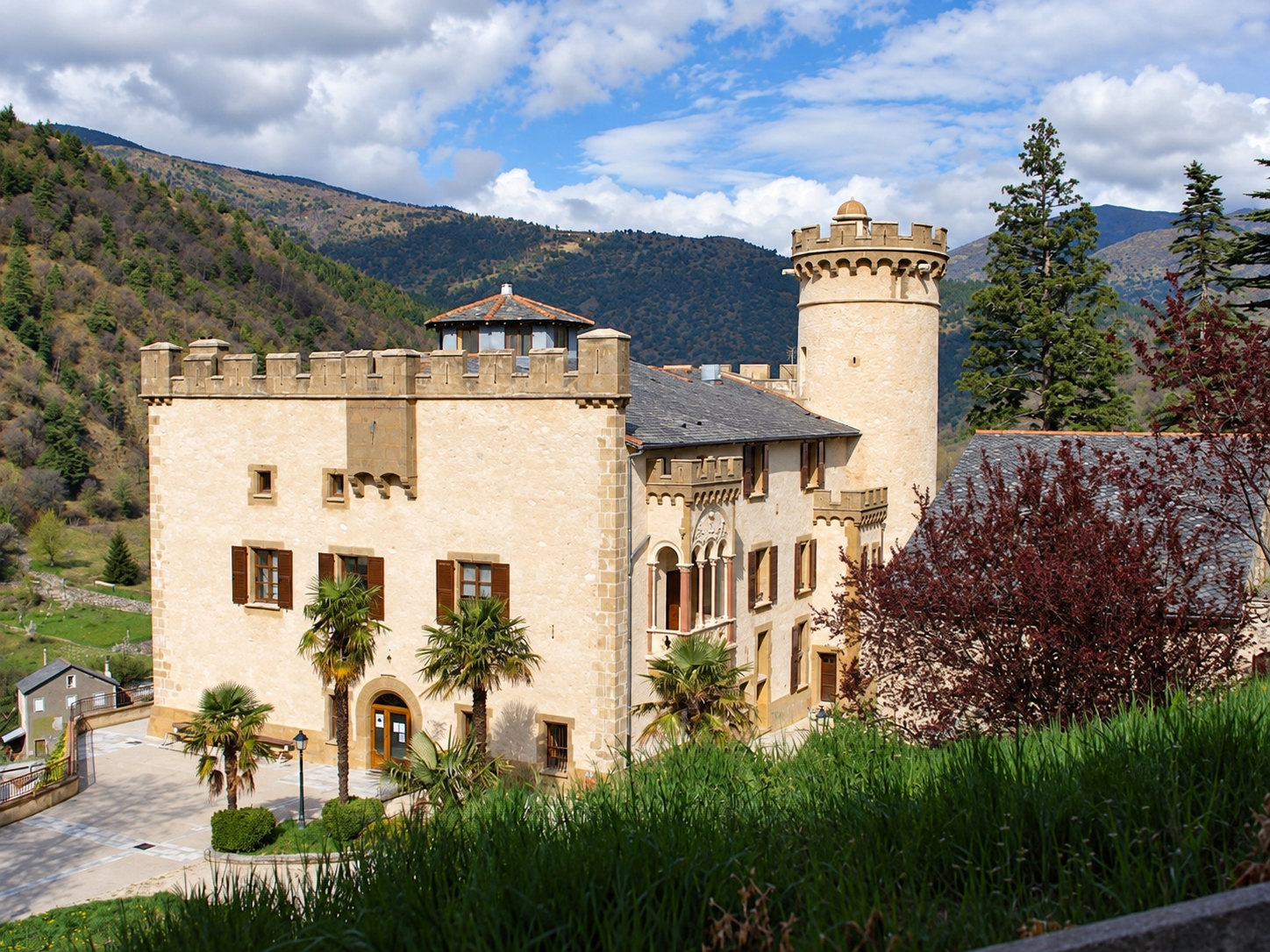
The experiment was modern; the ground beneath it was not. Nyer’s name appears in records more than eleven centuries ago. Nearby, Saint-André d’Eixalada was founded beside the hot springs in 840 and destroyed by flood in 878. The medieval Roca d’Anyer guarded the gorge; the Barony of Nyer passed through the kingdoms of Majorca and Aragon; and the Nyerros later carried the village’s name into Catalonia’s factional wars and bandit country. Only after the Treaty of the Pyrenees in 1659 did this part of the Conflent become French territory. I arrived thinking I had left history behind. In fact, I had moved directly into it.
The people who lived there had a life, a philosophy, and perfectly ordinary reasons for their arrangements. I had expectations. We were going to need some time together.
The people. The place.
A household on one mountainside.
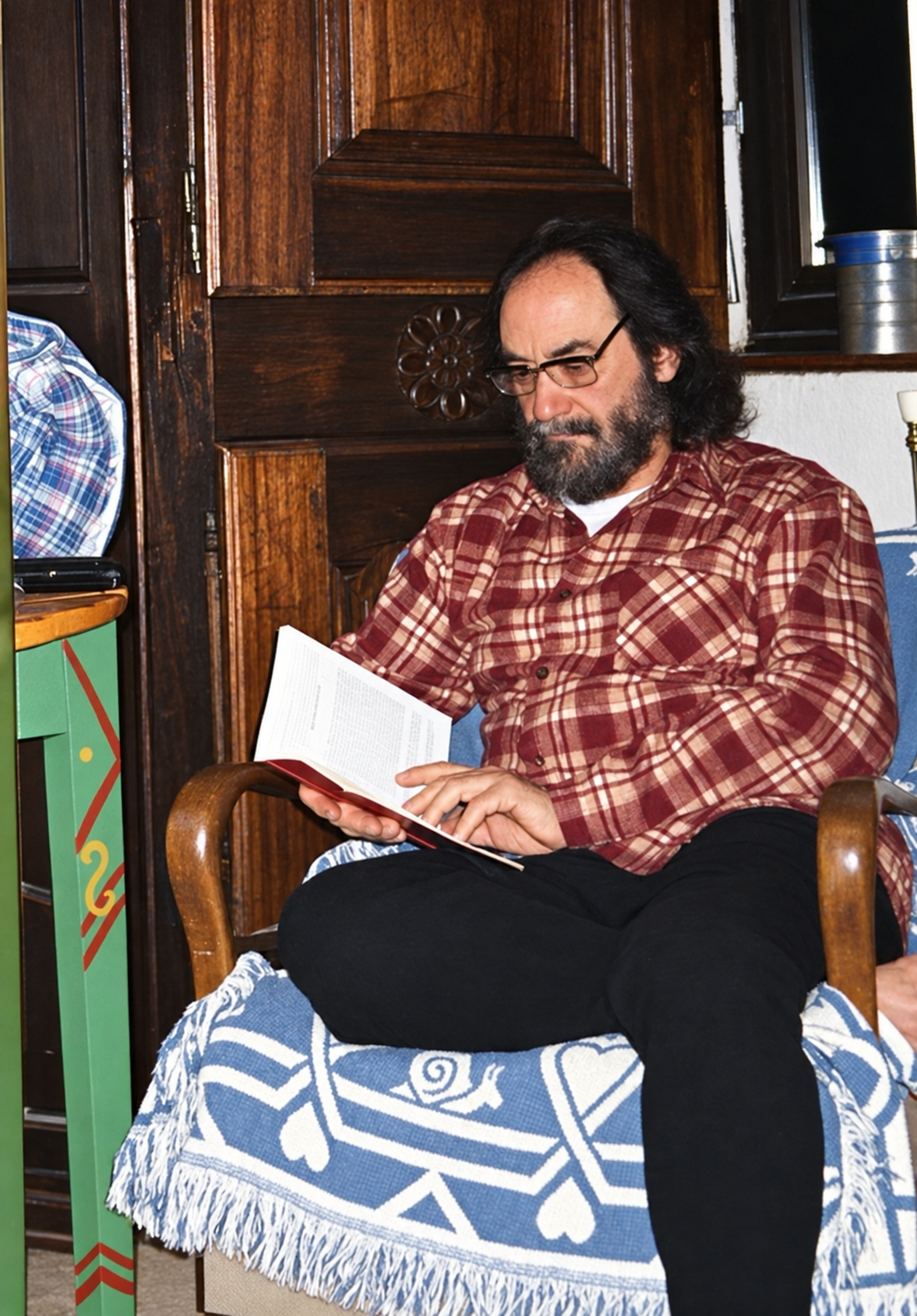
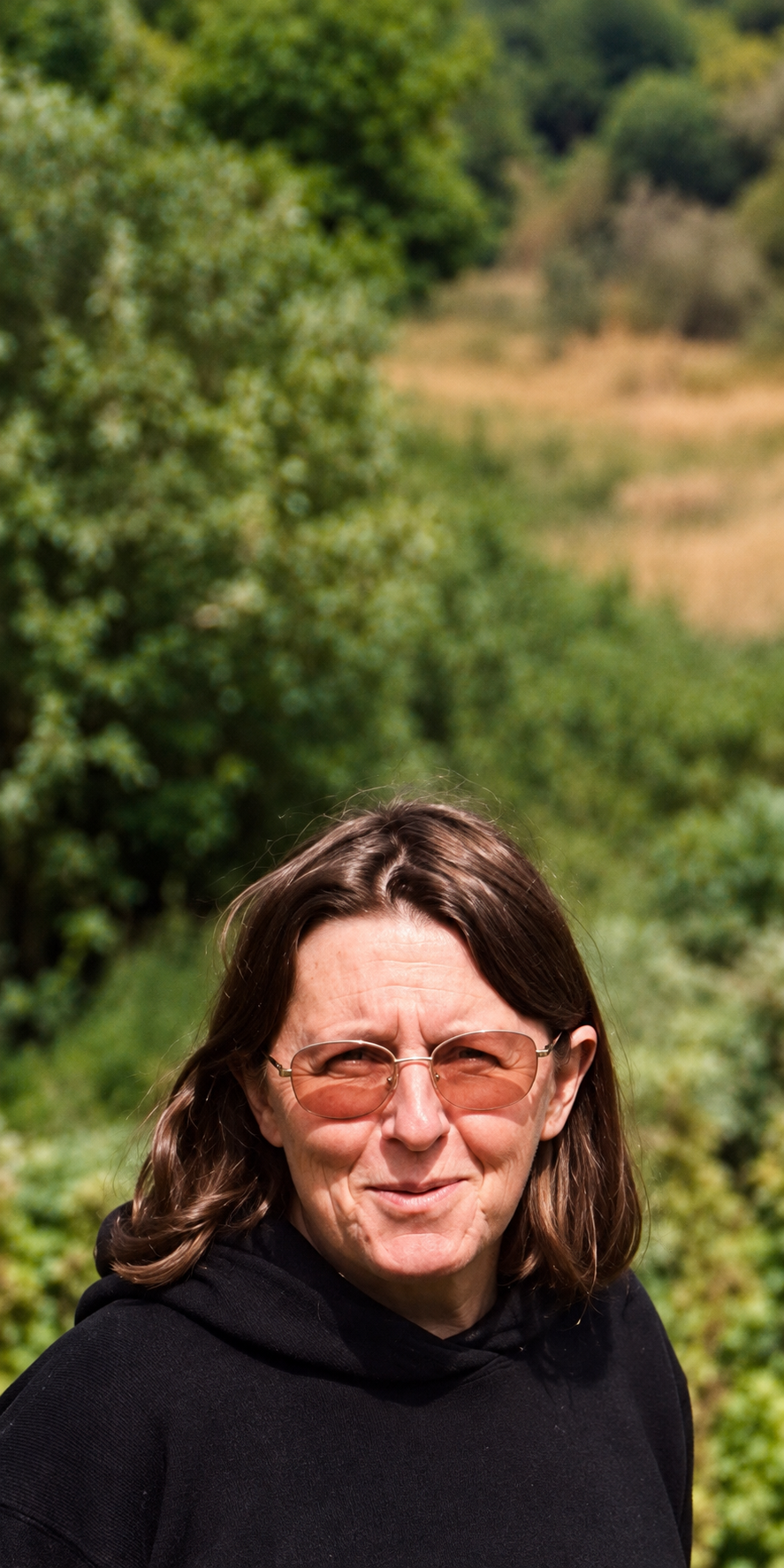
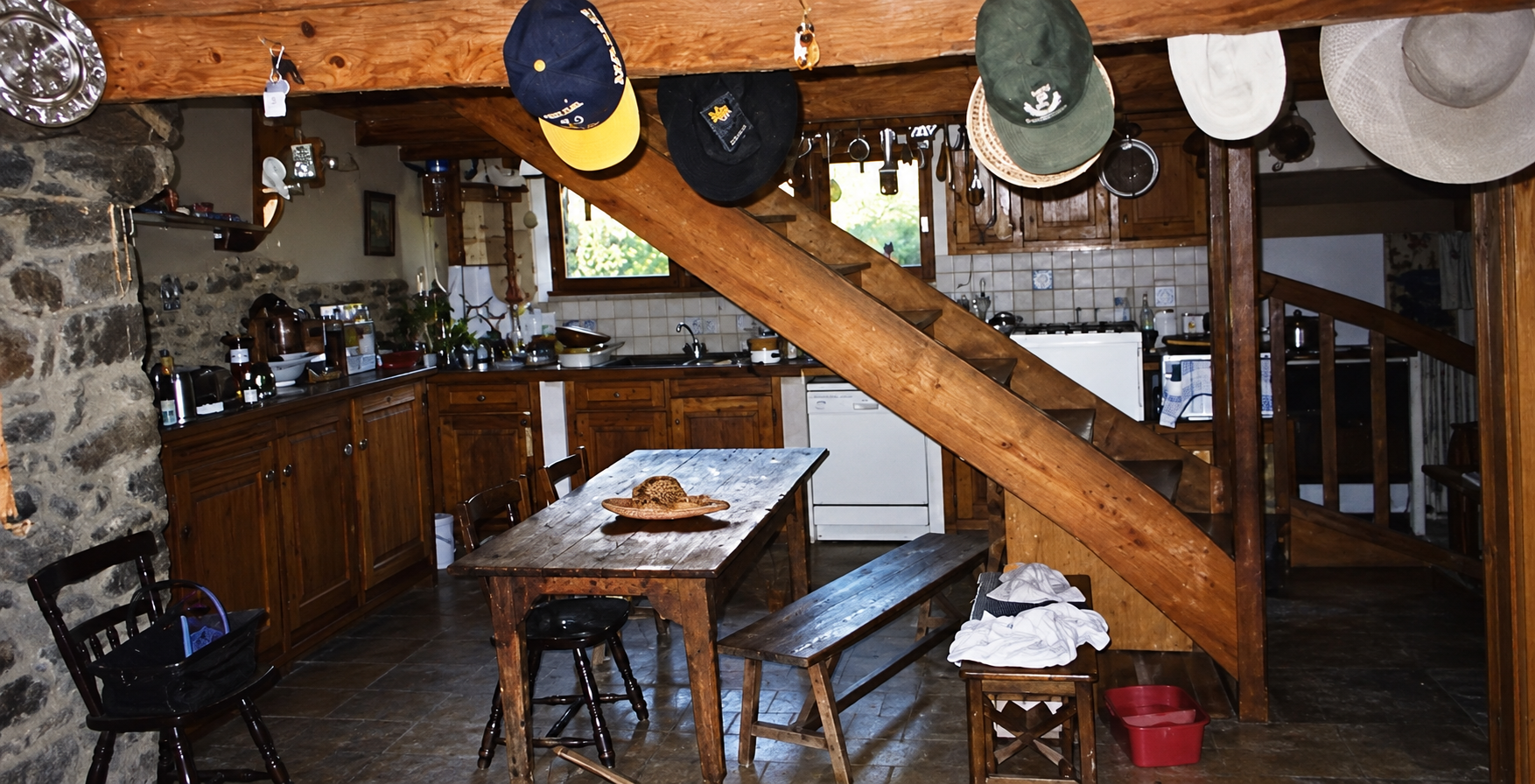
“I had expectations. We were going to need some time together.”
03 / France, 1998
An education, occasionally at school.
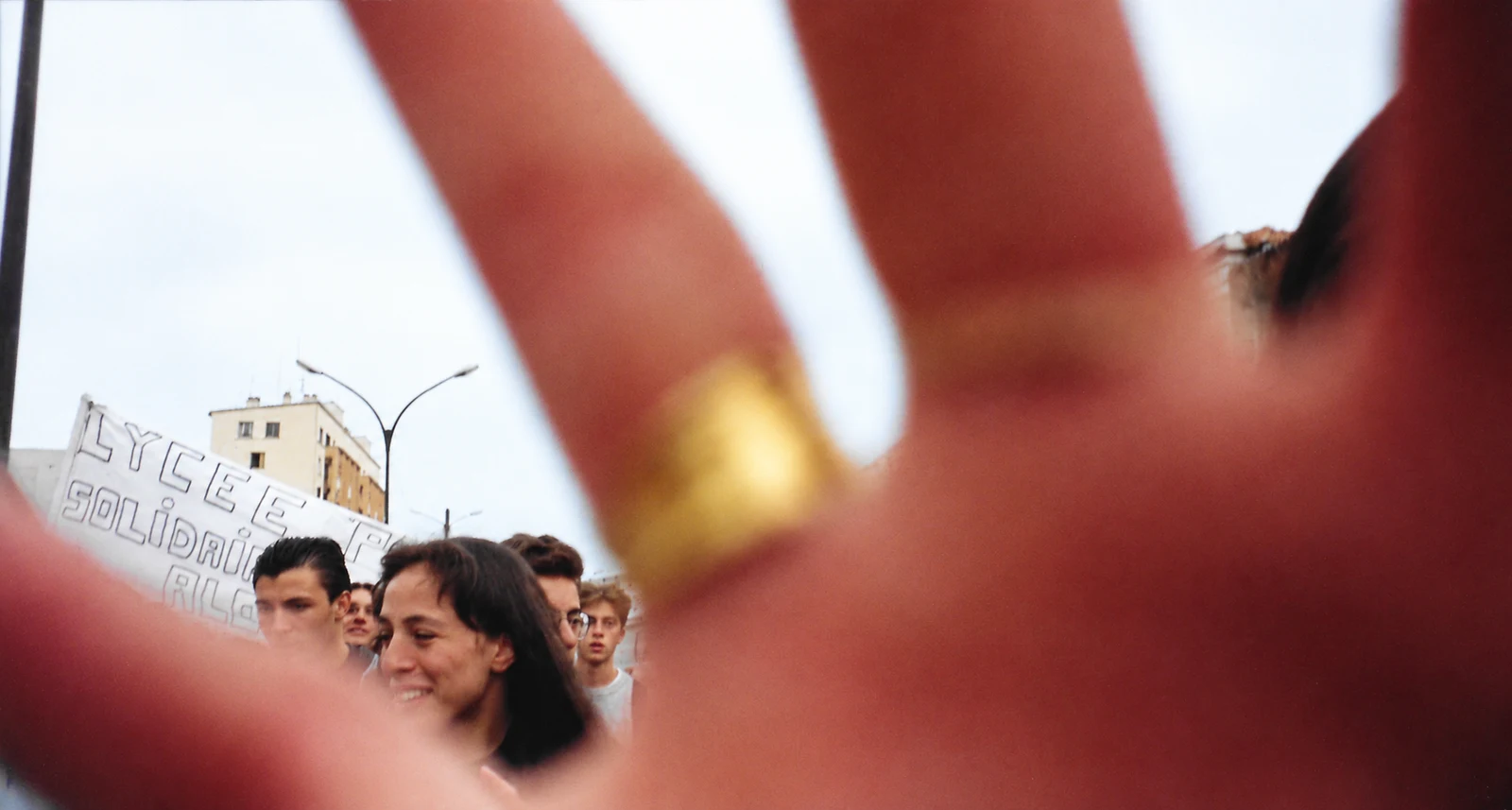
In Nîmes, students were protesting overcrowded classrooms, shortages of teachers, and adults who seemed insufficiently interested in either. I marched with them on several days. I admired their confidence that people our age could demand an answer. I also enjoyed getting out of class. Both things can be true; much of adult politics depends on our overlooking that possibility.
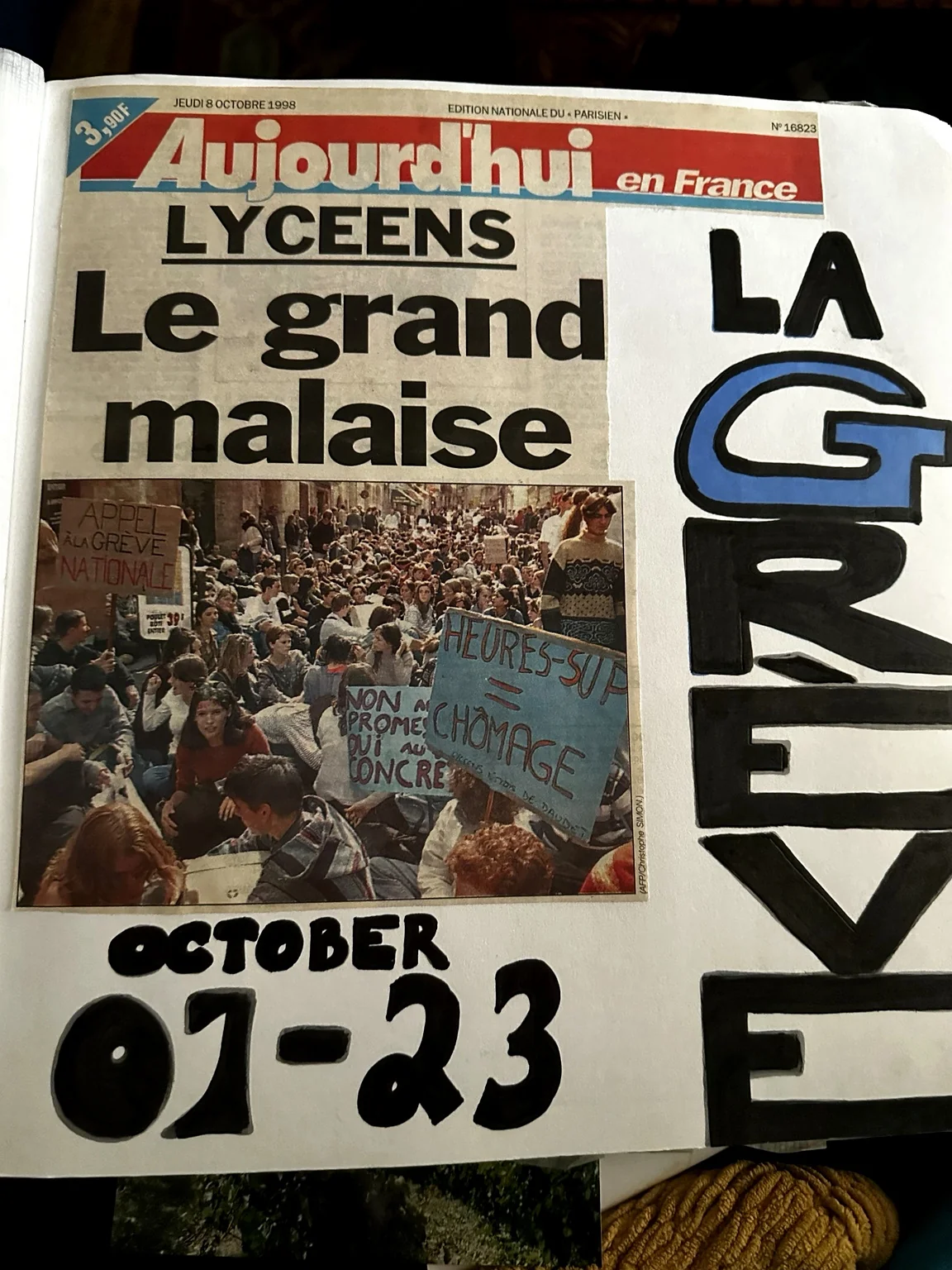
Outside school, other discoveries required no permission slip. I developed crushes on girls. I had also noticed a blond Russian boy at orientation with an immediacy that complicated my existing explanation of myself. France did not hand me a finished identity. It gave me more to account for.
Then Granny sent a magazine I remember for the words “OK to Be Gay.” I have always believed the selection meant something. I cannot know her intention. What I remember is the room the gesture left me: something to read privately, without a family interrogation attached. That quiet package belongs beside the louder adventures.
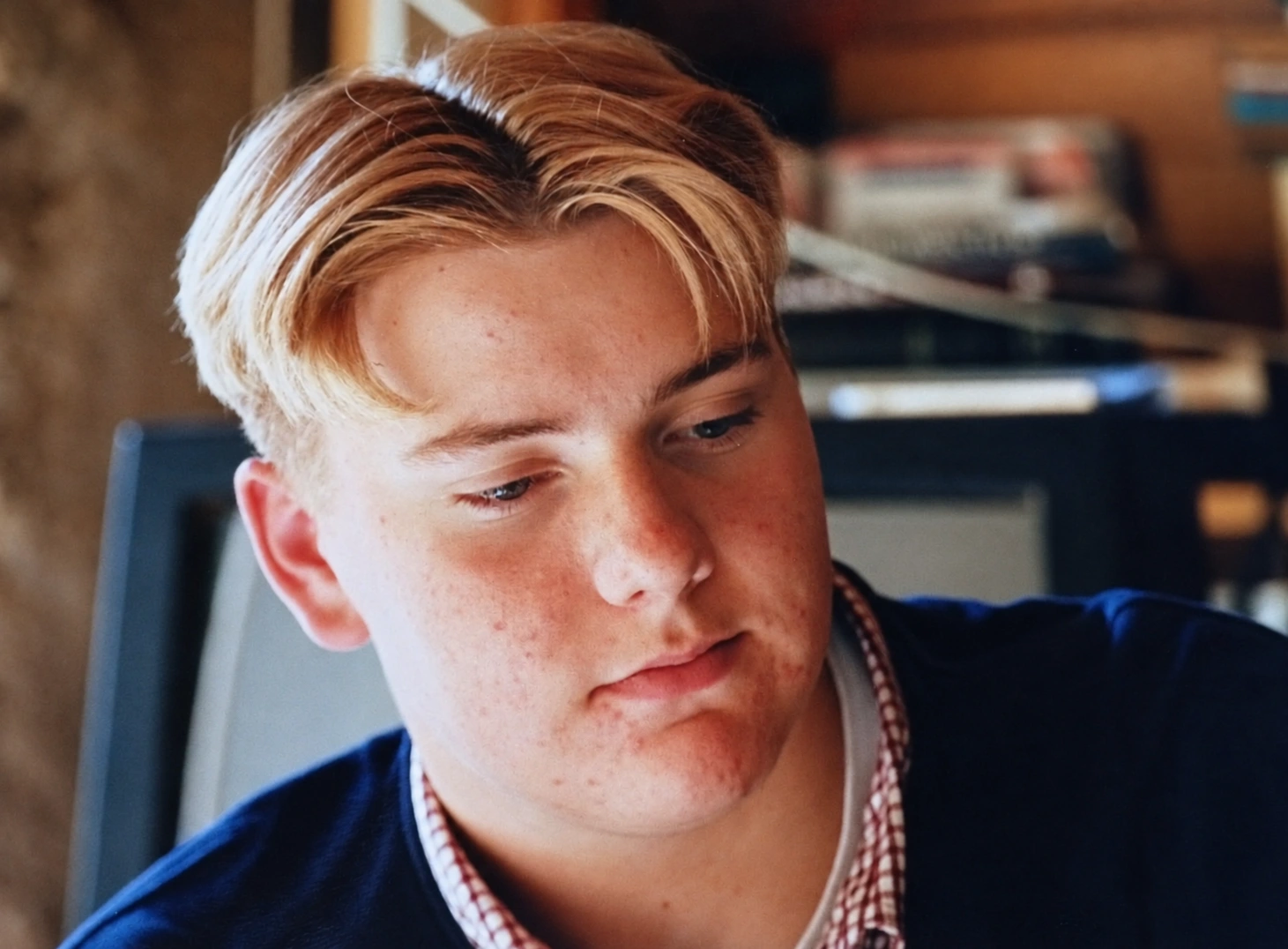
An education beyond the classroom“France did not hand me a finished identity. It gave me more to account for.”
October 1998 / The Alps
The mountains remained magnificent.
04 / France, 1998
Kenzo had not prepared me for this.
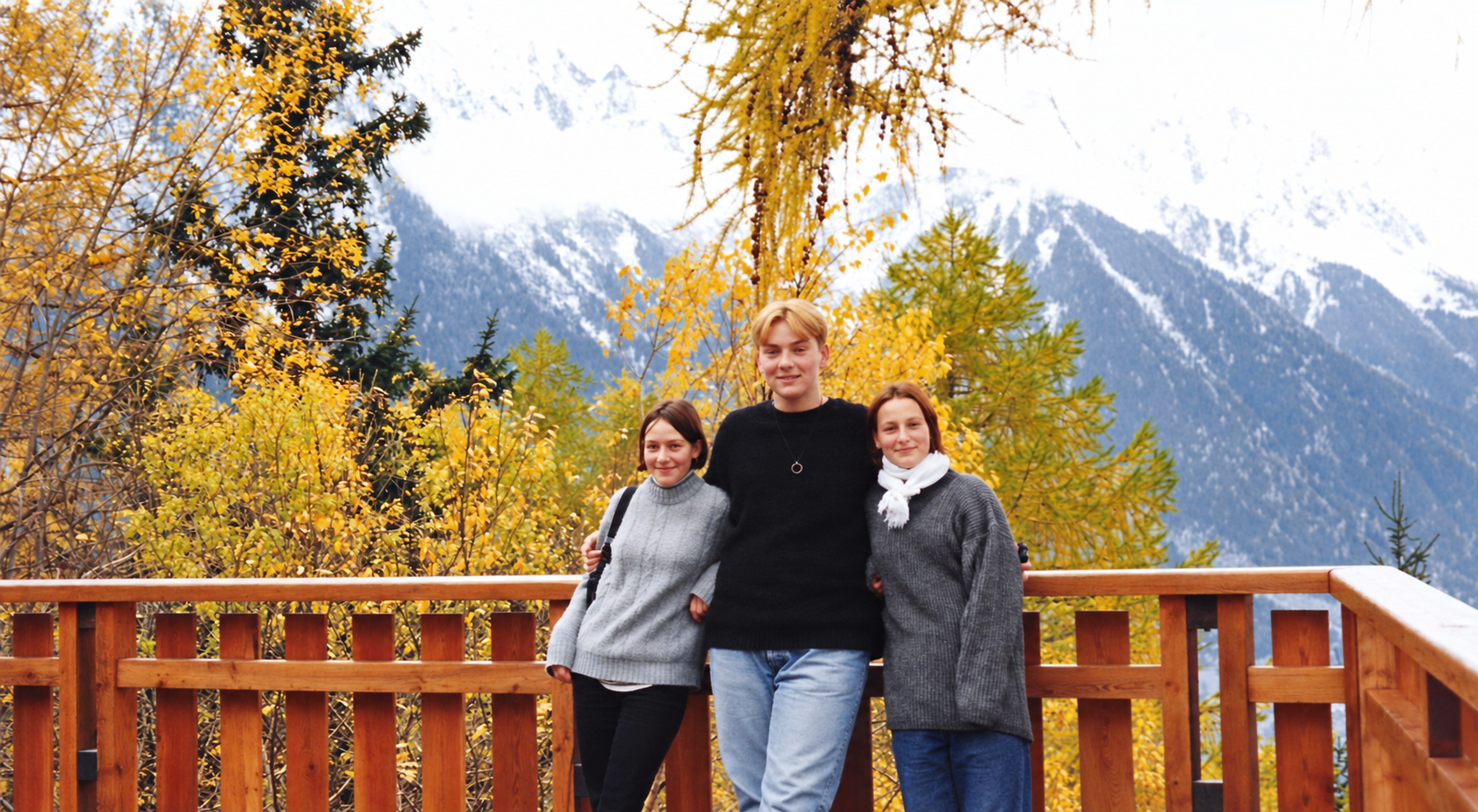
On October 30, we went toward the Glacier des Bossons in the Mont Blanc area. I wore Kenzo dress shoes. I had understood that we were going somewhere worth seeing; I had not adequately investigated the walking. My preparations had been deliberate, expensive-looking, and largely irrelevant.
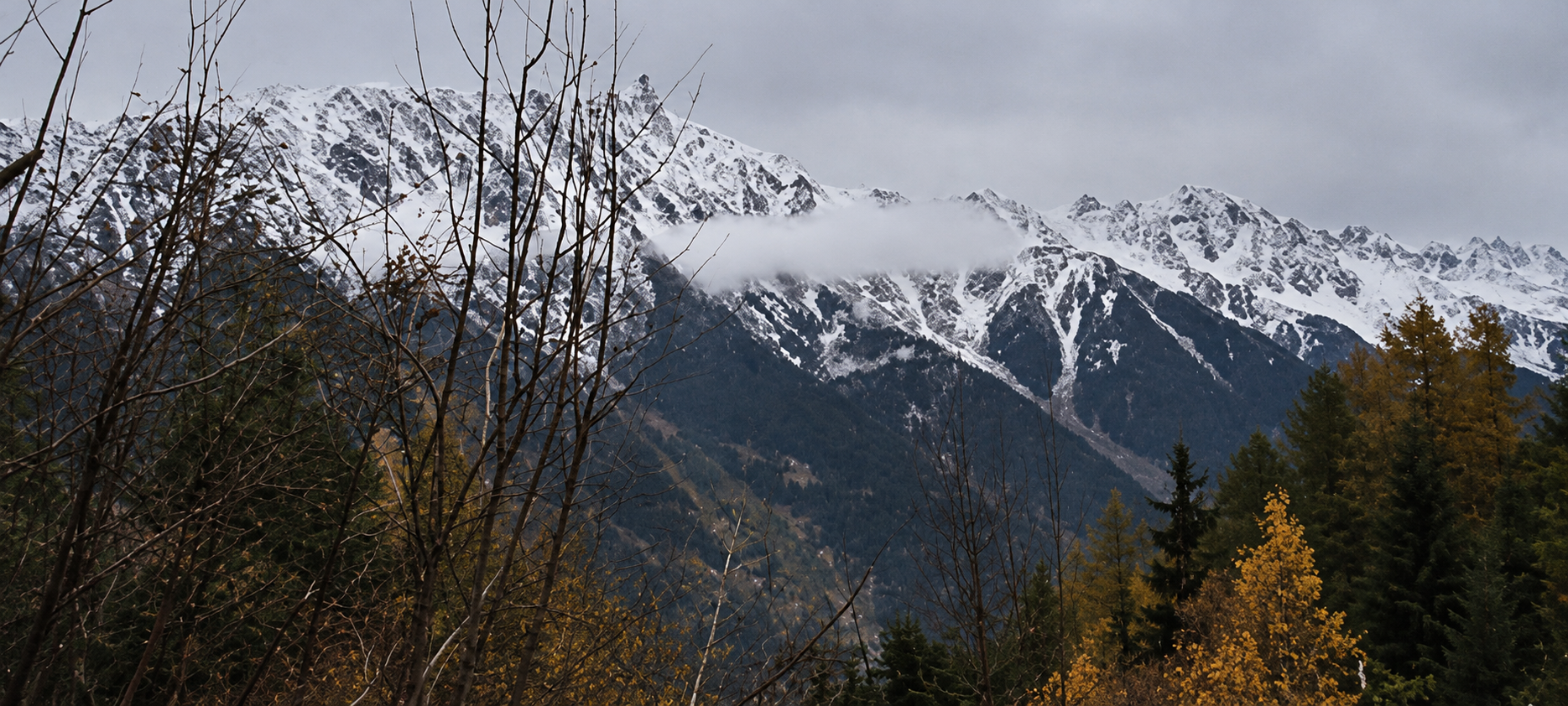
The blister broke and bled. The mountains remained magnificent. In my scrapbook, I called the place “absolutely the most beautiful place in the whole entire world.” Later, over the border in Italy, I praised a meal while carefully noting that it was not as good as Benihana. Europe was doing very well. I was still keeping score from Texas.
05 / France, 1998
And then my parents arrived.
After Christmas, my parents and Colby came to visit. They brought gifts for the household, according to a later recollection shared by Pascale Leconte, who knew the family during my stay. They also brought their own understanding of how a fifteen-year-old boy ought to be living. My descriptions were about to meet an unusually attentive audience.
The dinner I remember included enormous shrimp with their heads attached, a mouse crossing the floor, and a cat getting onto the table. Months of adaptation had made some things ordinary to me. My family was seeing them for the first time. I could understand both sides of the table, which did not make sitting between them comfortable.
What followed involved worry, tenderness, a tense departure, and a father whose part in my life cannot be reduced to either the damage or the love. I came home early. For years, the most dramatic scenes threatened to become my entire account of France.
Nyer / Two worlds at one table
“I could understand both sides of the table, which did not make sitting between them comfortable.”
06 / France, 1998
The story kept writing back.
But the letters survived. So did the photographs, the magazine with its thirty-five-franc sticker, and other people’s memories of the boy I had been. A letter from Jo after my return complicates any tidy version in which I simply escaped. Later conversations with people from L’Itaca complicate it further.
Marica also told me what happened after my time there. The earliest members of the commune gradually moved away, although the mas remained a place of comings and goings. Eventually a relative revived the cattle operation, and the place entered a new chapter of collective ownership through a citizen cooperative supporting the farm and photovoltaic-roofed agricultural buildings. The cooperative's own records explain that roughly sixty hectares from the former GFA ITACA passed into the new cooperative structure; its public website counted 244 members as of July 18, 2026. The original experiment had changed its form, but not entirely its purpose. As Marica put it, it was “à nouveau une grande aventure collective”—once again a great collective adventure.
That is the France story I am trying to tell: funny, uncomfortable, affectionate, and occasionally embarrassing to its author. The companion podcast opens another way into those months, from school strikes and mountain life to the family visit and the journey home. Give it twenty-four minutes and fifty seconds. I gave France several months, a pair of shoes, and considerably more certainty than I could afford to lose.
Words, photographs & memory
Drawn from my France memoir in development; my 1998–99 letters and scrapbook; later recollections from Marica, shared in October 2026, concerning L’Itaca’s origins and its later collective life; and recollections and photographs supplied by Pascale Leconte. The cooperative’s published materials document the farm’s later ownership arrangements and its reported July 2026 membership. Family photographs are from my archive, with AI-assisted HIM restorations. The two Nîmes city views are contemporary reference photographs, not 1998 exchange photographs.
Ferme d’Escoums cooperative · The 2015 farm and cooperative project