24 October 2026 · Clayton Hollingsworth
Make Your Art
A zebra-patterned unicorn, a grandmother, and an imaginary realm: what making art with AI means to me.
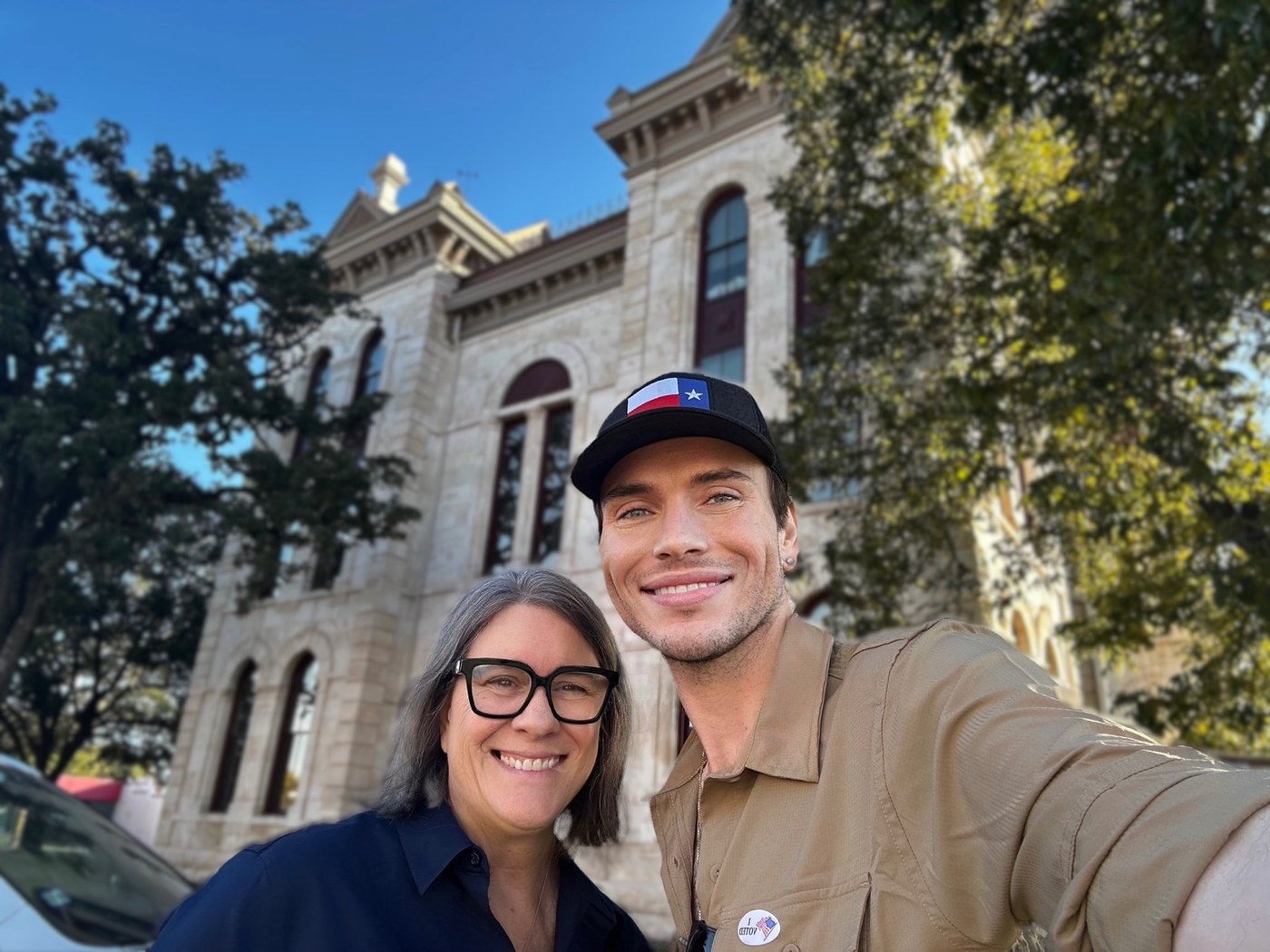
I recorded a note to myself this week because I had apparently reached my limit on the question of whether using AI counts as making art.
“It is 2026, folks. Make your art. Do what you want to do.”
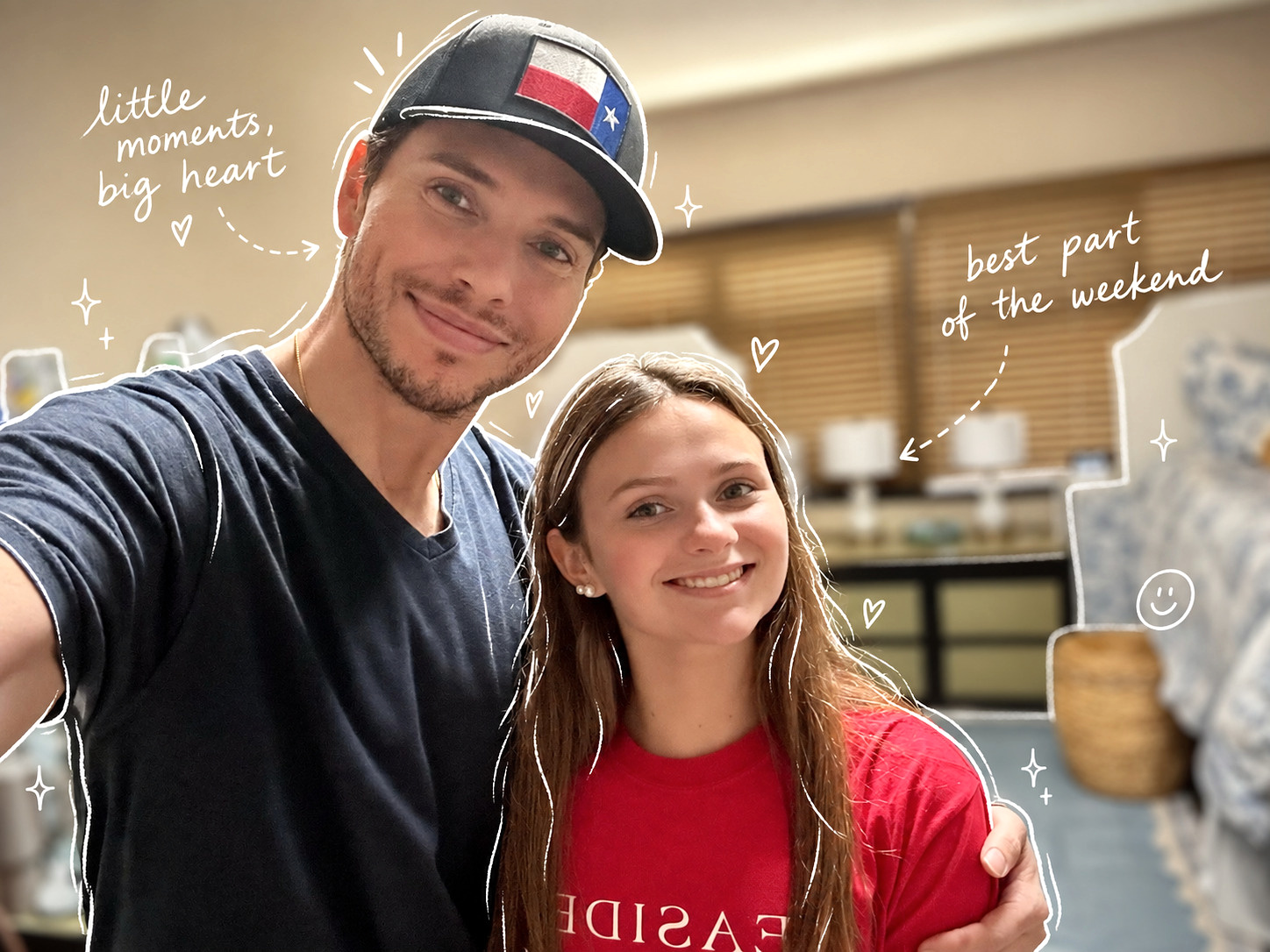
The parrot on my head is a joke. So is the ridiculous face. I took a photograph of Gigi and me and had some fun with it. Everyone could stand to relax a little; an imaginary bird does not need a committee hearing.
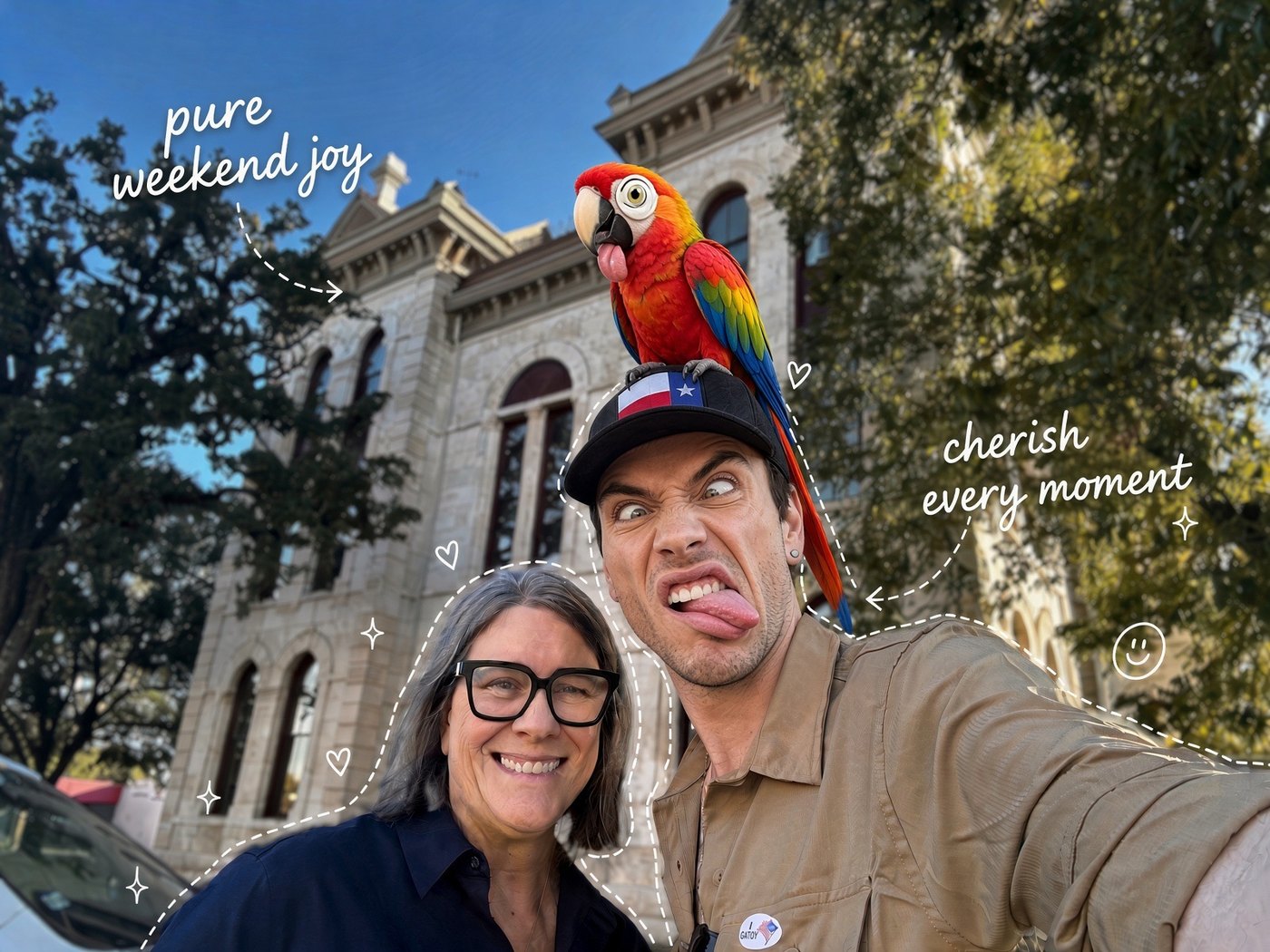
That is the short version. The longer version has a zebra-patterned unicorn, a lion’s cloak, a grandmother, and an entire imaginary realm in it. Subtlety has never been a contractual requirement.
The equestrian portrait began with the idea of putting me into a composition inspired by Napoleon Crossing the Alps. Then came the decisions. Cobalt and gold needed more life. Hot pink entered the picture. The setting moved toward the Pyrenees, with a lake recalling Whitney, softer limestone in the foreground, and fewer trees. The rider needed to look like me, and the proportions needed to make sense. A face that drifts or a head that does not belong on the body is a problem, regardless of how impressive everything around it looks.
That process matters to me. I made choices about the image, looked at the results, objected, revised, and sometimes stopped to reconsider. My idea of the picture became more particular as I worked on it. The image on the screen was something I could respond to and keep shaping.
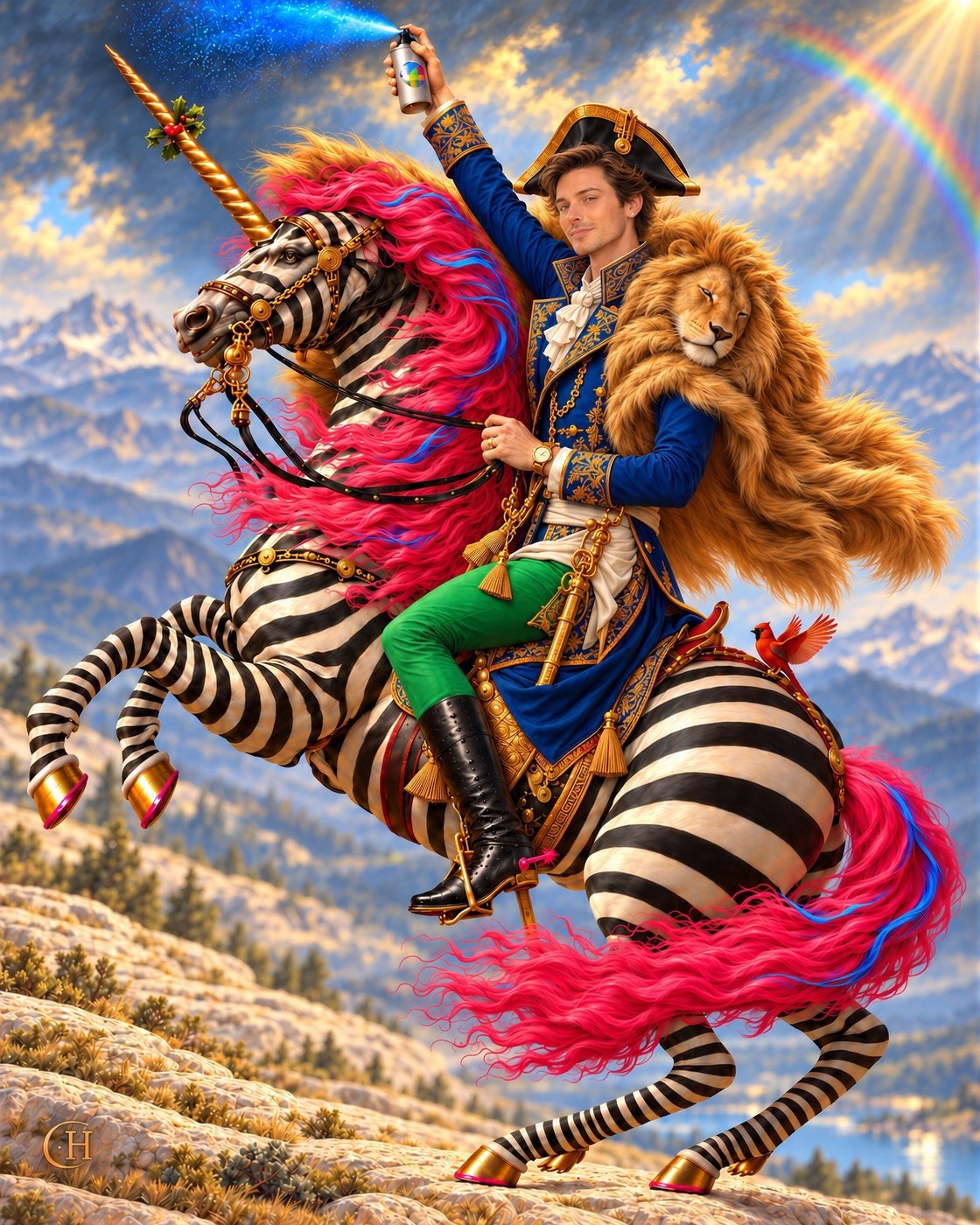
Now I have printed the equestrian at 24 by 36 inches on matte poster paper and bought supplies to add to it by hand, including adhesive gemstones. The physical work is still ahead. I like that the image can continue changing after it leaves the screen. It has already moved from an idea to a digital composition to something sitting in the physical world, waiting for the next decision.
The Realm comes from a related impulse, though it operates on a much larger scale. Architecture, interiors, heraldry, memorials, and objects become parts of an imaginative world built around personal symbolism. I can think about how a room should feel, what an object should remember, and how separate pieces belong together. The result is worldbuilding through images, with its own continuity and standards.
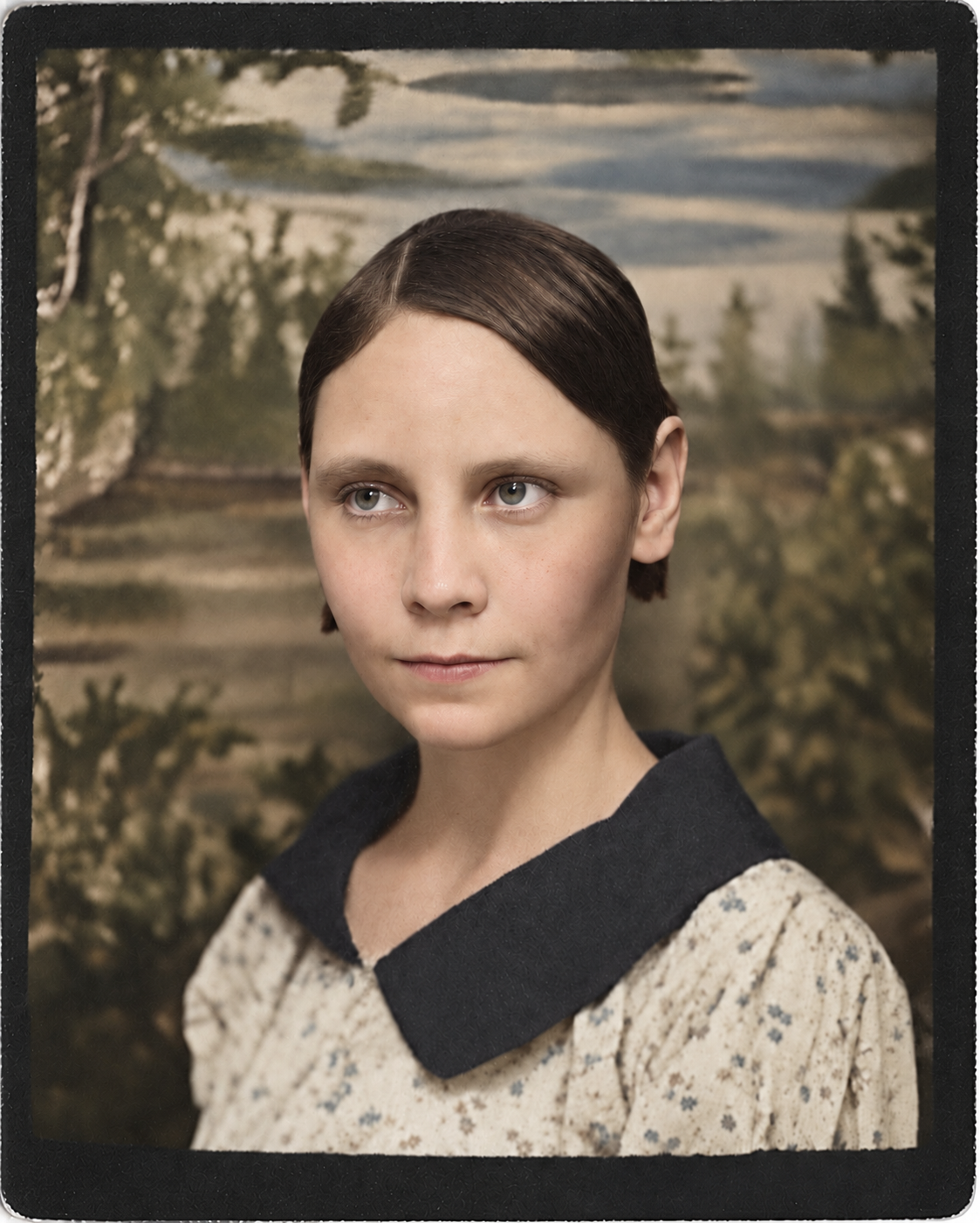
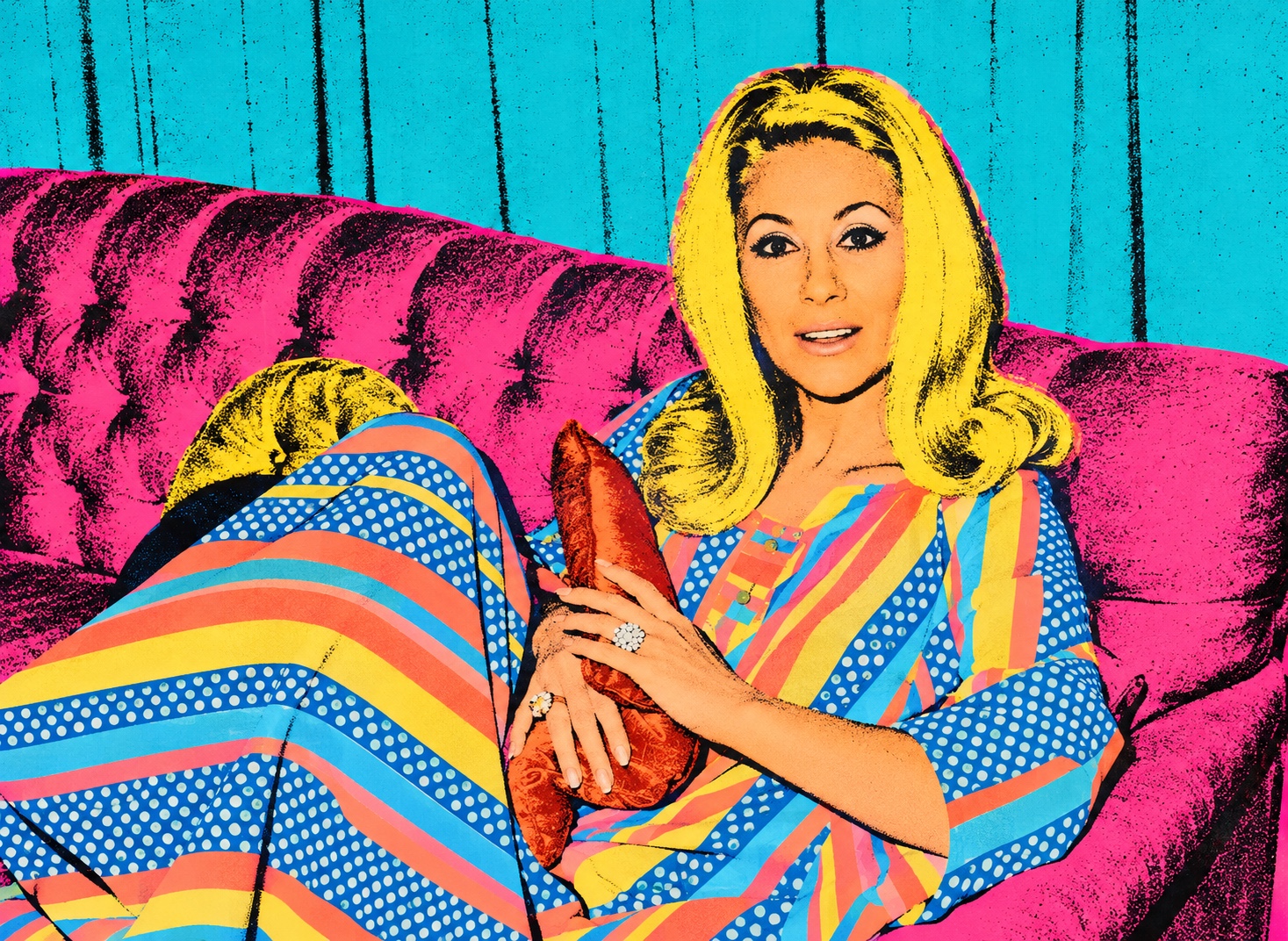
Then there is the artwork I have made from photographs of my grandmother Ivana Sue. A family photograph carries a particular responsibility because it is evidence of a real person. Artistic interpretation lets me approach that image differently: through color, repetition, composition, and the way I want to remember her. Those creative versions should remain clearly distinguishable from documentary restoration, where preserving the source controls the work.
I think that distinction belongs in this conversation. So do questions about training material, attribution, consent, and the livelihoods of artists. I can take those questions seriously and still find creative value in the medium. Calling something art does not settle every question about how it was produced.
I think about Photoshop and InDesign when people ask where the making happens. A tool can open possibilities without deciding what I want to say. I still have to decide what belongs in the picture, what needs to change, and when I am willing to put my name beside it.
What I can show is the work: the picture I kept changing, the imaginary spaces I kept refining, and the family images I approached with a different visual language. Someone else may dislike the result. That is part of putting art into the world.
I am going to keep making mine.