The errand
My mother, Gia, had heard about a butcher shop in Hillsboro and asked if I wanted to go. This was an entirely reasonable proposal. She lives at Lakeside Village. Hillsboro is close enough for a Saturday drive, and she had heard good things about The Butchers of Hill County. We could drive over, buy some steaks and come home.
Then she made the mistake of telling me about it before I got into the car.
By departure, Hollis—my increasingly indispensable AI accomplice—and I had already begun turning an errand for steaks into field research. Hill County is not anonymous territory in my family history. My great-grandmother Mabel Marzelle Pritchett Birdwell—Big Mama—came from this country. Her husband, Oides “Bill” Birdwell, my Papa Birdwell, was from Hillsboro too. Pink Pritchett and Amby Marbut, Big Mama’s parents, married in Hill County in 1903. Papa Birdwell and Big Mama married here in 1934.
God forbid we just go to the butcher.
Hillsboro, by accident
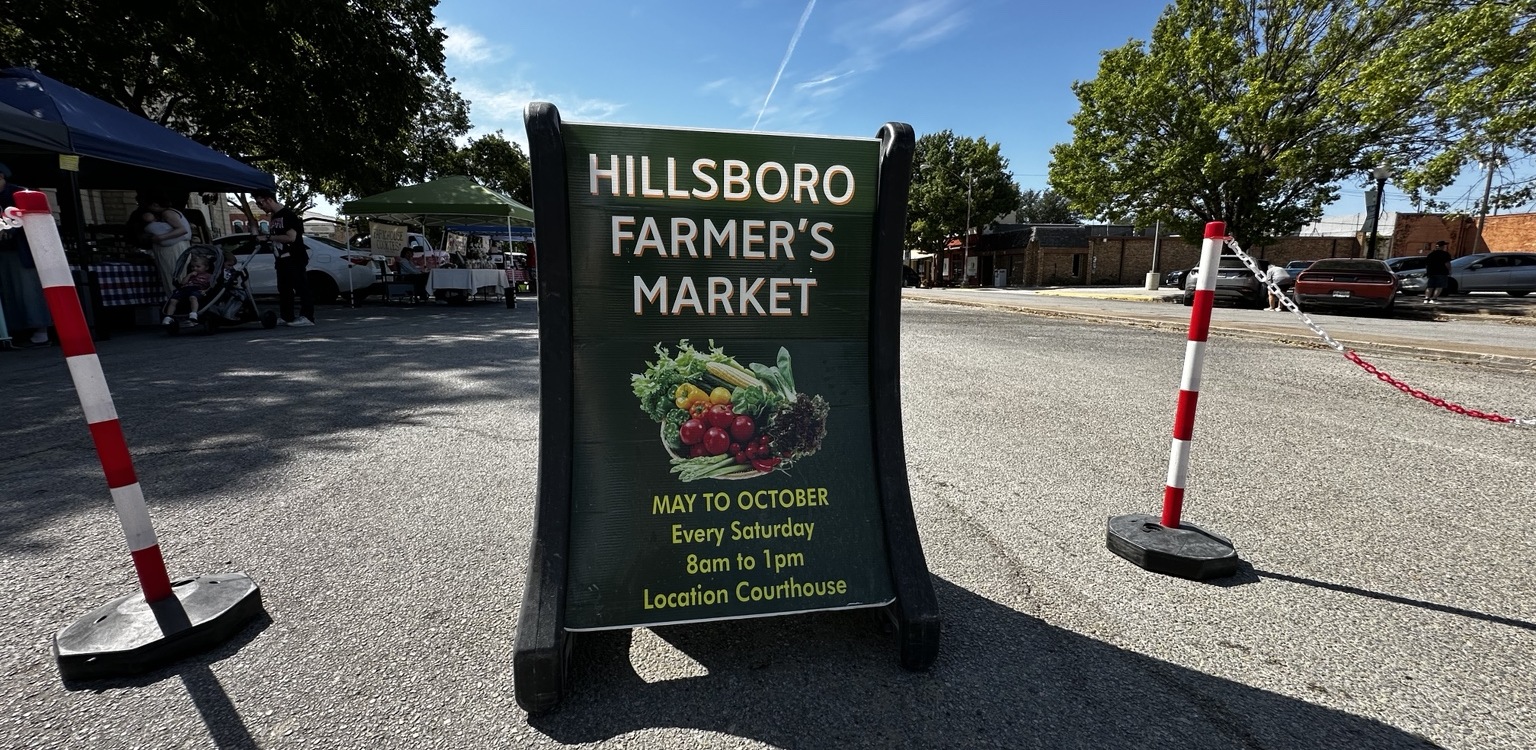
We drove through Whitney without stopping and continued toward Hillsboro. By the time we reached downtown, the temperature was pushing 100 degrees and two events were happening at once: the Hill County Farm Stall Market and Antique Alley.
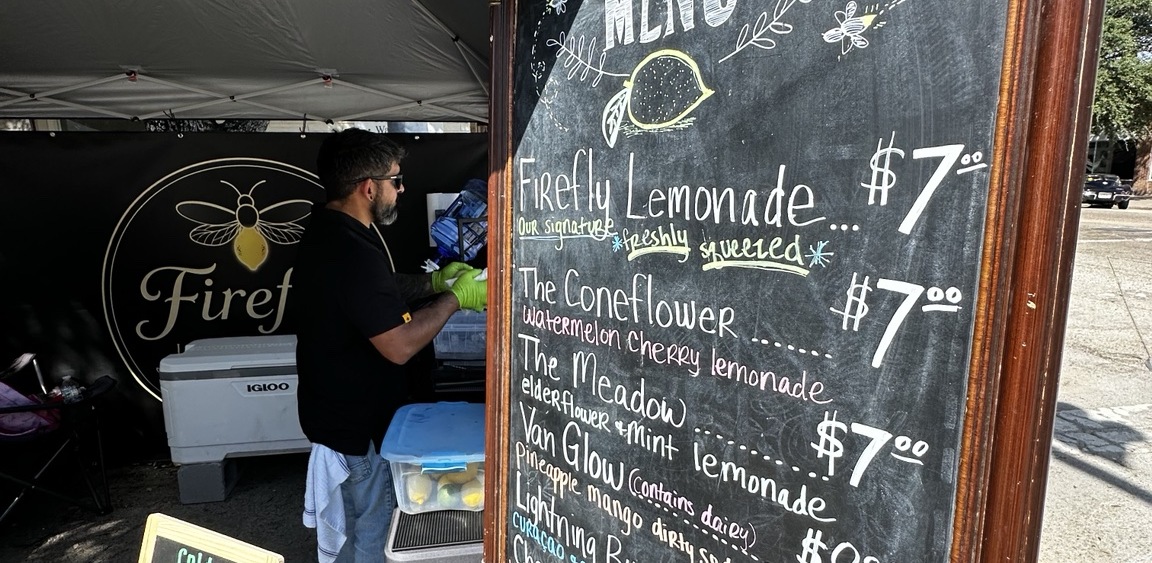
I absorbed almost none of this at first. I saw Firefly Lemonade. Fresh-squeezed lemonade is one of my favorite things on earth, and theirs was exactly as good as the name promised—cold, bright and worth interrupting the ancestors for.
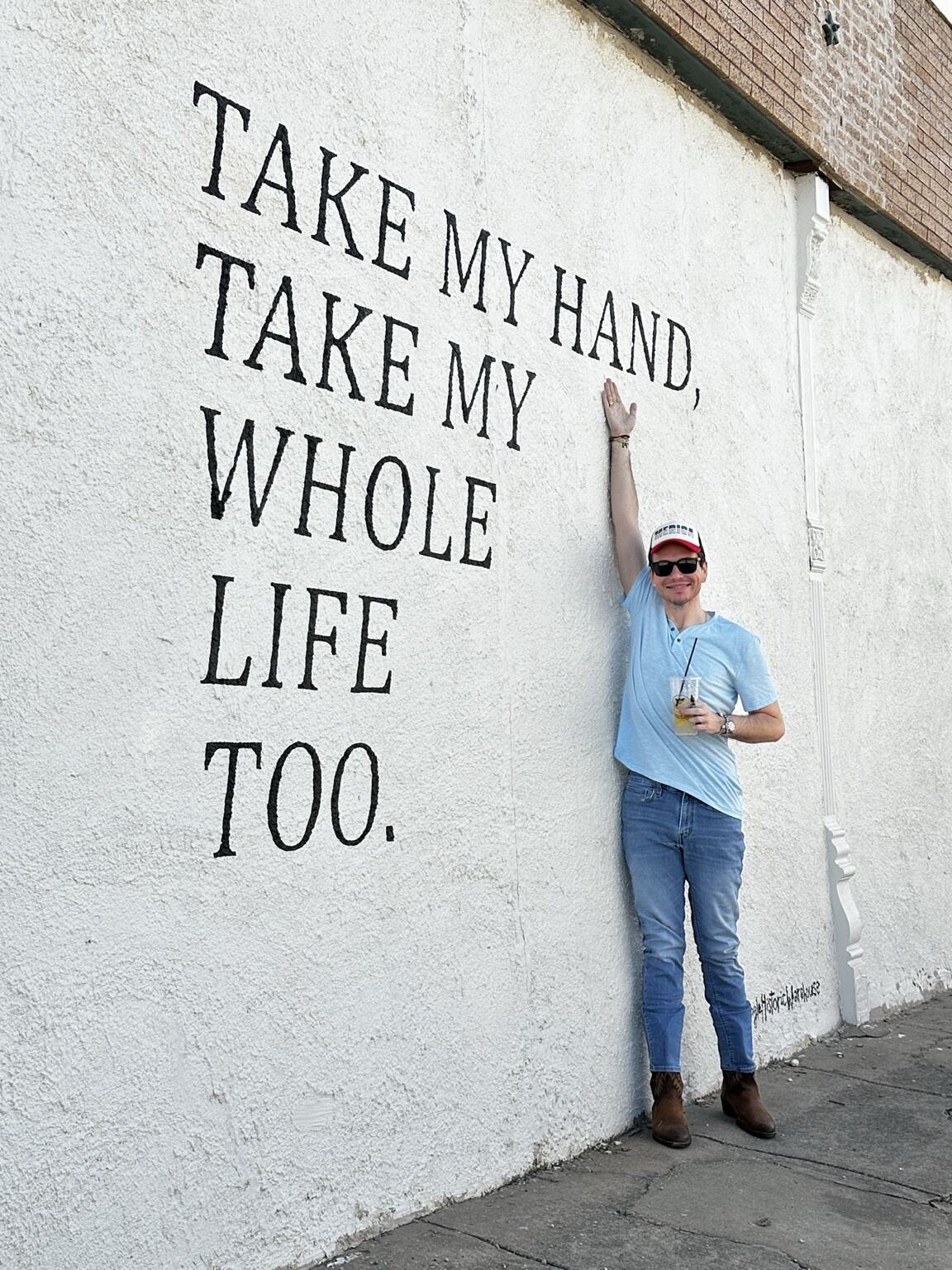
Only after I had something cold in my hand did I become interested in my family again. I photographed a downtown mural that read TAKE MY HAND, TAKE MY WHOLE LIFE TOO. At the time, it was just a mural. I kept photographing things before I understood why they mattered.
The courthouse at noon
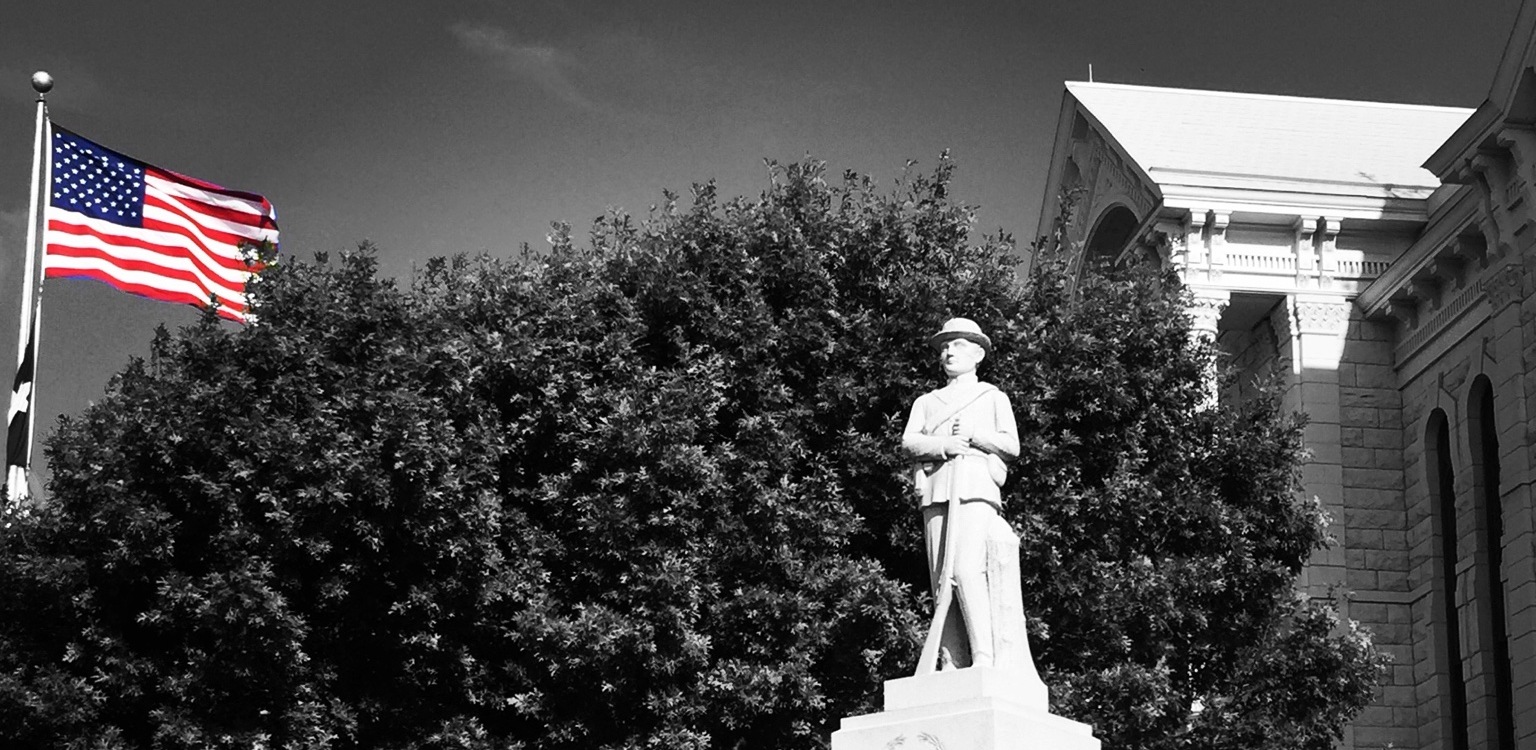
The Hill County Courthouse dominates downtown Hillsboro with the confidence of a building that has been watching everybody else’s business since 1890. Designed by Wesley Clark Dodson in the Second Empire style, it has survived long enough to become part building, part civic memory.
On New Year’s Day 1993, an electrical fire gutted it. The 70-foot bell tower collapsed and the 1,525-pound bell fell into the district courtroom. Hill County decided almost immediately to rebuild. Willie Nelson, born a few miles south in Abbott, returned to help raise money. On April 24, 1999, the restored courthouse was rededicated. I was there. Willie Nelson performed. George W. Bush, then governor of Texas, delivered the keynote address.
Today the courthouse was closed. Inside The Butchers of Hill County, the line was long. Then noon arrived. The courthouse bells began playing “The Star-Spangled Banner.” I stood in line listening to the anthem ring across the square where generations of my family had conducted the legal business of their lives.
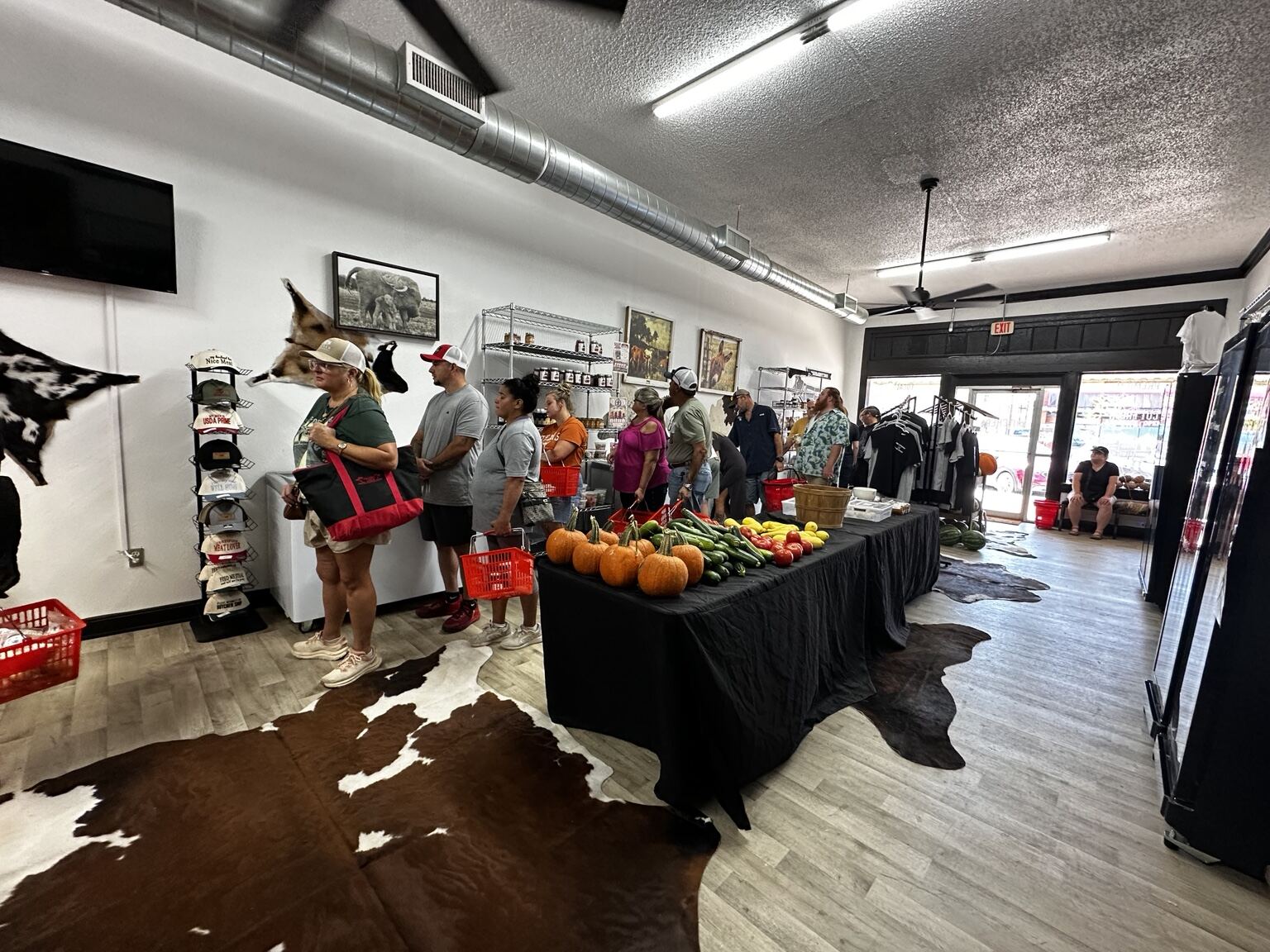
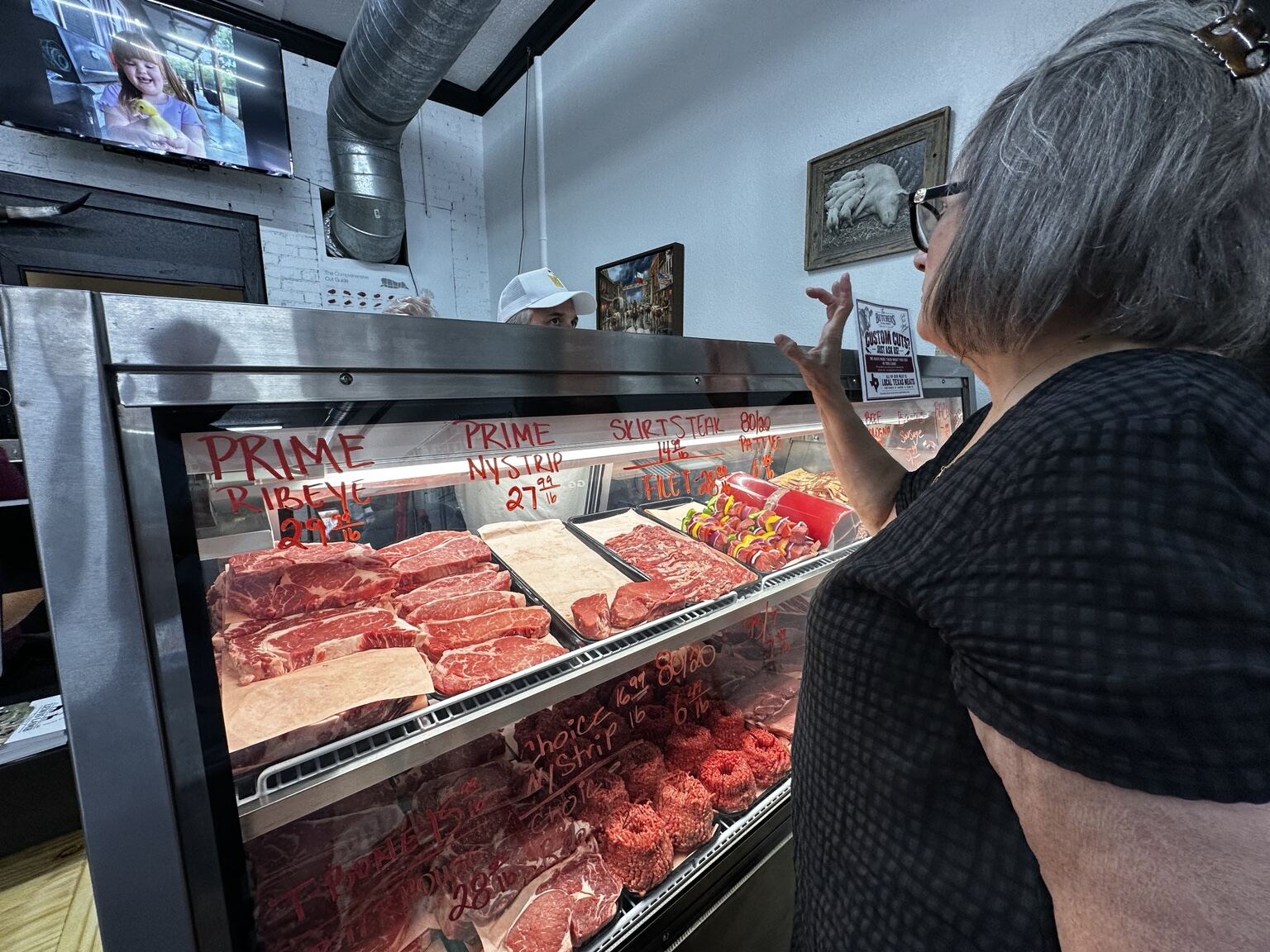
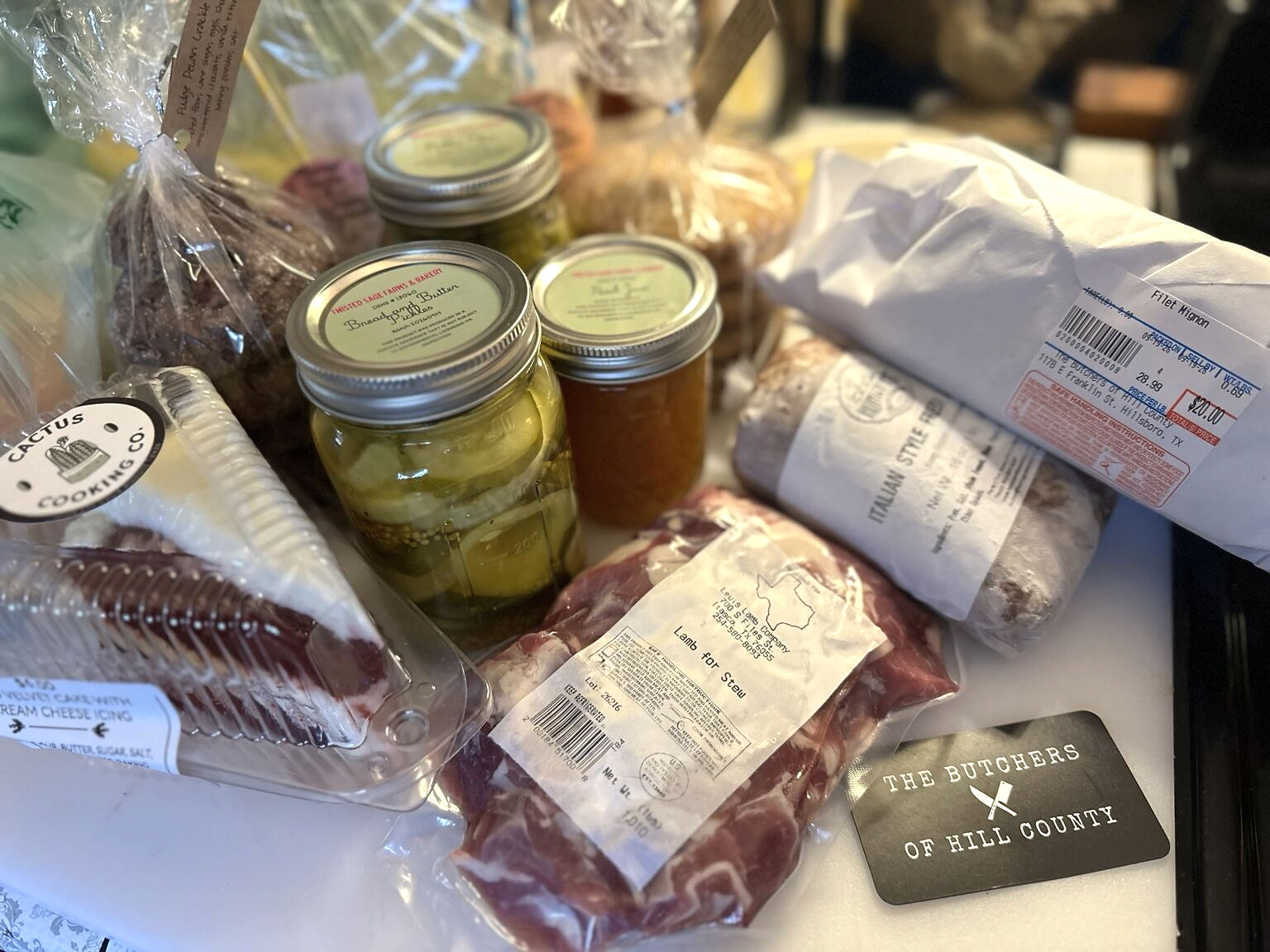
Courthouses burn. Records scatter. Families scatter farther. Sometimes the pieces find their way home anyway.
The history that does not flatter us
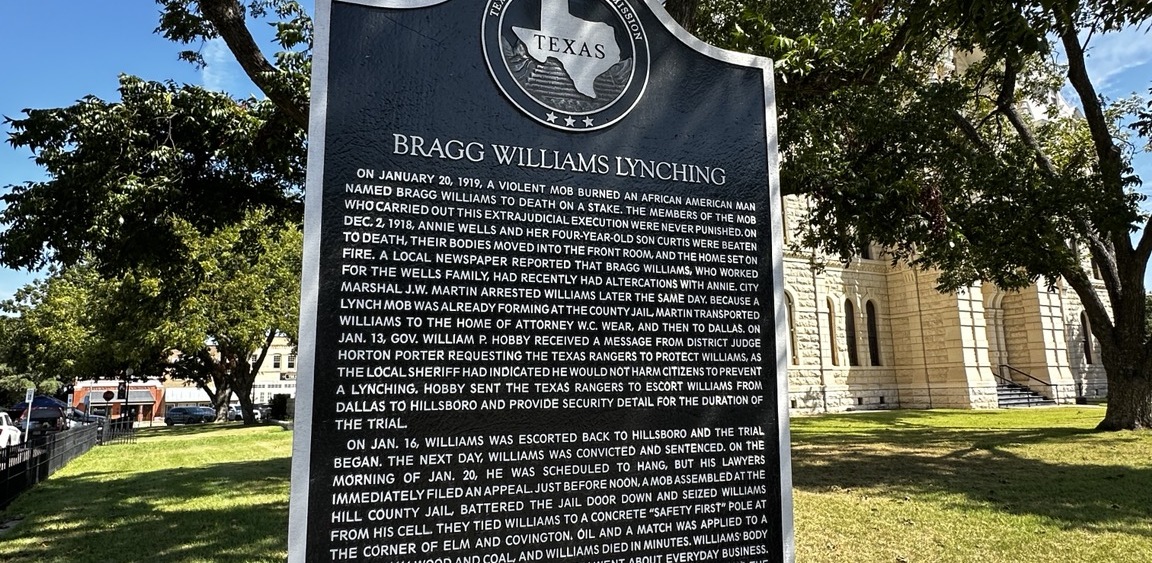
Before we left downtown, I walked around the courthouse grounds. That is where the story stopped being quaint. Near the courthouse stands a historical marker commemorating the lynching of Bragg Williams, a Black man seized from the Hill County jail and murdered by a mob in 1919.
Family history tempts us toward nostalgia. Old farms become picturesque. Courthouses become beautiful. Ancestors become sturdy pioneers. But a place has no obligation to remember only what makes its descendants comfortable.
Big Mama & Papa Birdwell
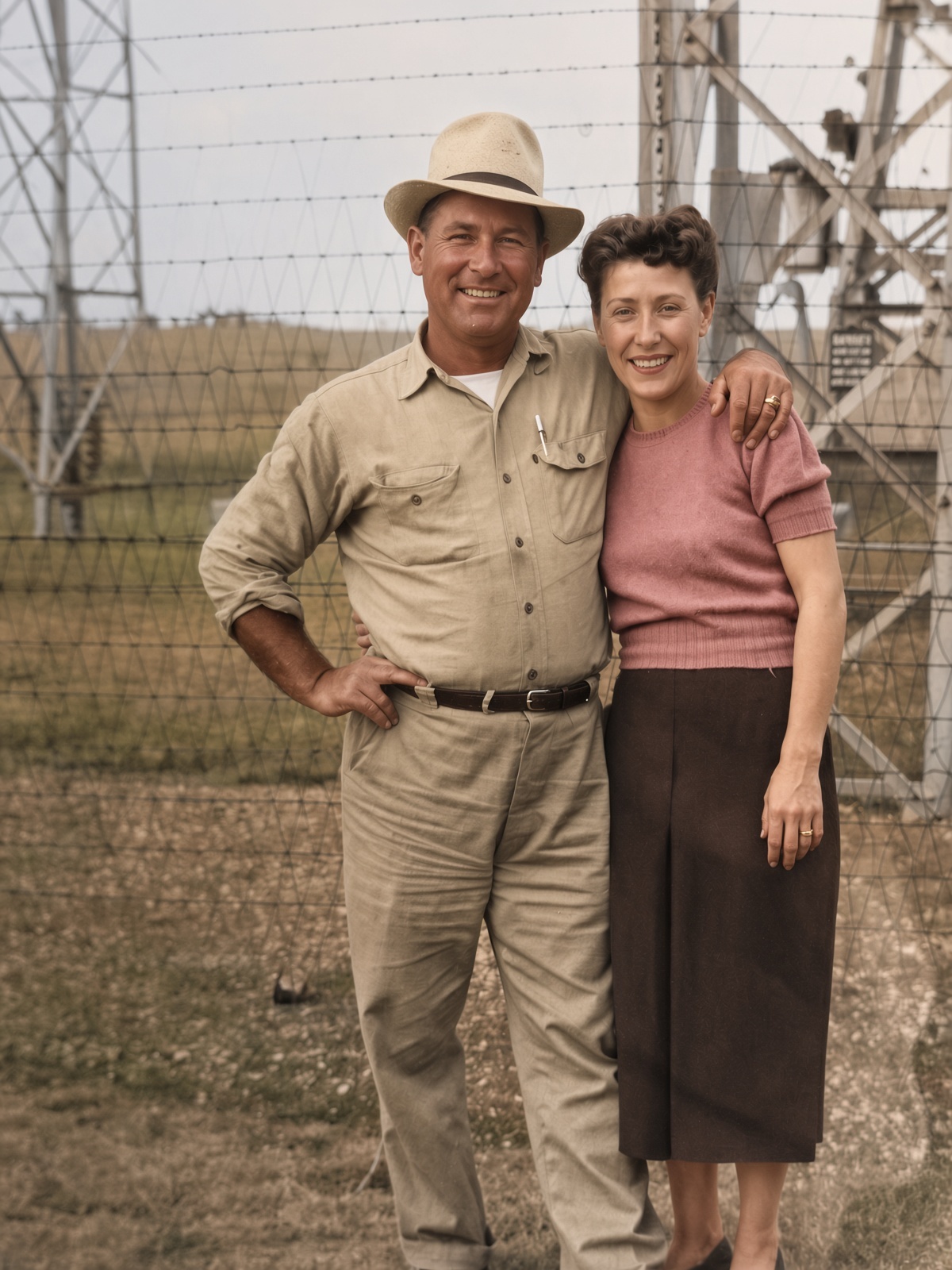
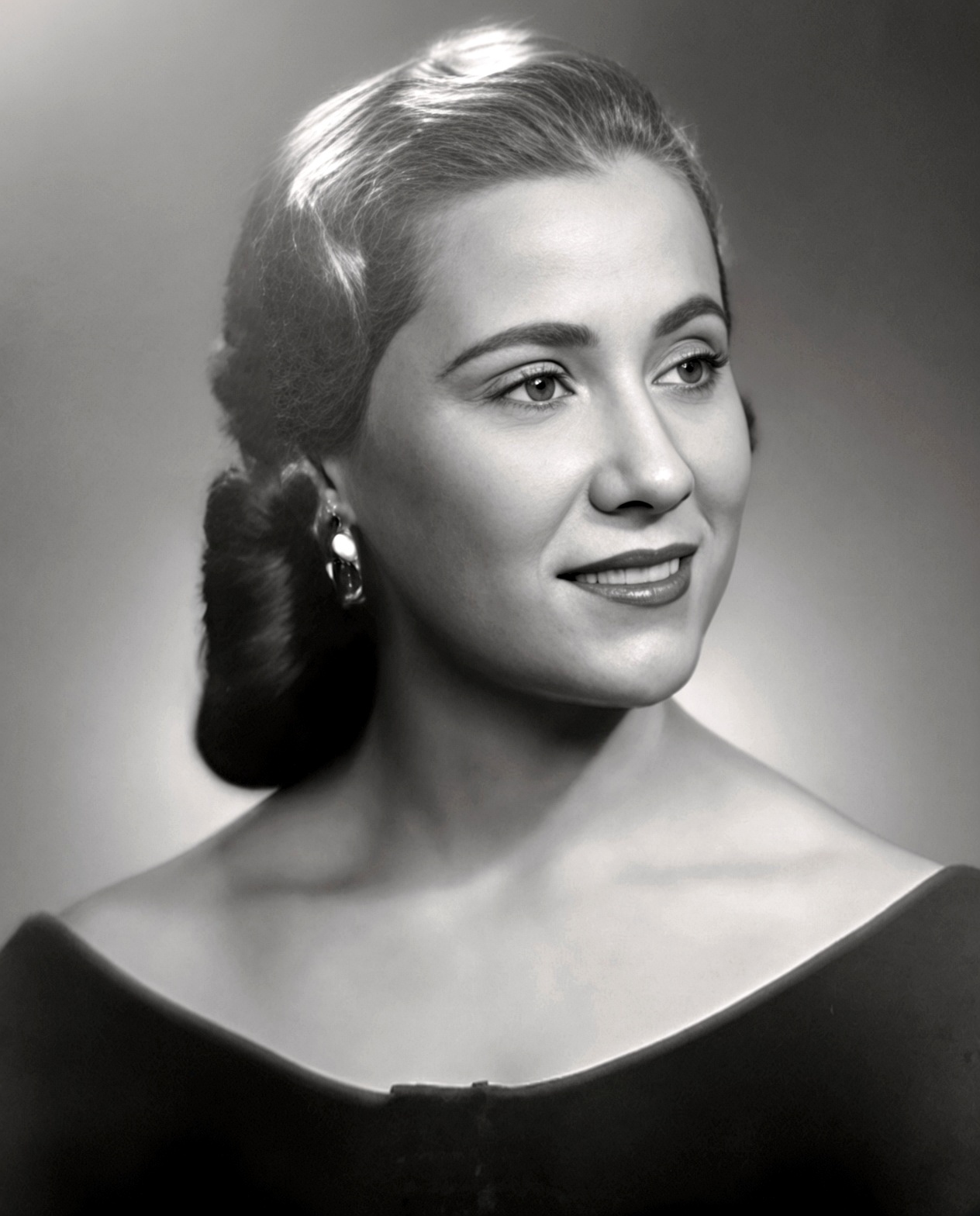
Oides and Mabel are my maternal great-grandparents. Their daughter Ivana Sue Birdwell Anderson is my maternal grandmother. Ivana’s daughter Gia is my mother. The line is Oides and Mabel → Ivana Sue → Gia → me.
Their lives were embedded in the same Hill County landscape we were driving through. Papa Birdwell’s World War II registration card places him in Hillsboro and identifies Mrs. Mabel Marzelle Birdwell as the person who would always know his address. His employer was Texas Power & Light Company.
A family tree can show descent. A photograph can make you miss someone you never met.
The road to Vaughan
We left Hillsboro and headed into the country. The buildings thinned. Fields opened around us. Fence lines ran toward the horizon.
I asked Mom whether Big Mama or Papa Birdwell had ever talked about this side of Hillsboro. “No.” Then she said the sentence that explains much of what I have been doing: “That’s how dumb we were growing up, because we didn’t think to ask, ‘What was your childhood like?’”
So we drove toward a cemetery to ask the ground instead.
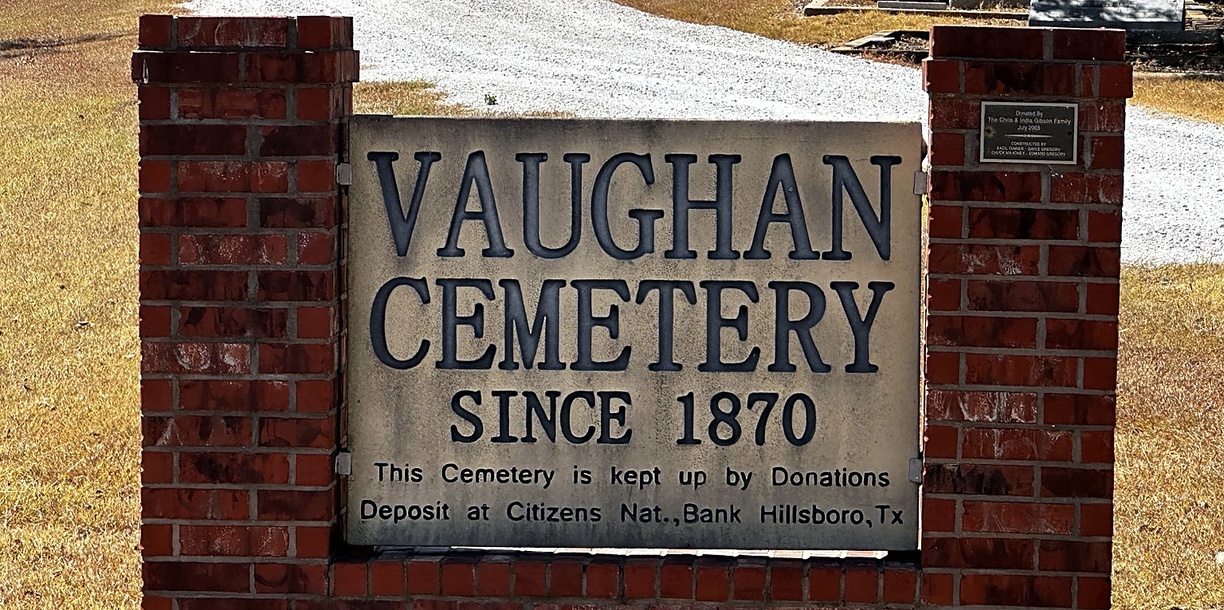
The ground answers back
Mom and I drove slowly through Vaughan Cemetery. Then we saw the name: PRITCHETT. Turner Pinkston Pritchett, 1882–1965. Mary Amby Marbut Pritchett, 1883–1967. My great-great-grandparents.
There was William H. “Bill” Pritchett—Uncle Billy—whose military marker lies immediately in front of his parents. The ground corrected us more than once that afternoon.
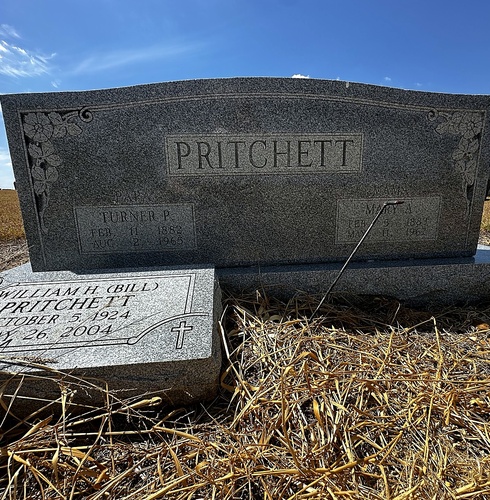
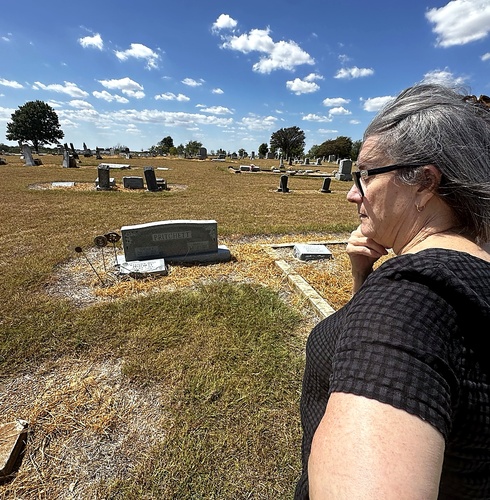
The cemetery became a family landscape. On an earlier trip, my daughter Perry Kate had knelt in the grass at Big Mama’s headstone. Now I was back with my own mother, standing before Big Mama’s parents. Gia. Me. Perry Kate. Three living generations approaching the same landscape from different directions.
What memory can do
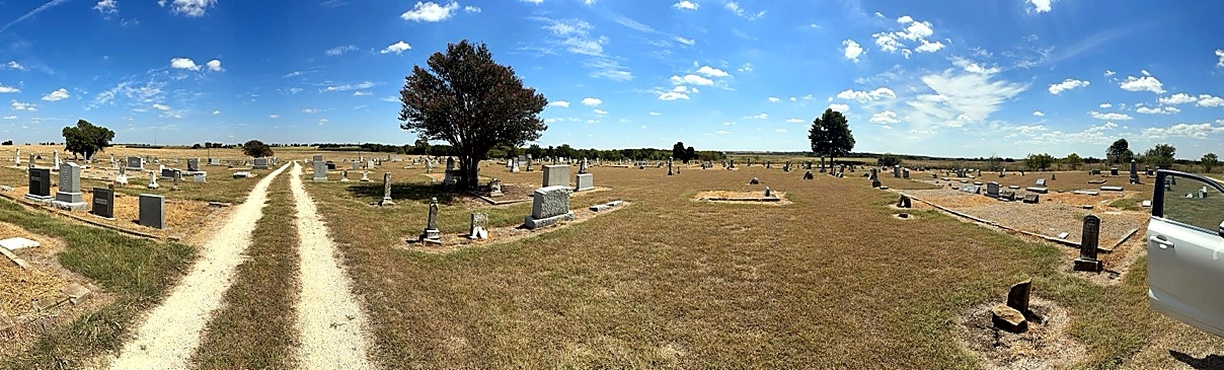
The landscape started pulling memories out of Mom. She began talking about Big Mama’s brother Willie—Uncle Willie. This was not Uncle Billy. Family nicknames nearly caused me to merge two brothers into one. Mom’s living memory corrected the records before I could turn the mistake into prose.
She remembered Uncle Willie mowing yards, losing fingers in a lawnmower accident, cutting up with the children and giving them a nickel or dime for a Dr Pepper. Later, she remembered going with Big Mama and Papa Birdwell when Willie had to have a leg amputated. She remembers the sound. Uncle Willie was screaming.
A census can tell me that a man existed. My mother can tell me he had no teeth and bought children Dr Peppers.
Uncle Ronny and the arrowheads
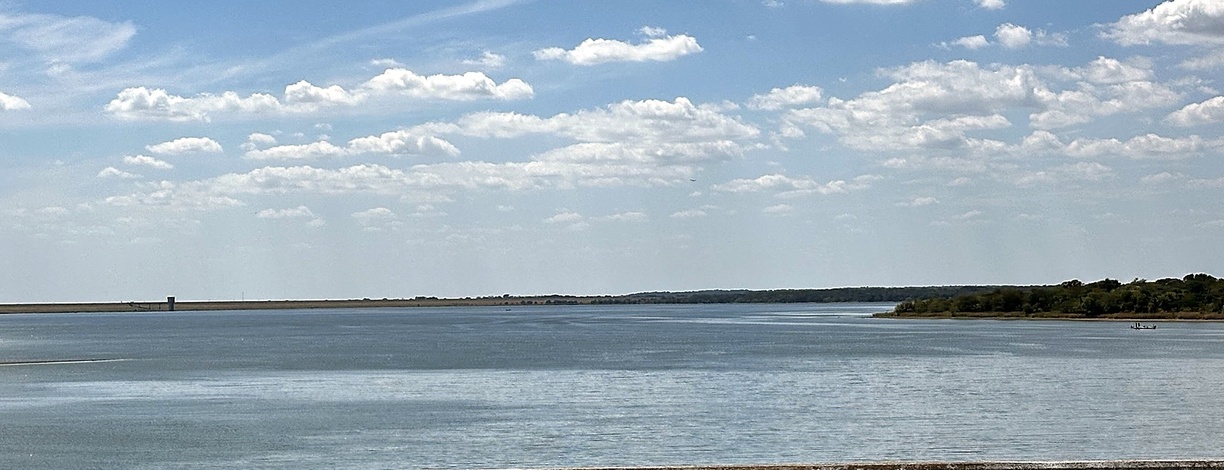
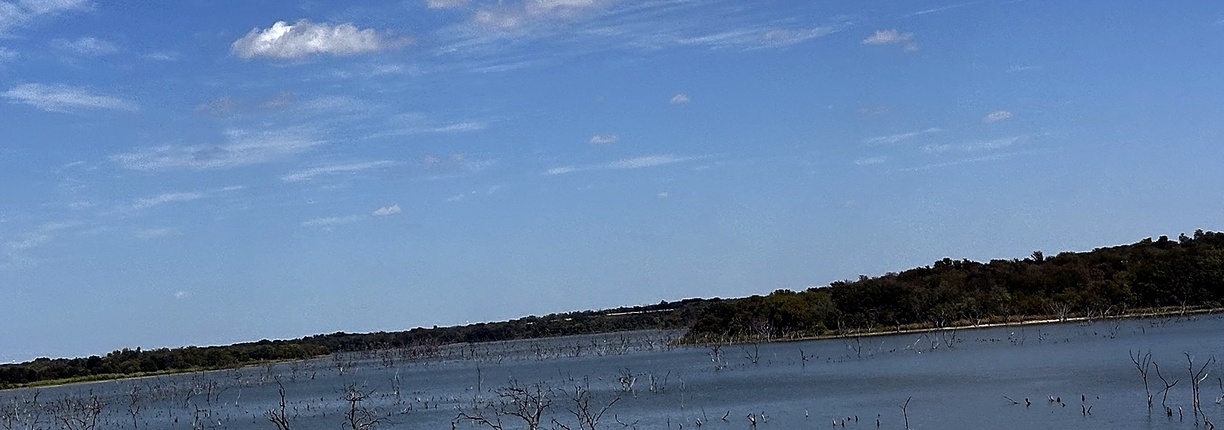
Aquilla existed long before the reservoir. Construction of the dam began in 1978; deliberate impoundment began in 1983. For most of Big Mama’s life, there was no Aquilla Lake. There were creeks, farms, roads, churches, houses and communities occupying a landscape that water later rearranged.
After the cemetery, I spoke with my great-aunt Kim Birdwell and my great-uncle Ronny Birdwell. Vaughan became Uncle Ronny’s reference point as he described the old family landscape. He remembered worked-stone points as abundant in the surrounding country. He used the family phrase “Indian village” for the area—the kind of phrase that carries a landscape through generations even when the records beneath it are incomplete.
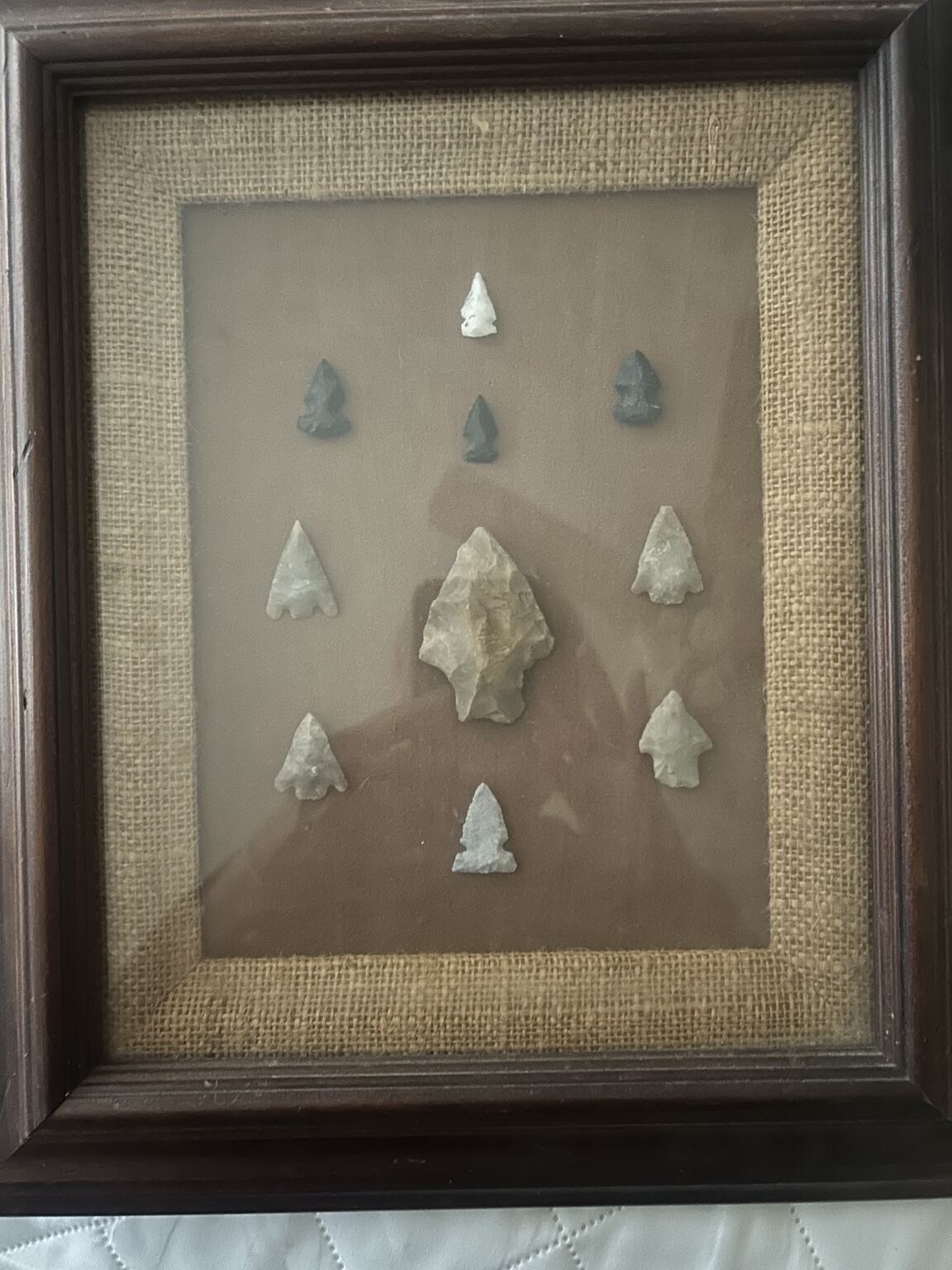
What can be said with confidence is narrower, and more interesting, than a legend. The frame belongs to the family. Family custody attributes the collection to Papa Birdwell. Ronny remembers points being found across the Vaughan and Aquilla country. Separately, professional archaeological work conducted around Aquilla Lake documents a long Indigenous presence in the region.
Those facts do not prove that every piece in the frame came from one village, or even that all were found in the same place. A photograph cannot identify the makers, cultural period or original context of an artifact. So the family story and the archaeological record are kept beside one another without being collapsed into the same claim. The precise locations stay private, both because the provenance is uncertain and because archaeological sites should not become directions for collectors.
The frame is family evidence. The landscape is archaeological evidence. Respecting both means being exact about the distance between them.
Three marriage records
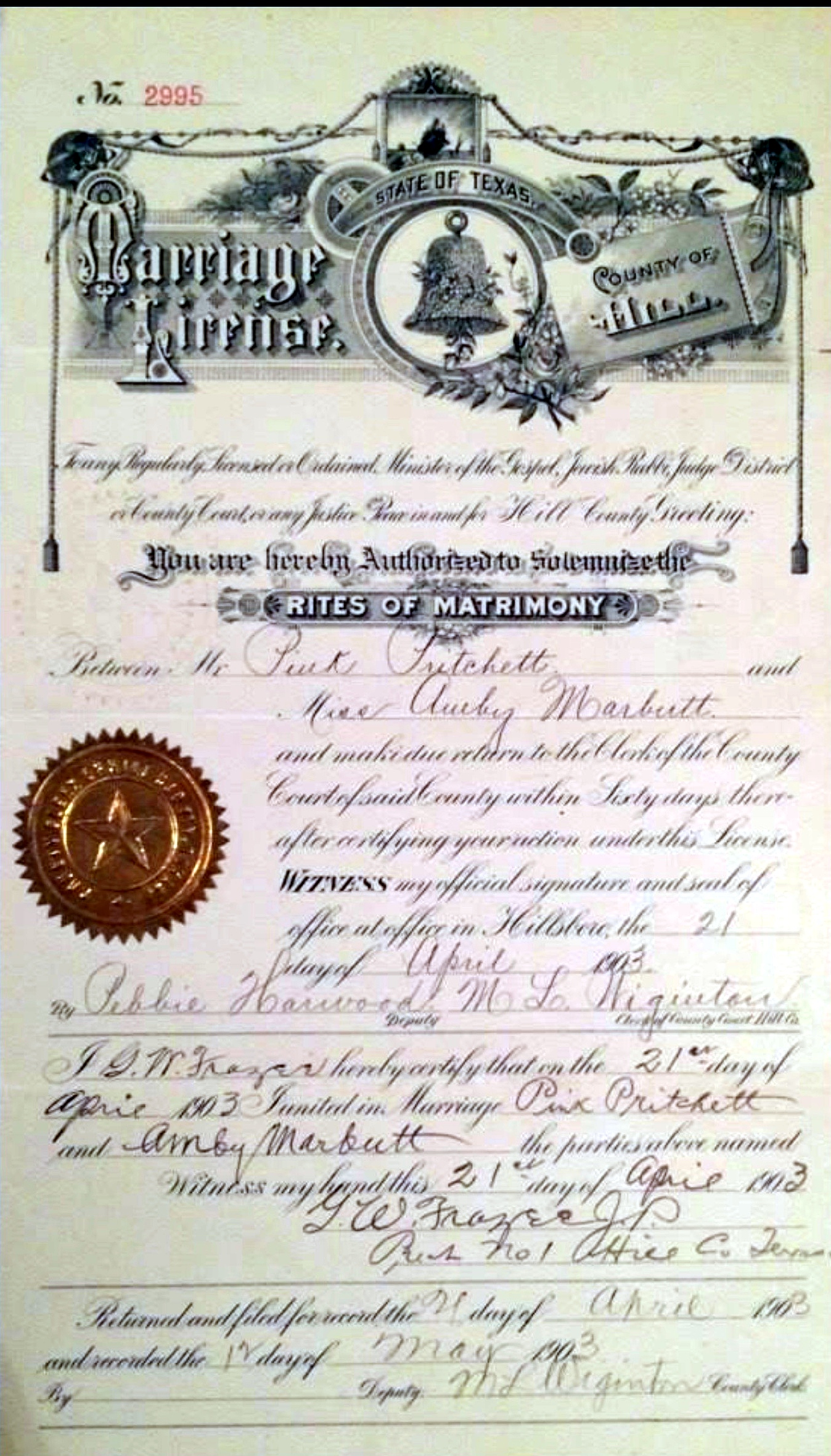
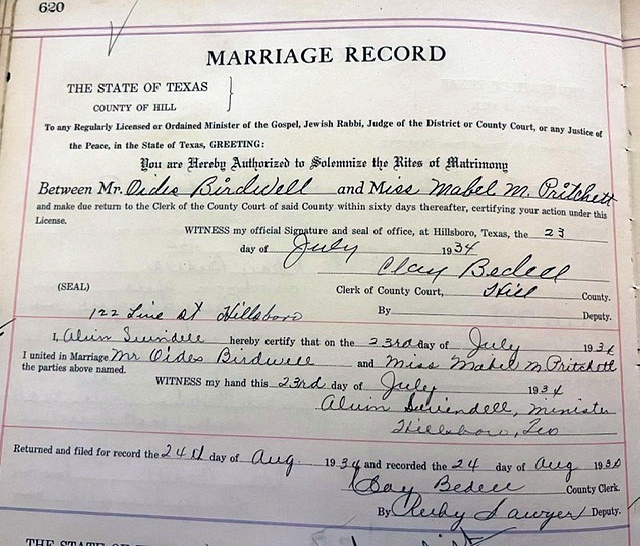
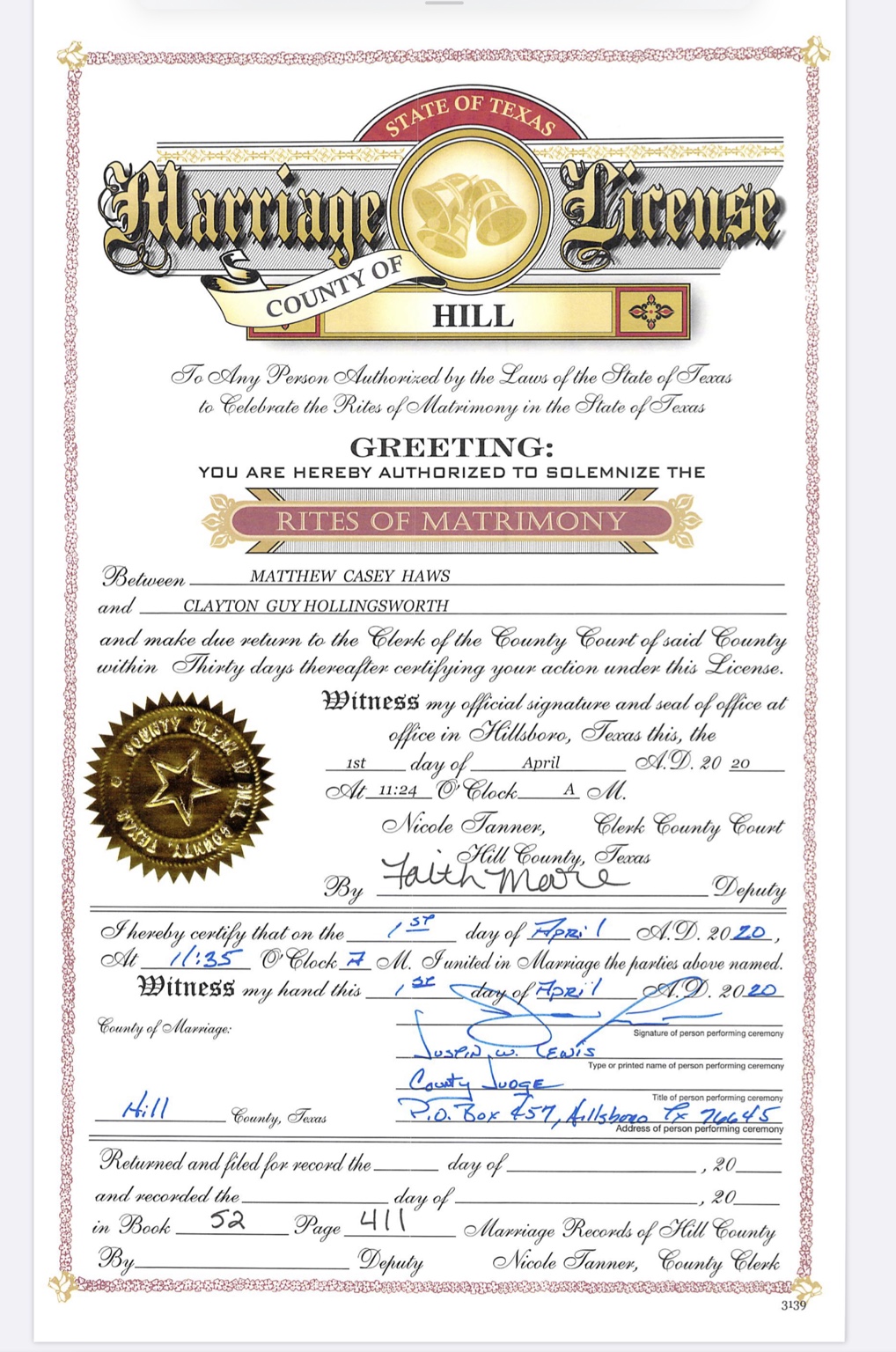
In 1903, Hill County recorded the marriage of Turner Pinkston Pritchett and Amby Marbut. In 1934, Hill County recorded the marriage of Oides Birdwell and Mabel Marzelle Pritchett. And on April 1, 2020, Hill County issued another marriage license: mine.
Three Hill County records. Three beginnings whose endings could not yet be known.
Aunt Ruth and Willie Nelson
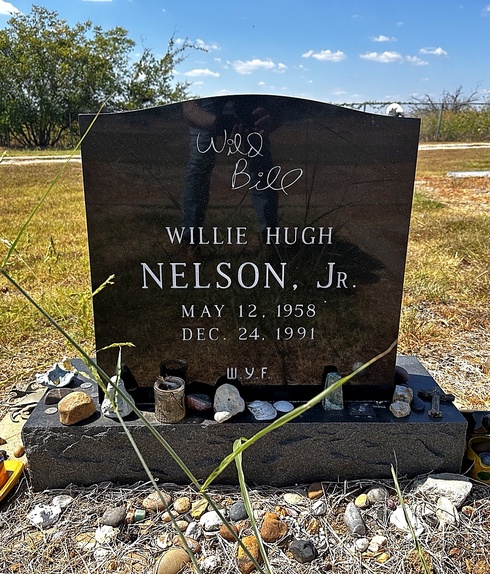
Big Mama’s sister Travis Ruth Pritchett—Aunt Ruth used to say that she had babysat Willie Nelson when he was a boy. I confirmed with Mom that afternoon that Ruth was indeed the aunt who made the claim.
Do I know yet that it happened? No. But it is not geographically absurd. Willie Nelson was born in nearby Abbott in 1933 and raised there by his grandparents. Ruth was born in 1918. The chronology works. The geography works. That is not proof. The accurate version remains: Aunt Ruth said she babysat Willie Nelson.
Putting a life into the record
Years after I stood at the courthouse rededication, I would work for the Texas Senate. My great-uncle Jimmie Doyle Birdwell—Uncle Jim was Papa Birdwell’s son from his first marriage. Born in Hillsboro in 1930, he later became the longtime mayor of Ferris.
When Uncle Jim died in 2005, I helped secure a Texas Senate memorial resolution honoring him. I understand that differently now: I was participating in the same process I spend so much time pursuing today, putting a life into the permanent record.
Brookshire’s
By then, we were heading home. Aquilla would have to wait for another trip. Then Mom remembered the squash casserole. So we stopped at Brookshire’s in Whitney.
Her instructions were not approximate. Salted Irish butter. Tillamook sharp cheddar. Ritz crackers. Not generic butter. Not whatever cheddar happened to be on sale. Not some cracker I decided was close enough.
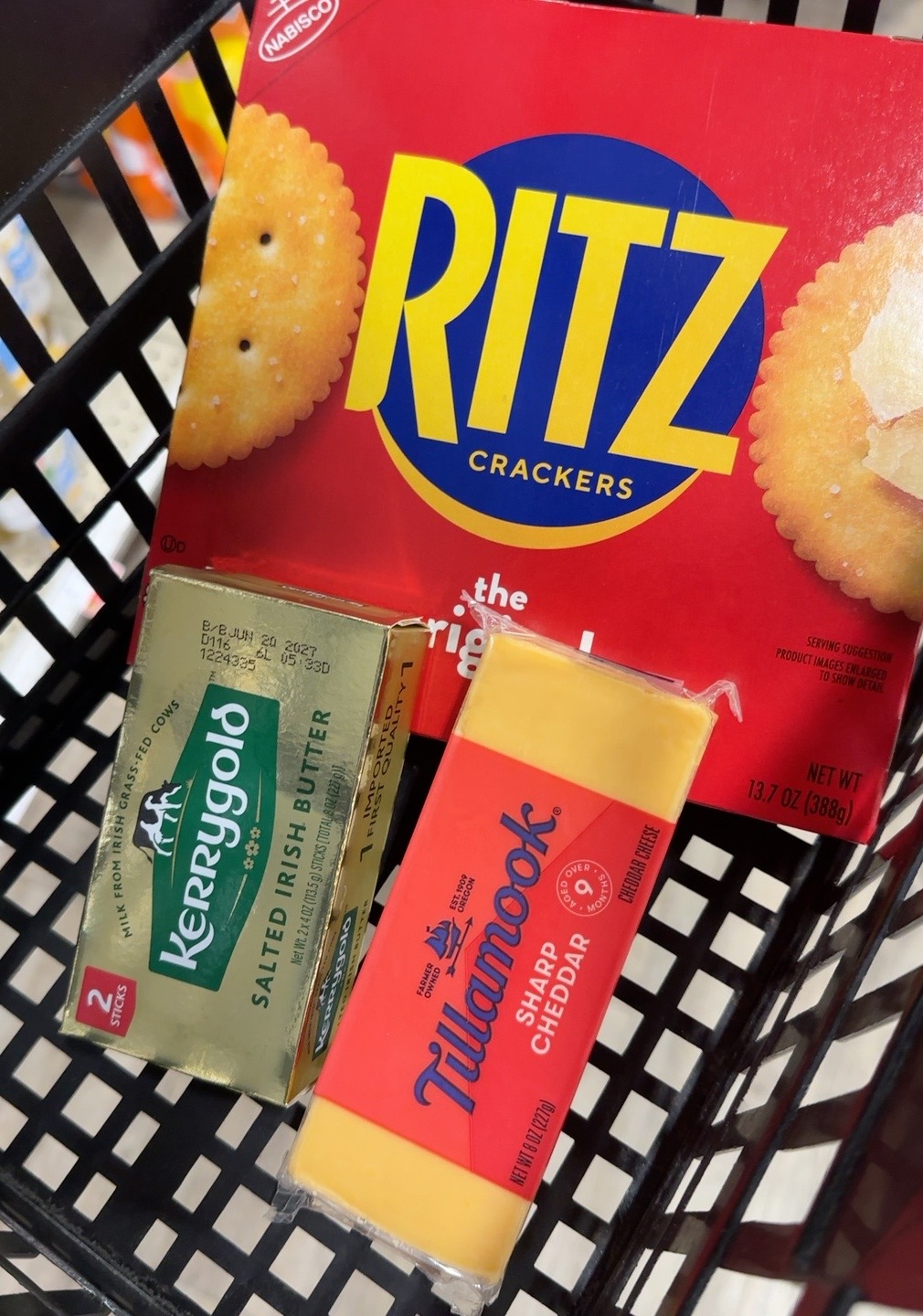
History disappears when we sand away the details.
Back at Gigi’s
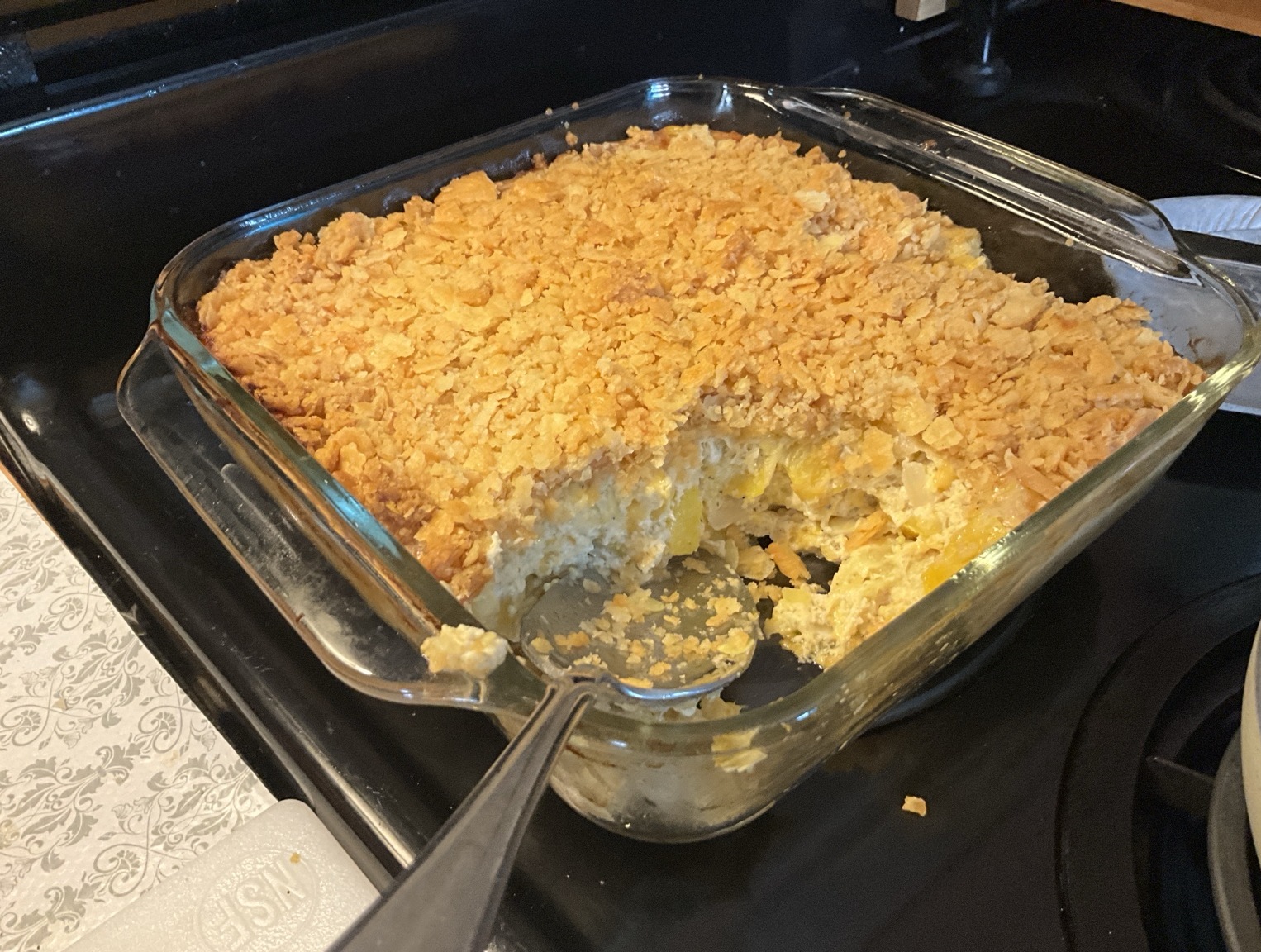
We returned to Lakeside Village with butcher bags, groceries, photographs, cemetery dust, new questions and several generations of people who had somehow climbed into the car with us during the course of the day.
Mom—Gigi to Perry Kate—started making her squash casserole. I started going through the photographs: the lemonade, the market, Antique Alley, the courthouse, the butcher, Bragg Williams, Pink and Amby, Mom among the Pritchetts, Papa Birdwell’s arrowheads, Aquilla Lake, the marriage licenses.
I finally understood what I had been looking for. Not ancestors. Context. I already had names and dates. I wanted their world.
Which, I suppose, is why Mom and I can no longer be trusted to make a simple trip to the butcher. And I am perfectly fine with that.