Genealogy has excellent reveal shots and terrible behind-the-scenes footage.
The reveal is a name, a photograph or the satisfying moment when a DNA match lands on the correct branch. The work before it is less cinematic: color coding, comparing shared matches, separating maternal from paternal lines, checking the same dates twice and learning that a promising surname married into three unrelated families.
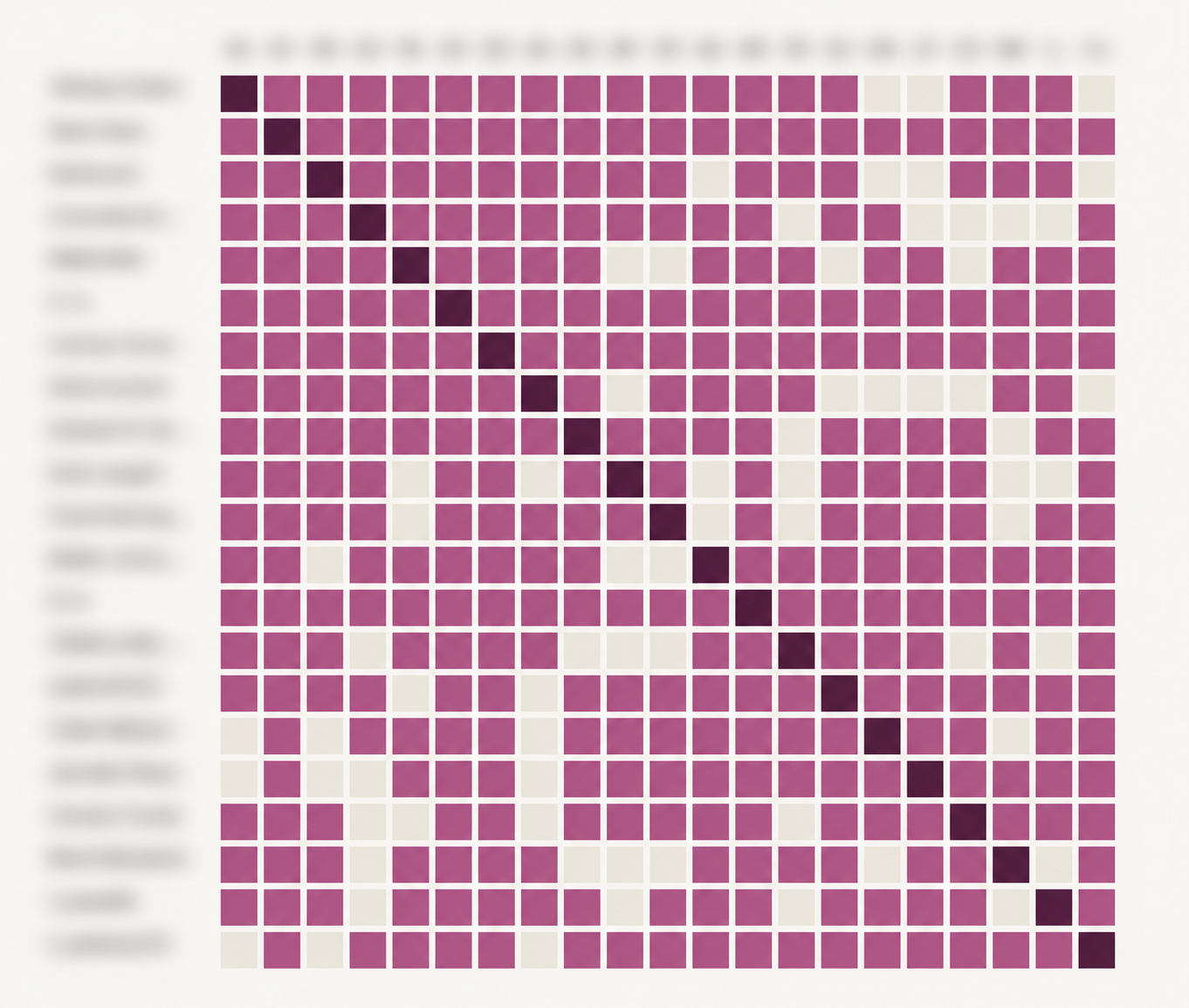
I built an Ancestry cluster to isolate genetic material from a specific branch of my maternal line. The chart looks like a particularly anxious seating plan. Names have been blurred here because living people are evidence, not content.
The relationship is no longer a vague label. Phillip Henry Marbut, born in 1853 and dead by 1921, is my maternal third-great-grandfather: father of my second-great-grandmother Mary Amby Marbut; grandfather of my great-grandmother Mabel Marzelle Pritchett; great-grandfather of my maternal grandmother Ivana Sue Birdwell Anderson; and ancestor of my mother, Gia Anderson Hollingsworth, and me.
That path matters because a DNA cluster is not a magic surname detector. It becomes useful only when shared matches can be placed against a documented working line. The family tree supplied the proposed spine—Phillip Henry to Mary Amby to Mabel to Ivana Sue—while the cluster helped test whether living genetic relationships gathered around the same branch.
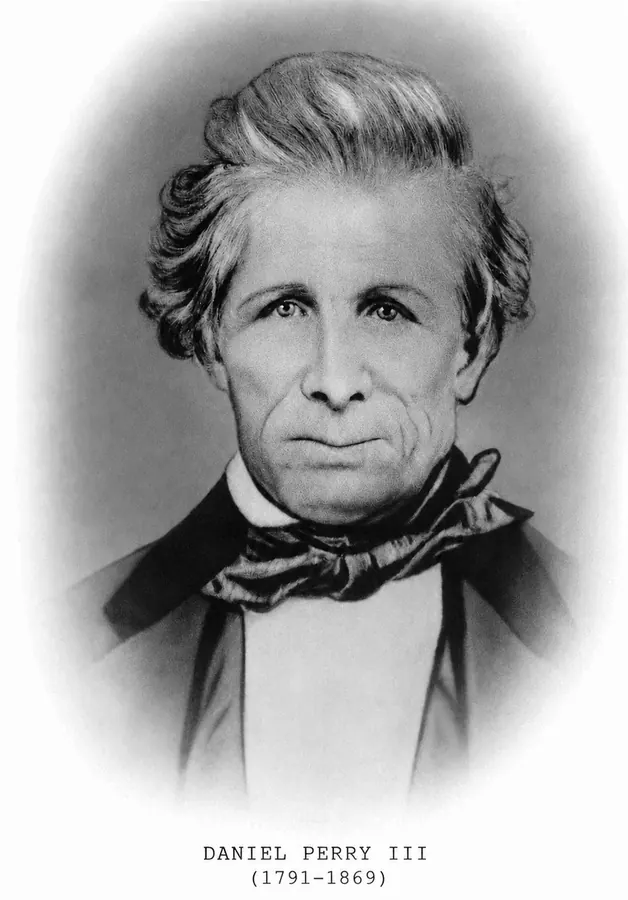
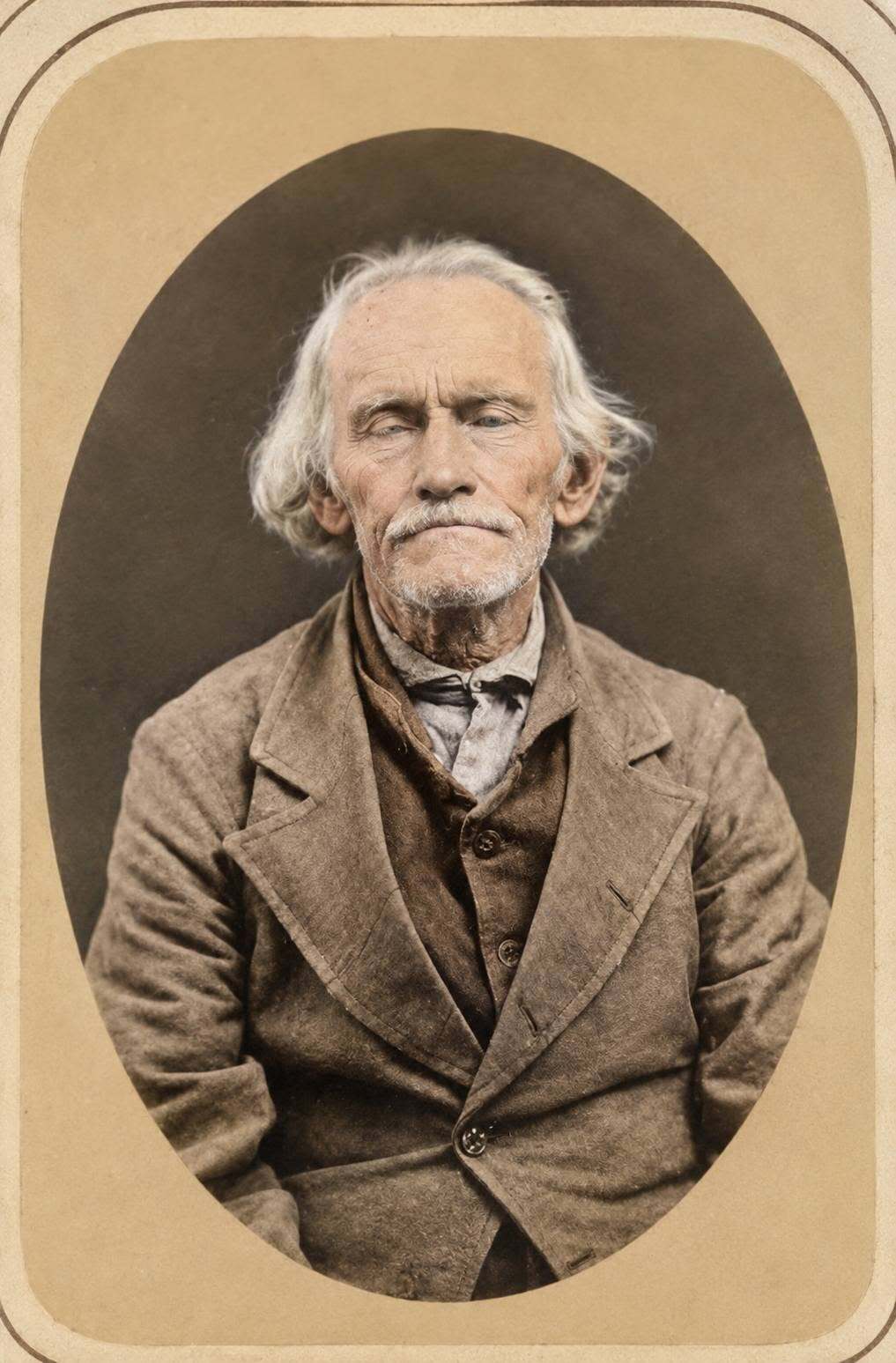
Beside the chart sits a portrait of Phillip Henry Marbut, probably photographed around 1910–1920. The camera preserved his coat, white hair and one eye closed more firmly than the other. Restoration had one job: make the surviving information easier to see without giving my third-great-grandfather a face he never had.
The cluster and the portrait are different kinds of record. One is relational and modern; the other visual and old. Neither solves the family alone. Together, they narrow the question—and make visible a little of the work nobody sees.
The lesson reaches beyond genealogy. Evidence becomes trustworthy through the quiet disciplines around it: name the relationship, record the source, protect living people, check names against documentary evidence and leave a conclusion open to revision. The discovery may be emotional. The method still has to be calm.
That work has changed how I approach everything else. A political memory, a charitable institution and a family story all become more trustworthy when somebody records the method, protects the living and leaves room for a conclusion to change. The lesson is not merely patience. It is humility with a filing system.
A family discovery may arrive in an instant. It usually traveled through a hundred quiet decisions first.