One discovery changed how I think about my grandmother: a handwritten school paper she wrote on hypnosis. Titled “Health Theme — Hypnosis,” it reflects her interest in hypnosis in the 1950s. Long before I began studying her life, she was studying the human mind.
She did something more ambitious than collect a few curiosities. She organized an outline and bibliography and explored the history of hypnotism, including figures associated with early theories of magnetism and suggestion. She drew on encyclopedias, magazines, and newspapers from her era, bringing together ideas that demanded far more thought than a routine school assignment.
The breadth is what stays with me: suggestion, memory, post-hypnotic behavior, amnesia, regression, and the ways a person might experience or respond to suggestion. Her research also considered possible uses of hypnosis in surgery, dentistry, childbirth, and the relief of pain. She also considered wider questions about faith healing, crowds, childhood, and free will. I see in those choices a young woman willing to examine difficult ideas, not simply accept them.
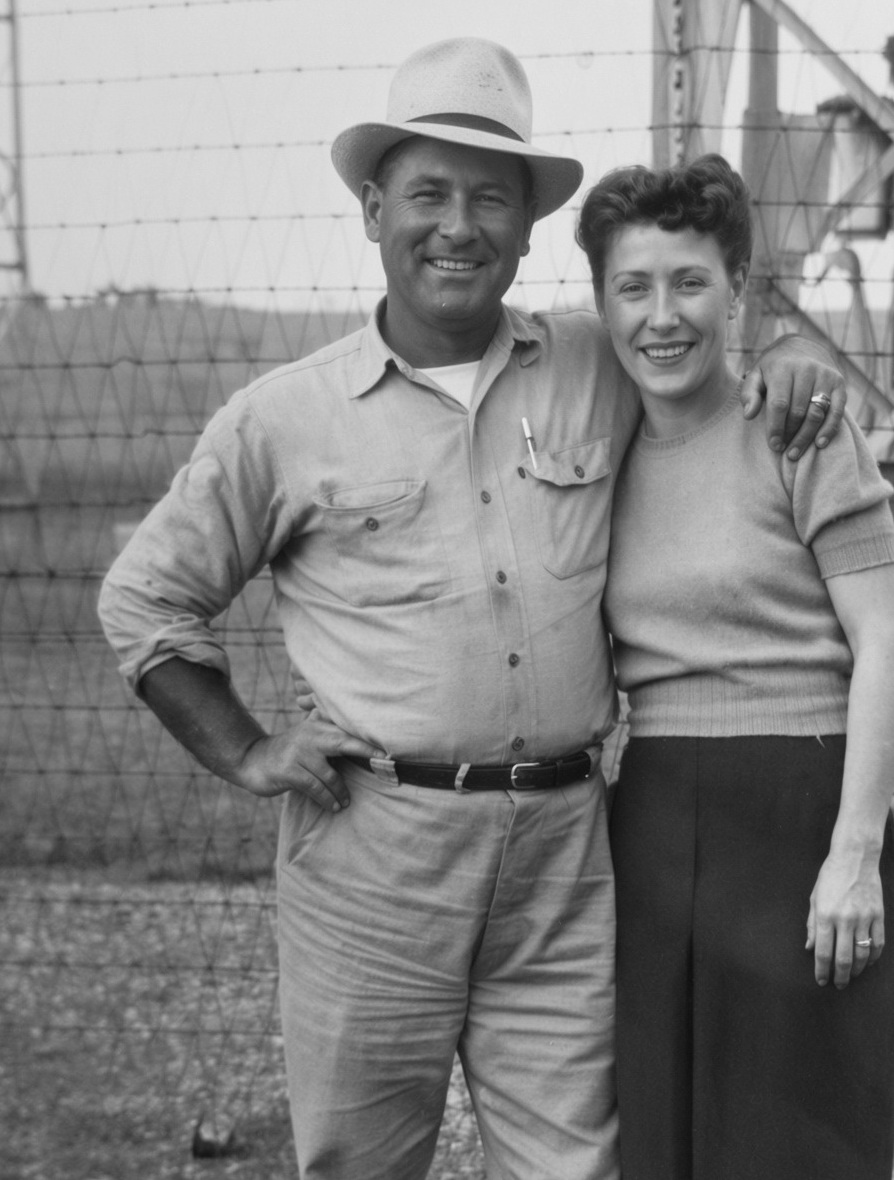
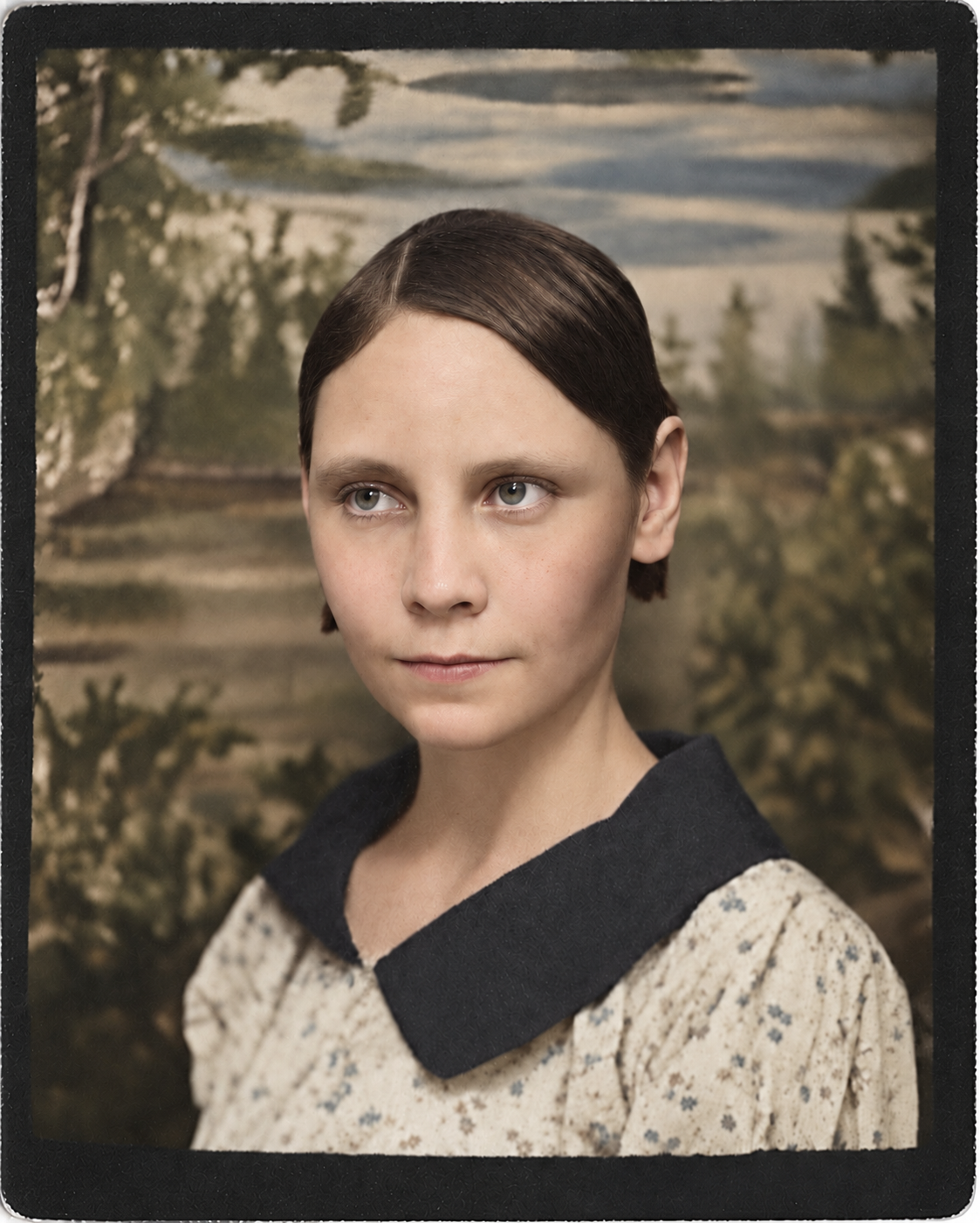
I picture a young Birdwell woman in the 1950s assembling this research and testing ideas about consciousness, medicine, and human behavior. It is tempting to describe her as ahead of her time. I see the intelligence, curiosity, and ambition of a young woman who was thinking well beyond the boundaries people might have expected of her.
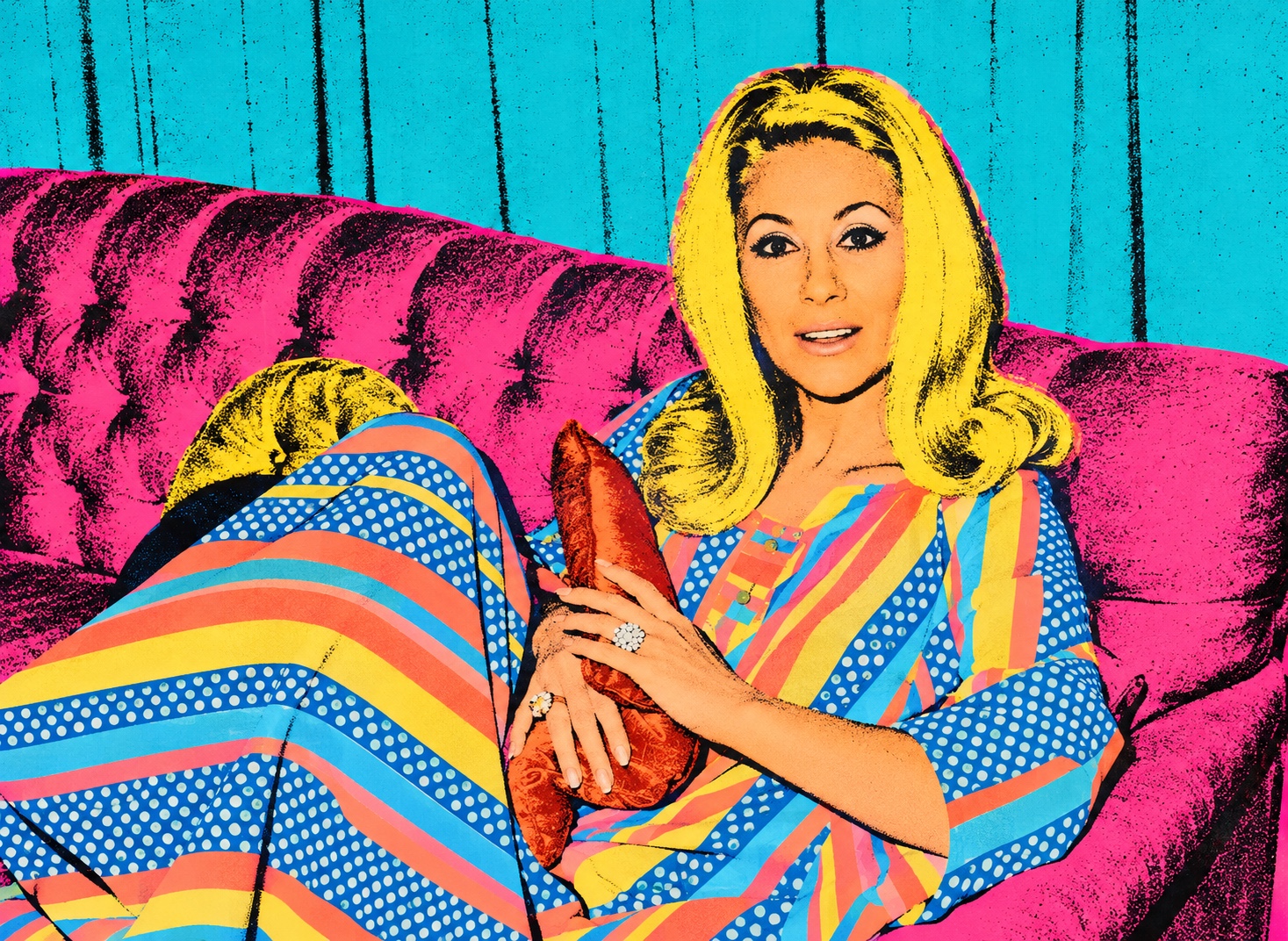
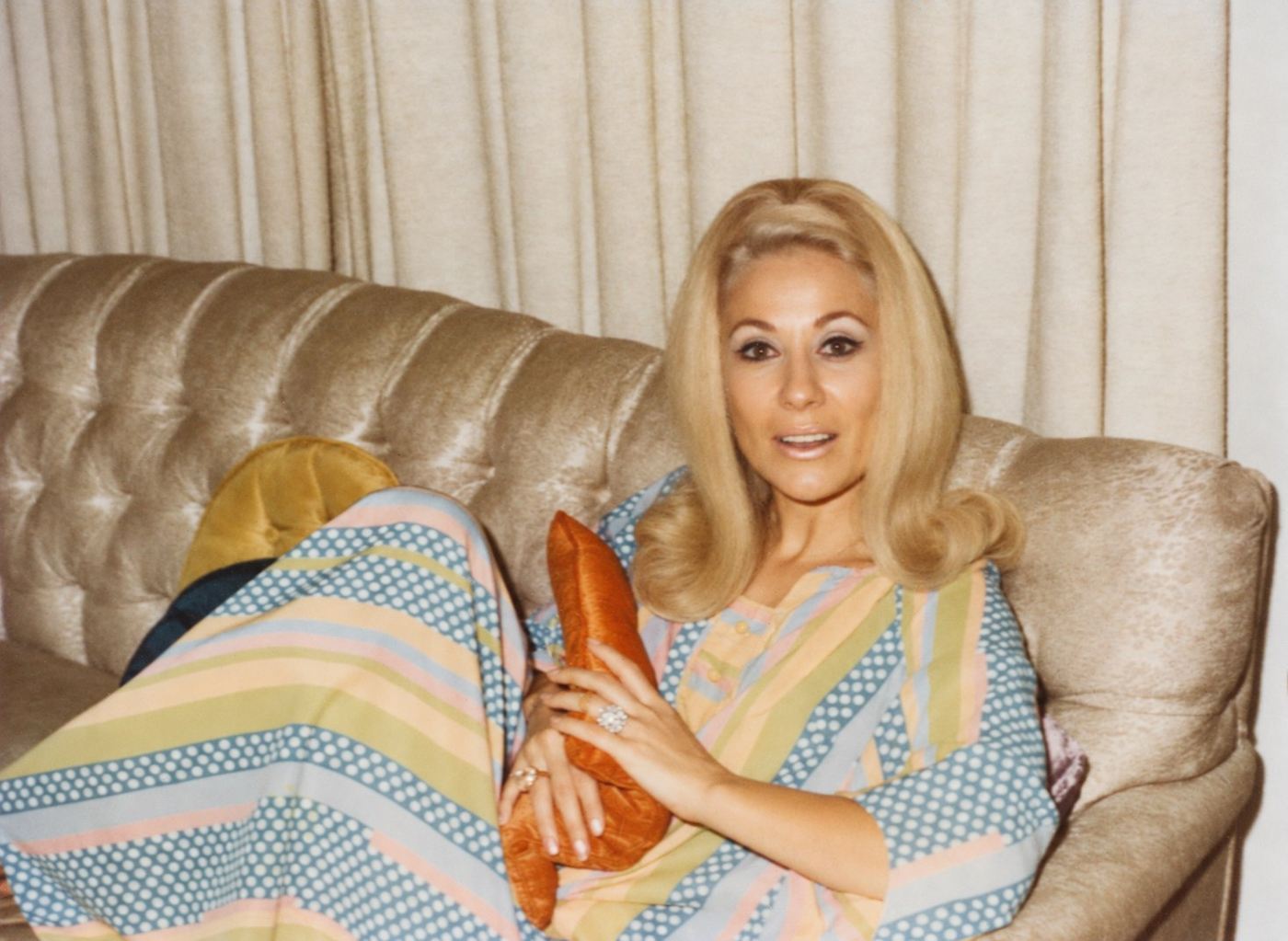
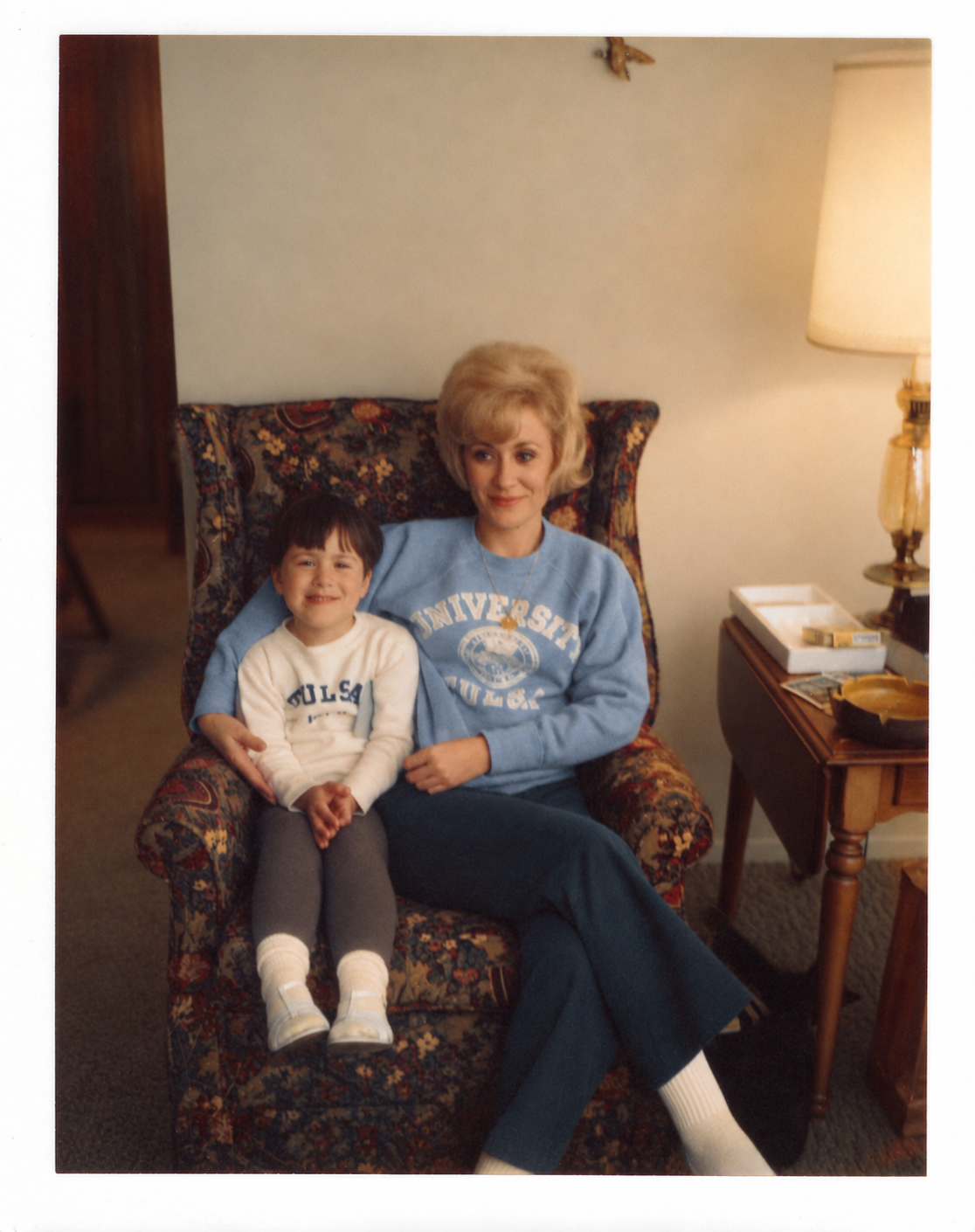
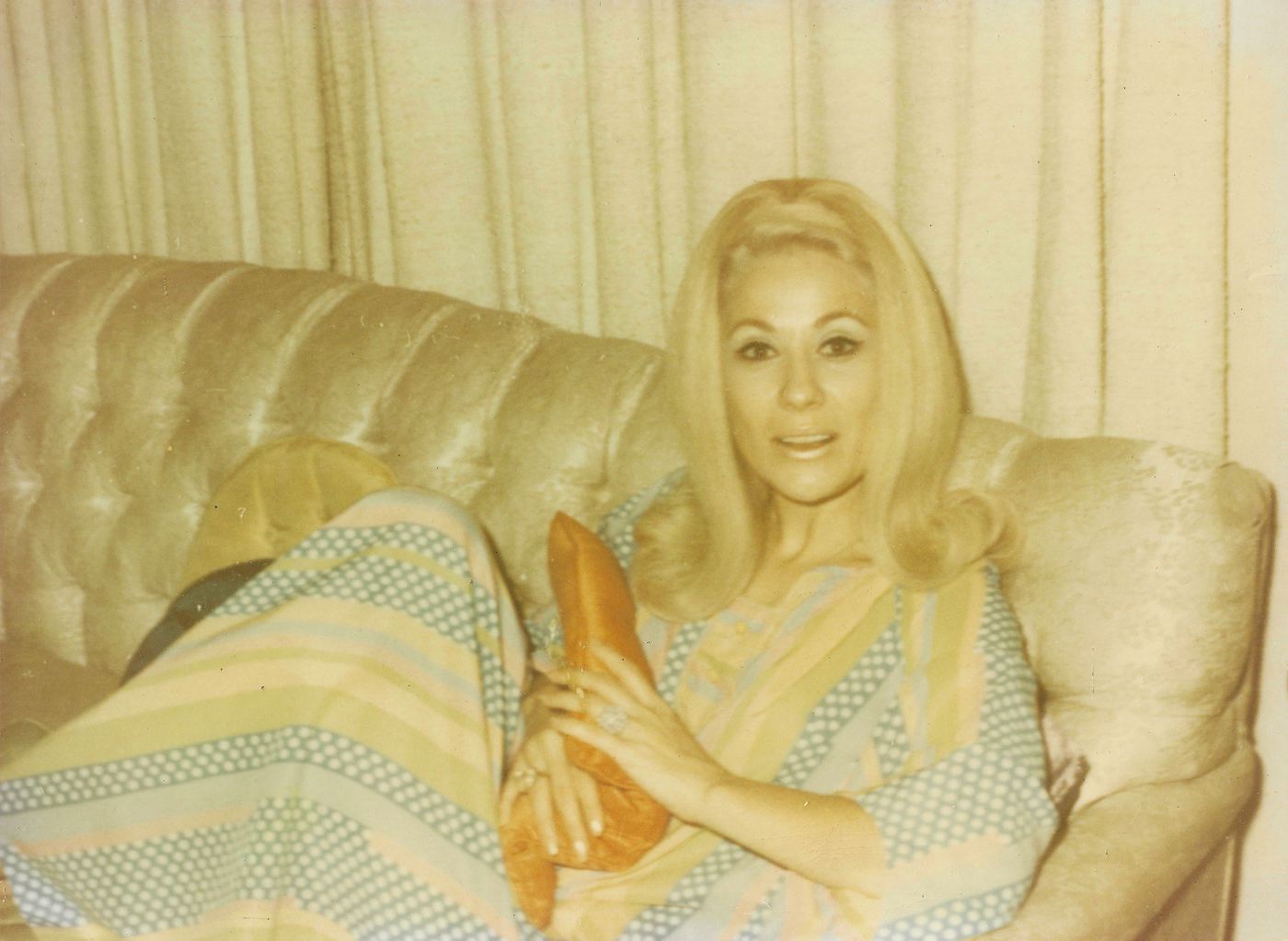
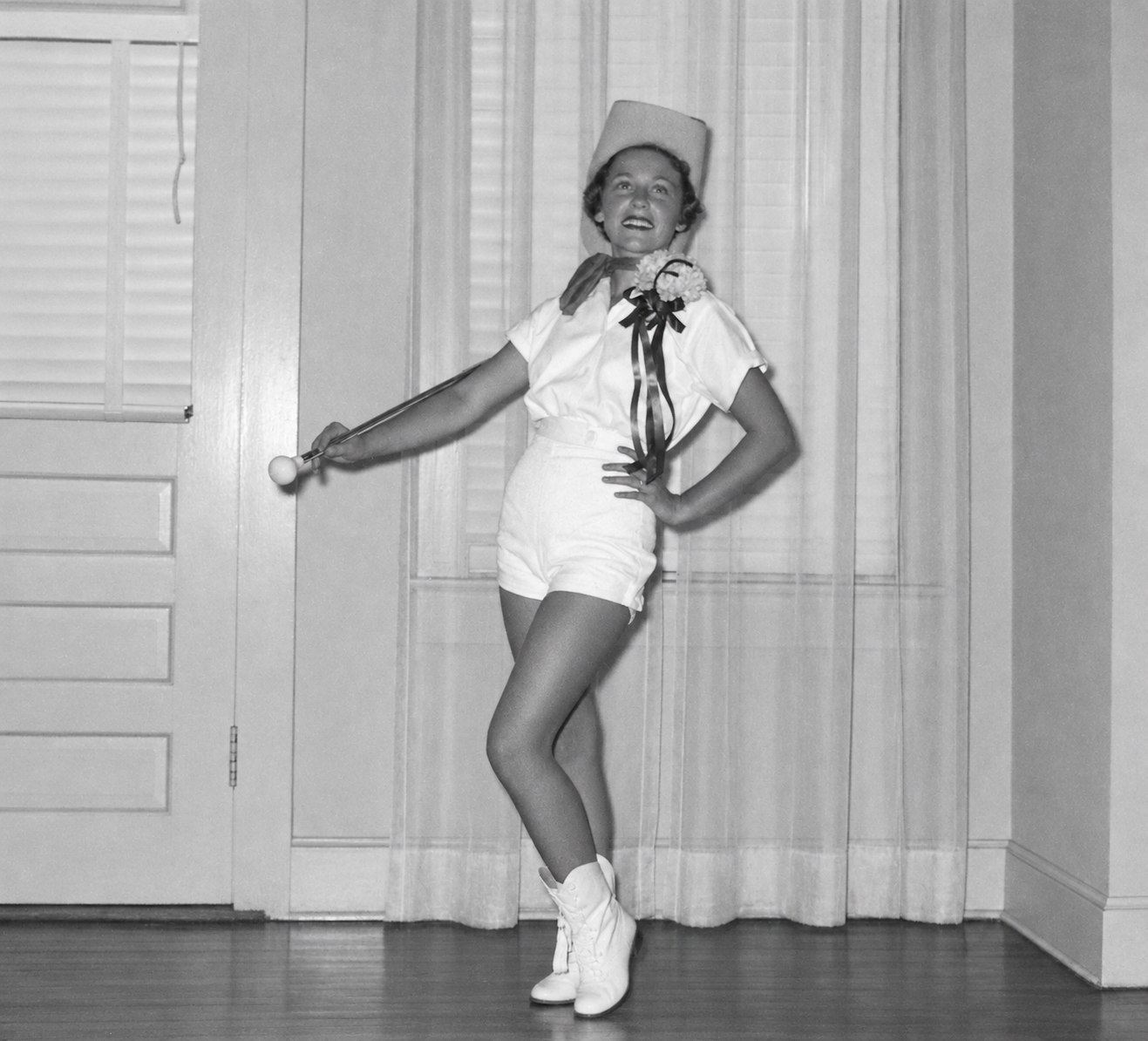
I have spent so much time looking at her face. This paper lets me encounter her mind. That is a different kind of restoration—and perhaps the more important one.