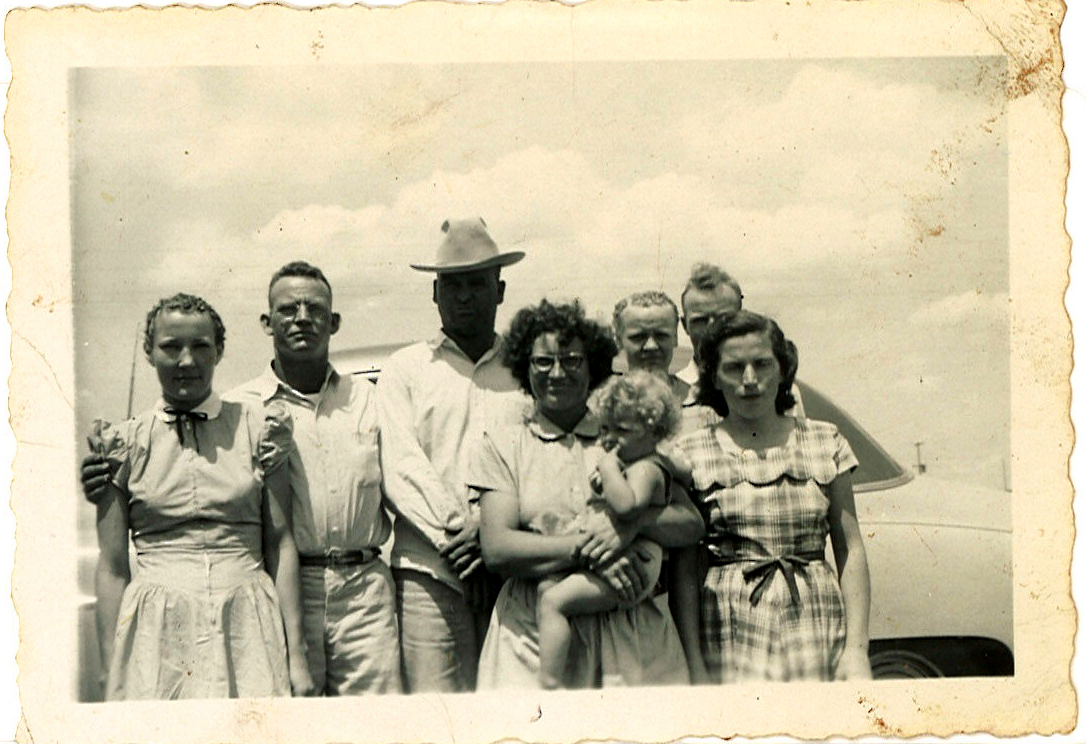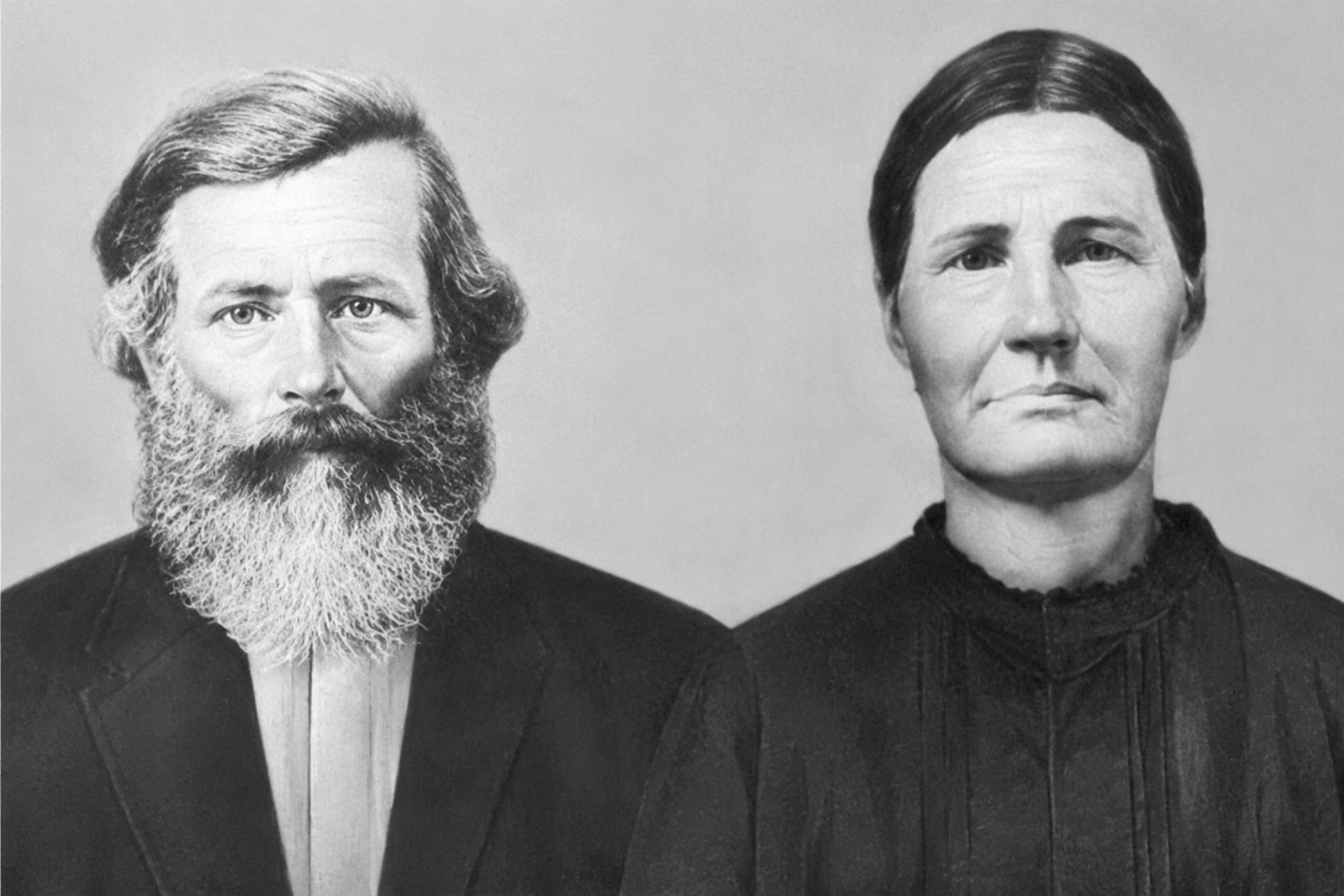
Highway 6 has become one of my family’s longer sentences.
It rises through the Brazos country from Fort Bend County and points toward the West Texas places where later generations lived, farmed, attended school and left photographs without captions. The modern highway is not the path my ancestors literally followed turn by turn, but it shadows the geography of their migration closely enough that driving it feels like moving through a family index.
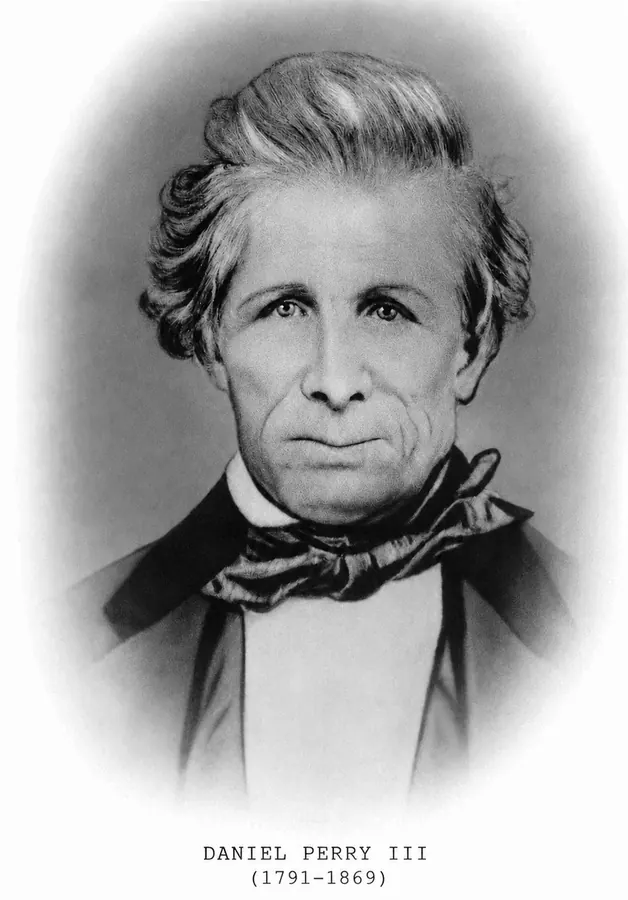
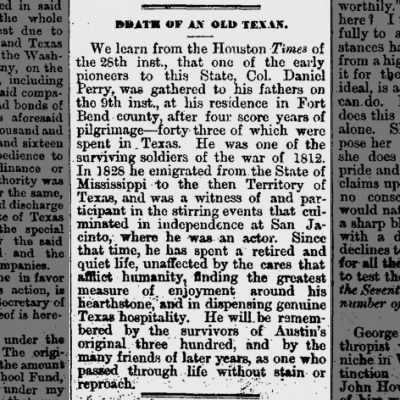
My fourth-great-grandparents James Whitehead Perry and Sarah Ann Courtney Perry married in Burleson County in 1857. James was the son of my fifth-great-grandparents Daniel Perry III and Eliza Whitehead Perry, the Fort Bend County couple at the head of the proved Texas line. James and Sarah raised children in the Brazos world before the family continued west through later generations.
Life along the Brazos was shaped by water, land, weather, ferries, crops and the legal paper that determined who owned what. A river could make a farm productive and a crossing uncertain in the same afternoon. Families followed opportunity, kinship and available ground; records accumulated in courthouses that did not necessarily remain convenient to the people who created them.
The trouble with an index is that it tells you where to look, not what happened. For that, I need libraries: county histories, census pages, newspapers, maps, land records and the local collections assembled by people who understood that ordinary lives deserved a finding aid.
In a city, a library is one institution among many. In a small town, it may also be the internet provider, job center, homework desk, cooling station, local archive and only public place where nobody expects you to buy something. For a family researcher, it is where a migration stops being an arrow and becomes a sequence of human decisions.
My family moved through the Brazos country and west across Texas. The records stayed scattered behind them. The lesson is simple: roads explain where people could go, but libraries preserve enough of the evidence to ask why they went. The library is where the road begins to speak.
A highway carries a family forward. A library lets the next generation find the way back.